The most striking turn in 2026 sees a beloved Hallmark actor headlining a faith‑heavy independent film on the very day a former pastor and Idol contestant is sentenced to a life term for murder.
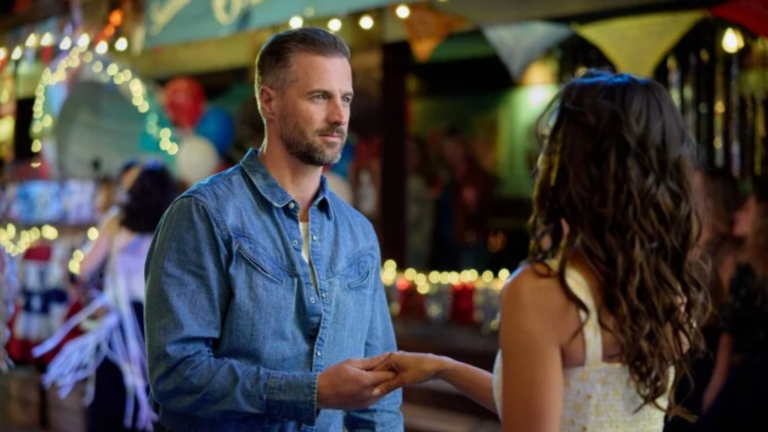
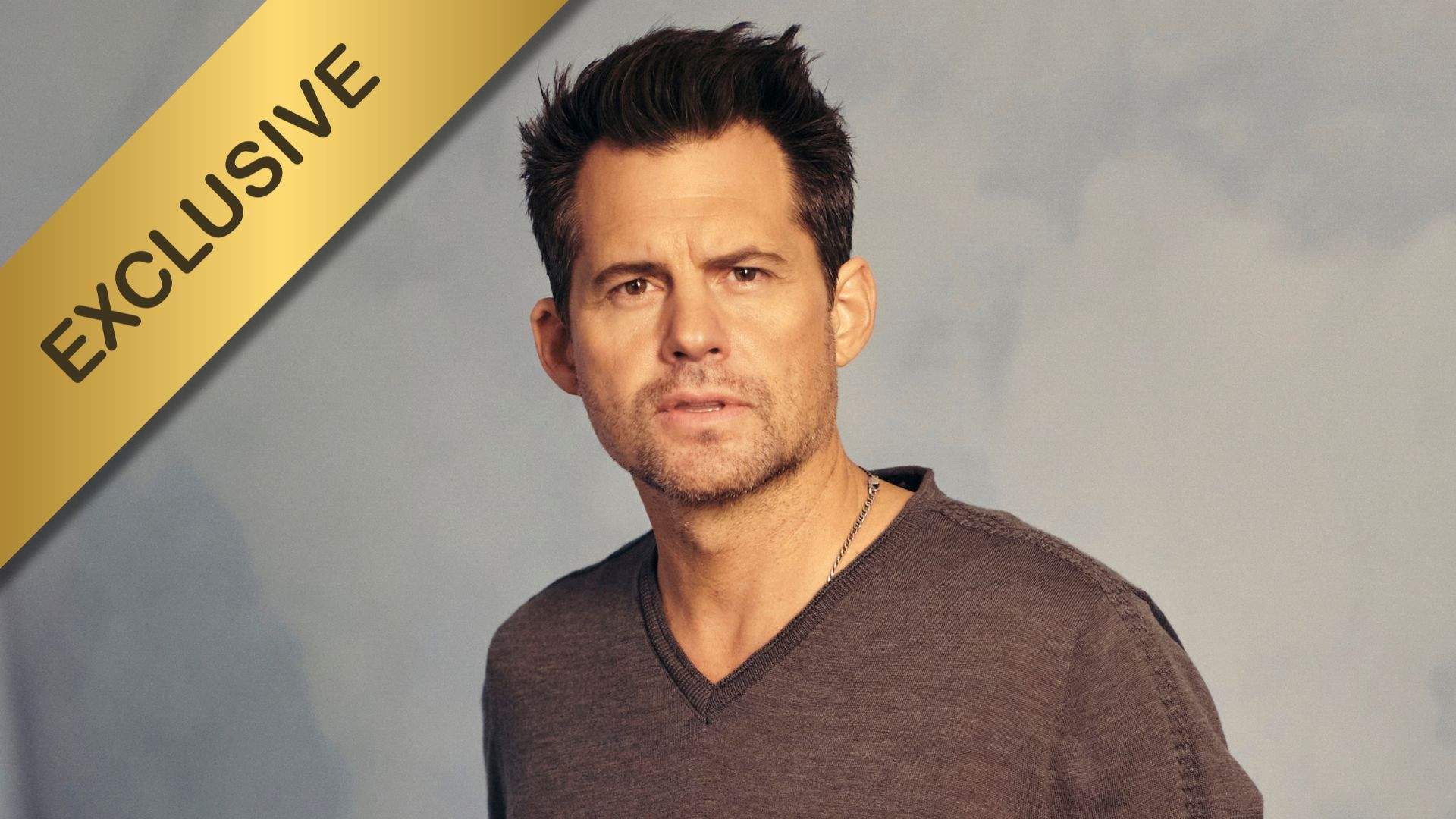
Kristoffer Polaha, known for his warm roles in family‑friendly productions, will have his latest feature “The Space Between Us” released through Angel Studios on October 8. The story follows a seemingly perfect couple unraveling when the wife’s affair with a young soldier threatens to destroy their marriage. Polaha has repeatedly described his choice of projects as “gritty faith films,” insisting that they explore the messy reality of belief rather than preaching a moral. The release comes amid a busy schedule that also includes the MGM+ series “American Hostage” and a forthcoming Hallmark Christmas movie, “Mistletoe & Mimosas,” slated for November 15.
A few days earlier, the former pastor Caleb Flynn entered the Ohio state prison system after a courtroom verdict that found him guilty of shooting his wife, Ashley, inside their Tipp City home. The case had drawn national attention because of Flynn’s past as a local preacher and his brief stint on “American Idol.” At 45, Flynn has been booked at the Correctional Reception Center in Orient, Ohio, and is now serving a life sentence with no possibility of parole. His defense has continued to assert his innocence, filing an appeal on the same day he was transferred to prison. The decision has sparked a flurry of public reaction, from calls for maximum punishment to intense debate over the nature of faith and justice.
Background & Context
Kristoffer Polaha’s journey into faith‑driven storytelling began long before his breakthrough on “The Office.” A graduate of the Tisch School of the Arts, Polaha first found fame portraying a lovable but often flawed character in the 2007 sitcom. Over the years, he broadened his repertoire, taking roles in period dramas, crime thrillers, and family films. Yet, Polaha has always maintained a deep personal commitment to his Christian faith, which he says drives his selection of projects.
Polaha first ventured into faith‑based cinema with the 2014 independent film “Where Hope Grows,” a low‑budget drama about a community healing after tragedy. By 2023, he had expanded his repertoire with “The Shift,” another indie that examined a family’s struggle with faith amid health crises. In both films, Polaha emphasized realistic character arcs over didactic messaging, striving to show audiences that redemption can emerge even when people make mistakes. “The Space Between Us” is the culmination of that approach—a story set in contemporary America that examines the breakdown of marriage, the temptation of infidelity, and the possibility of forgiveness.
Meanwhile, Caleb Flynn’s life took a dramatic turn after a public fall from grace. A former pastor of a modest Ohio church, Flynn earned a brief moment in the national spotlight as a contestant on “American Idol” in 2016. He leveraged that exposure into a series of motivational speaking engagements, but his religious influence was always intertwined with his personal relationships. Flynn’s marriage to Ashley had been under strain for months, with reports of marital counseling and financial pressures. On a summer evening in 2024, a shooting inside their home sparked a legal inquiry that revealed forensic evidence linking Flynn to the firearm used in the murder. The court ultimately found him guilty, citing a pattern of domestic violence and a history of controlling behavior.
The juxtaposition of Polaha’s religious filmmaking and Flynn’s legal conviction is striking. Where Polaha uses the camera to illuminate faith in everyday struggles, Flynn’s actions have been scrutinized as a betrayal of the moral principles he once preached. Both stories unfolded against the backdrop of contemporary conversations about faith, accountability, and redemption.
What People Are Saying
Polaha’s upcoming premiere has drawn a warm reception from his longtime fan base, many of whom consider his work as an anchor of wholesome entertainment. “He’s always been one of the most sincere actors,” said a longtime fan, who watched Polaha’s debut series in 2005. “I’m excited to see how he handles a more serious, faith‑oriented role.” Industry insiders note that Polaha’s choice of the Angel Studios platform reflects a shift among faith‑based filmmakers toward digital distribution, allowing a more targeted audience reach than traditional theatrical releases.
Within the faith community, Polaha has received praise for staying true to his personal convictions while collaborating with a diverse crew. “He wants to portray the complexity of human behavior,” explained a producer who worked on “The Space Between Us.” “He isn’t looking to paint people black or white; he wants to show that everyone can find grace.” His statements about studying world religions—including Shintoism, Buddhism, and others—have sparked discussion about the role of comparative theology in contemporary cinema.
The reaction to Caleb Flynn’s conviction, however, has been starkly different. In social media circles, many condemned his actions as a profound betrayal of religious vows. “His conviction is a reminder that faith can be a double‑edged sword,” wrote a former congregant who had known Flynn for years. “He preached about love and forgiveness, yet he took a life.” In contrast, a segment of the public argued for the necessity of mercy and rehabilitation. “People can change,” said a commentator on a local talk show, referencing Flynn’s past community service. Flynn’s legal team continues to press the appeal, asserting procedural errors and insufficient evidence. The case has become a touchstone for debates around domestic violence, the efficacy of religious counseling, and the intersection of faith and justice.
What Happens Next
Polaha’s “The Space Between Us” will be available on Angel Studios starting October 8, with the film scheduled for a broader theatrical release in select markets three months later. The actor is slated to travel to a handful of fan conventions in early November, where he will discuss his role and the challenges of balancing faith and entertainment. The Hallmark film “Mistletoe & Mimosas,” slated for November 15, will likely benefit from the momentum Polaha is building; the studio has announced an expanded marketing push that includes a series of holiday specials featuring the cast.
Flynn’s legal situation remains unresolved, but the immediate next steps involve his appeal process. The Ohio appellate court is set to review the case in late November, with a scheduled hearing in December. Meanwhile, Flynn’s parole board will determine the timing of any future review, but under current statutes, a life sentence carries no possibility of parole. His family has begun the process of applying for post‑release support services for his daughters, who have been in the spotlight throughout the proceedings. Community leaders are calling for enhanced domestic violence resources, citing Flynn’s case as a tragic example of the need for better prevention.
Both men’s trajectories will be closely watched. Polaha’s willingness to tackle faith‑heavy narratives may signal a new era for independent faith cinema, while Flynn’s case may influence policy discussions about the intersection of religious leadership and legal accountability. As the calendar turns toward winter, audiences will be prompted to reflect on the complexity of belief—whether on screen or in life—and the potential for both redemption and punishment to coexist in contemporary culture.
The Bottom Line
In a world where storytelling often leans toward comforting platitudes, Kristoffer Polaha’s decision to tackle a raw, faith‑heavy narrative on Angel Studios signals a refreshing shift toward authenticity. By refusing to preach from the screen, he invites viewers into a space where belief is interrogated, not merely affirmed. At the same time, the tragic life sentence of former pastor Caleb Flynn reminds us that faith’s influence can be double‑edged, capable of both guiding and devastating. MyWorldPulse believes that these parallel stories are not merely entertainment or legal drama—they are cultural touchstones. They force us to question whether redemption is a narrative device or a real possibility, and whether the entertainment industry has a responsibility to depict it responsibly. This convergence of media and morality should encourage creators to craft stories that are as complex and multifaceted as the people they portray. Only by embracing nuance can the industry truly resonate with audiences who crave depth over dogma.
Reference:
- Kristoffer Polaha’s official Instagram post announcing 'The Space Between Us'
- Caleb Flynn’s court record on the Ohio State Courts website
Read more celebrity news at MyWorldPulse.