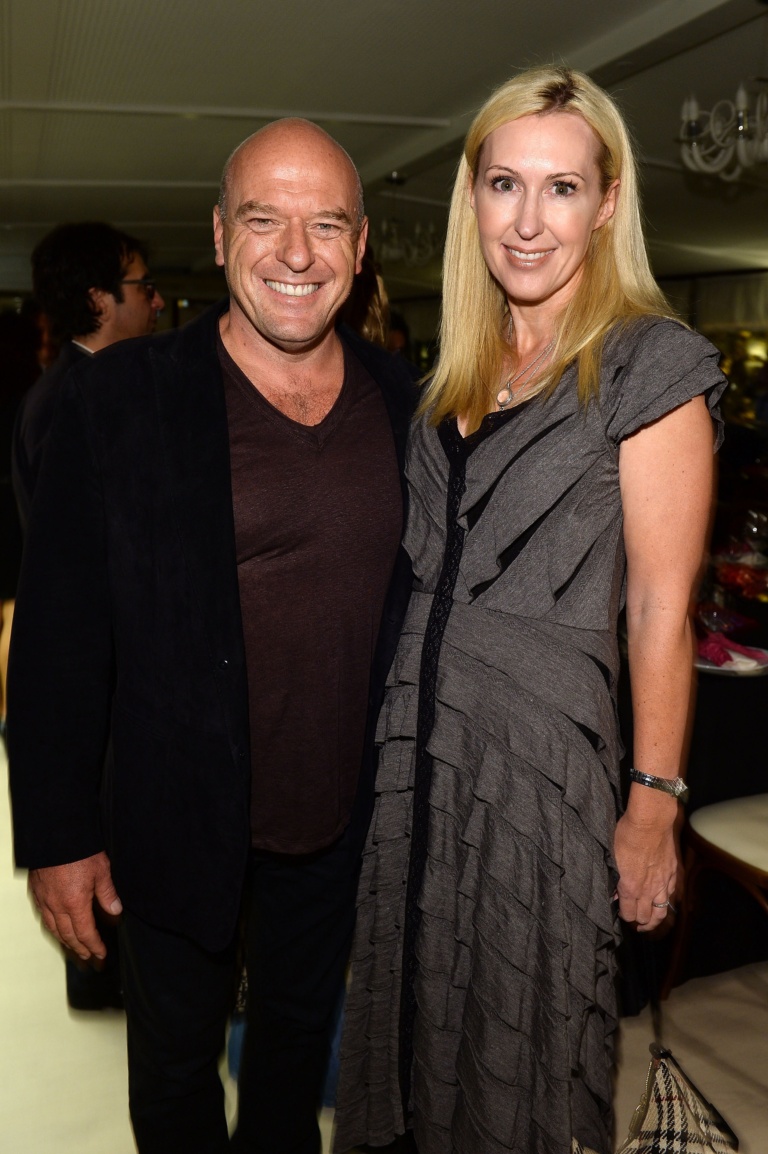
Will Friedle, the 50‑year‑old “Boy Meets World” star who still keeps his former co‑stars close on the “Pod Meets World” podcast, opened up last week about a sudden health scare that landed him in a hospital overnight. He woke up one Saturday with blood streaked in his urine, a sign that something in his body had gone wrong. “I woke up badly peeing blood,” Friedle said, and the rest of the day became a frantic rush through the hospital halls.
Just a few miles away, in the heart of Palm Bay, Florida, another tragedy unfolded that left an entire community in shock. Bellamy Dawkins‑Morris, a bright‑eyed five‑year‑old from Riviera Elementary, was crushed to death when a large video display board slipped from its mounting and plummeted onto him. The incident occurred just before noon, and emergency crews rushed the boy to a nearby hospital, where he did not survive.
Both events, though seemingly unrelated, highlight how quickly ordinary lives can be turned upside down by unforeseen forces—whether it’s a painful kidney stone or a falling piece of equipment in a school.
Background & Context
Will Friedle’s experience began with an unexpected, sharp pain in his lower back and a sudden rush of blood in his urine. The actor recalled, “You just think you’re going to the bathroom and then you’re like, ‘Oh my God, something inside me is horribly broken.’” After he left the bathroom, the severity of his symptoms forced him to a hospital, where a CT scan confirmed the presence of kidney stones. The diagnosis came as a shock to Friedle, who had never endured such a medical crisis before. He described the hospital stay as surprisingly swift: “I was in the hallway on a gurney for a room, and it didn’t take as long as I’d assumed.” Even the nurses’ reactions felt oddly personal; one, recognizing the urgency, asked him about his copay and even teased, “Feenay. Fee‑hee‑nay.” Friedle declined the prescription of OxyContin, citing the “horror stories” he’d heard about opioid dependence.
In the Florida tragedy, Bellamy was an ordinary child in a typical elementary school setting. The incident occurred at Riviera Elementary, a school located about 175 miles north of Miami. Early reports indicate that the video display board, used for classroom presentations, had been “moving back and forth” before it tipped over. Deputy Chief Nick Szczepanski of the Palm Bay Police Department confirmed that the board fell before the boy was able to react. “On the surface, this appears to be a tragic accident,” Szczepanski told reporters, while investigators from the special victims unit and the major case unit began a closer look. The board’s sudden descent and the lack of immediate safety measures behind it have raised questions about school equipment protocols and supervisory practices.
The two narratives share a thread of unanticipated danger. Friedle’s kidney stone was an internal threat that required emergency medical attention, while Bellamy’s death was an external mishap that highlighted potential lapses in safety oversight. Both incidents underline the fragility of life and the need for preparedness—whether that means understanding one’s own health or ensuring that school environments are meticulously maintained.
What People Are Saying
Friedle’s candid revelation quickly drew a wave of support from fans and former co‑stars. Danielle Fishel and Rider Strong, who appeared on “Pod Meets World,” offered comforting messages, while followers flooded social media with well‑wishes. Many viewers praised Friedle for his vulnerability, noting that his openness about anxiety and health could help others feel less alone. The actor himself had previously spoken about his long‑standing anxiety, saying, “I never tell people you get over it because you never do, but you learn to cope with it.” His honesty resonated with an audience that has grown accustomed to seeing the “real” side of celebrities.
Meanwhile, the Palm Bay community has been reeling from Bellamy’s loss. The school’s superintendent, Dr. Mark Rendell, publicly acknowledged the grief, describing the day as “incredibly difficult” and calling the loss “a precious young life.” Bellamy’s great‑aunt, Miriam Rodriguez, voiced anger at the lack of answers, demanding immediate explanations from the school and the authorities. “We need answers, and we need them immediately,” Rodriguez said, underscoring the emotional toll families endure. First responders and hospital staff were also lauded for their swift action, yet many parents and students expressed a lingering fear that could not be soothed by praise alone.
Both stories sparked conversations on the importance of medical preparedness and workplace safety. Some commenters urged schools to re‑examine the mounting of equipment, while others called for stricter opioid regulations and better patient education. The dual narratives served as a reminder that health and safety are not isolated concerns—they are intertwined threads that support the wellbeing of individuals and communities alike.
What Happens Next
In the wake of his diagnosis, Friedle has announced he will abstain from opioid pain medication. He plans to follow a pain management plan that avoids OxyContin, emphasizing his desire to stay clear of the “horror stories” associated with opioids. The actor’s move is a personal health decision but also a statement to fans about making informed choices. He continues to advocate for mental health support, building on his earlier discussions of anxiety, and intends to keep the conversation open on his podcast and social media platforms.
For the Riviera Elementary incident, the Palm Bay Police Department has broadened its investigation. Investigators from the special victims unit, major case unit, and crime scene personnel are scrutinizing why the display board fell and whether safety protocols were followed. The school district has announced an independent review of all equipment and mounting practices, with a promise to implement stricter safety measures moving forward. Parents, students, and staff have called for transparent updates as the investigation proceeds. In the meantime, the community is rallying together—organizing vigils for Bellamy, setting up support funds for his family, and demanding accountability from school officials.
Both sides of the story reflect the community’s desire for safety and healing. Will Friedle’s health battle has prompted him to take proactive steps, while the school’s loss has triggered a push for improved equipment standards. The ripple effect will likely influence policy discussions about student safety and medical care for high‑risk patients.
In the end, these two events remind us that life can turn on a single moment—whether a stone breaks free inside our bodies or a board falls from the sky. They call for vigilance, compassion, and a commitment to learning from each loss, turning grief into action that protects all of us moving forward.
The Bottom Line
—MyWorldPulse Editorial
We are reminded that the line between personal health and public safety is thin. Will Friedle’s choice to refuse opioids and openly discuss his ordeal signals a broader shift toward informed, responsible wellness—an approach that should echo in every healthcare setting. The loss of Bellamy Dawkins‑Morris forces schools to confront complacency; every piece of equipment, every mounting structure must be vetted for safety, not merely compliance. The duality of these stories demonstrates that safeguarding lives demands both individual agency and systemic accountability. As consumers of entertainment news, we should champion narratives that elevate responsibility over spectacle, encouraging both celebrities and institutions to lead by example. Only through collective vigilance can we hope to prevent such preventable tragedies.
Reference:
- Will Friedle’s Instagram Post
Read more celebrity news at MyWorldPulse.