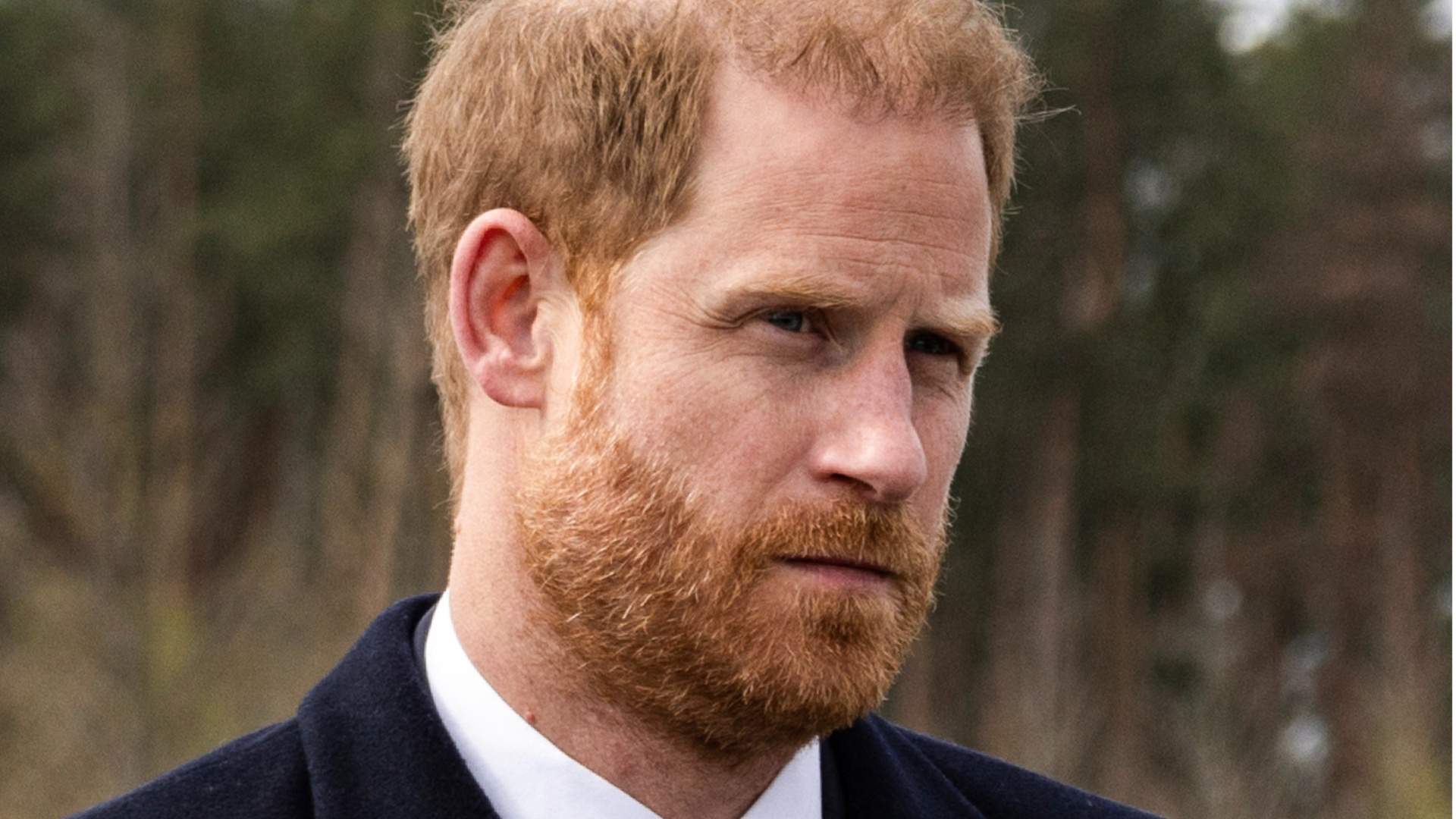
In a quietly intimate MasterClass session with neuroscientist Dr. Mary‑Frances O’Connor, Prince Harry revealed that the move to Canada in 2019 set off an unexpected plunge into depression that lasted roughly two weeks. The Duke, who had long sought to escape the relentless scrutiny of the British press, admitted that the sudden absence of stress actually left his body in a state of adrenaline crash, leaving him feeling “useless around the house.”
The story is as much about the weight of grief as it is about the search for relief. Years after the death of his mother, Princess Diana, Harry has wrestled with a pervasive sense of emotional numbness. In a candid moment, he described how living a life that felt joyous or carefree felt almost a betrayal of the grief he believed should persist forever. The Duke’s journey from royal responsibilities to a quiet Canadian life, then to the United States, and most recently back to the United Kingdom, underscores the complex interplay between external expectations and internal healing.
While the public eye has always been focused on the Duke’s high‑profile engagements, this conversation marked the first time he has openly detailed the mental toll of his “Megxit.” The episode offers a rare glimpse into the emotional reality that has accompanied his public narrative, and it hints at a deeper need for support that extends beyond the glamorous façade of the monarchy.
Background & Context
Harry’s departure from the United Kingdom in 2019, along with Meghan Markle and their son Archie, was framed as a search for privacy and space. The couple announced that they would be settling in Canada, ostensibly to escape the press‑heavy environment that had become untenable. Yet the relief that followed was fleeting. According to the Duke, the adrenaline surge that had kept him alert during his royal duties abruptly vanished upon arrival in Canada. Within a few days, the sudden drop in stress left him in a “crash” that made him feel empty and functionally impaired.
His experience is compounded by the memory of his mother’s death, which has haunted him for decades. After attending Princess Diana’s funeral, he was said to have gone almost twenty years without shedding another tear, a silence that has been described as a sign of emotional numbness. He has attributed much of his difficulty coping with grief to the pressure to appear resilient as a public figure. In the context of his military service, he used deployment to Afghanistan twice in his twenties as a means of escaping the pain, a pattern he later recognized as a distraction rather than a cure.
The MasterClass discussion also touched on Harry’s early career in the Royal Navy and the stress that came with public duties. He explained that routine tasks—such as choosing a shirt—could trigger panic, and that he often felt physically overwhelmed by the expectation to maintain a polished image. This background sets the stage for his later revelations about how the absence of that external pressure was both a relief and a trigger for depression.
What People Are Saying
Reactions to Harry’s openness have been mixed, reflecting a broader conversation about mental health in high‑profile settings. Some supporters applaud the Duke for breaking the silence around depression, noting that his candidness could help others feel less isolated. They point to the therapeutic techniques he mentioned, such as using his mother’s perfume as a sensory reminder of comfort, as simple yet powerful tools for coping with grief.
Critics, however, argue that the conversation still skirts around deeper systemic issues. By focusing largely on personal coping mechanisms, the discussion has been seen by some as an individual narrative rather than a call for institutional support for mental health in royal and public service contexts. There is a sense that the narrative misses an opportunity to critique the environment that cultivated such intense pressure in the first place.
Media commentators have also reflected on how the Duke’s admission dovetails with his broader public brand shift. Having moved from a traditional royal role to a more media‑savvy persona—through podcasting, social media, and public speaking—Harry’s disclosure aligns with a pattern of sharing personal struggles to foster connection with a younger audience. The response underscores an emerging expectation that public figures should not only entertain but also serve as honest role models for navigating emotional challenges.
What Happens Next
Looking forward, Harry’s return to the United Kingdom is already a tangible sign of his desire to re‑anchor himself in his homeland. The Duke and Meghan announced their return last month, and they are believed to be residing in the Cotswolds, a location that offers a quieter, more intimate environment than the bustling centers of royal life. Their presence in the UK also allows the Duke to be closer to his father, King Charles III, and to his extended family.
The implications for Harry’s mental health journey remain open. While the MasterClass provided a public platform for his story, there is no public record of new therapeutic interventions beyond the brief mention of earlier counseling. The conversation has, however, sparked interest in the broader support structures available to those who have served in public or military roles and have faced the compounded stressors of grief and public scrutiny.
Meanwhile, Harry’s ongoing media ventures—his podcast, his book, and his participation in high‑profile events—continue to shape his public persona. How he balances these responsibilities with his personal well‑being will likely be a focal point for observers and supporters alike. The narrative is still unfolding, but the Duke’s willingness to speak about depression, adrenaline crashes, and grief marks a significant moment in the broader dialogue about mental health for those who live lives under intense public gaze.
In the quiet aftermath of the revelation, the world watches to see how Prince Harry’s personal path forward will influence perceptions of mental health, grief, and the possibility of healing, both within and beyond the royal family.
The Bottom Line
MyWorldPulse.com sees Prince Harry’s candid admission as a critical step toward normalizing mental‑health dialogue among public figures. While the personal details he shared are undoubtedly compelling, the real significance lies in the broader cultural conversation it sparks. By stepping out of the royal veil, Harry challenges a centuries‑old narrative that equates dignity with silence. This move aligns with a rising trend where influencers and celebrities use their platforms to advocate for psychological well‑being. Yet, there is a risk that this narrative becomes a performative gesture rather than a genuine call for systemic change. Our stance is that the real test will be whether institutions—be they the monarchy, the media, or the military—will translate this personal testimony into tangible support structures. Until then, we remain hopeful but critical, urging that mental‑health advocacy goes beyond anecdotes and becomes embedded in policy and practice. Signed, The MyWorldPulse.com Editorial Team
Reference:
- Official post on Prince Harry's verified Instagram account
Read more celebrity news at MyWorldPulse.