A new press secretary’s ascent to the Oval Office snapped into place only to dissolve when the truth about a bar exam she never passed came to light.
The story began in the early hours of October 9, when President Donald Trump, a man who has repeatedly turned his own words into political capital, named Katie Zacharia as the White House Press Secretary. The announcement was broadcast to a nation already weary of brief, chaotic appointments. Zacharia, a former Fox News commentator who had been a frequent guest on conservative television, carried a law degree and had long claimed to be a practicing attorney. In a tweet from the president’s office, Trump referred to her as an “attorney,” bolstering her credibility in the public eye.
Within a week, the façade collapsed. On October 16, the White House released a statement that Zacharia had been relieved of her duties. No grand apology, no elaborate explanation—just a short, factual notice. The speed of the departure, the lack of detail, and the stark contrast to the lofty language used at her appointment made it clear that something had gone wrong behind the scenes. The world was left to ask: what was the crux of this political fiasco?
Background & Context
Zacharia’s legal credentials seemed solid on the surface. She earned a Juris Doctor from an accredited U.S. institution, worked in a Washington law firm, and had appeared on legal panels for several years. However, the crucial requirement for an attorney’s practice in the United States is passing the bar exam in the jurisdiction where one intends to counsel. Zacharia never sat for, let alone passed, the California bar exam—nor did she pass any other state exam. In interviews prior to her appointment, she would refer to herself as an attorney without specifying that her degree had not translated into a licensed practice.
The bar exam revelation was not merely a credential misstatement; it had tangible implications. In California, the State Bar enforces strict rules about the use of the title “attorney” and requires that individuals presenting themselves as lawyers be licensed in that jurisdiction. Campaign for Accountability, an organization that monitors the political and legal integrity of elected officials, filed a complaint with the California State Bar, prompting an inquiry into Zacharia’s claims. The complaint highlighted her repeated portrayal of herself as a legal professional on platforms such as Fox News and Newsmax, and it cited her own statement that “she has represented herself as a lawyer repeatedly to buttress her reputation and credibility as a television legal commentator and now as the White House spokesperson.” The timing of the complaint—just a week after her appointment—suggests that the bar exam issue was either known or discovered almost immediately.
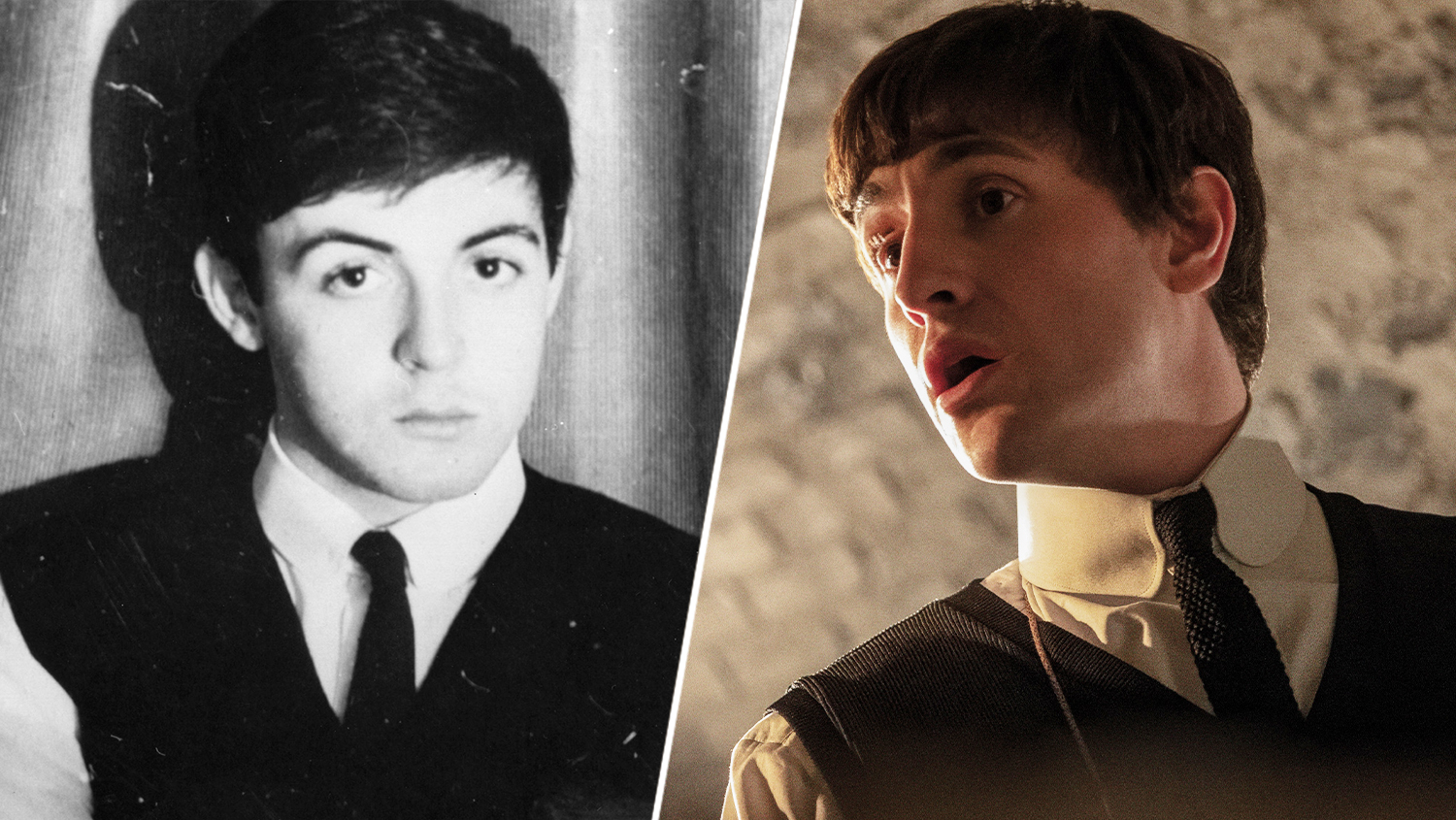
While Zacharia’s story dominated the headlines, the media ecosystem is full of other high‑profile incidents that underline how quickly reputations can shift based on seemingly small facts. For instance, Paul McCartney, one of the Beatles’ most iconic figures, recently voiced concern that Paul Mescal, cast as John Lennon in Sam Mendes’ forthcoming biopic, was “markedly shorter” than the actor’s co‑stars, prompting McCartney to reach out to Mendes. Though a minor detail in the grand scheme of a film’s casting, the scrutiny it attracted demonstrates how the public magnifies physical and professional differences. Similarly, Paul Bettany, famed for his role in The Martian, found himself entangled in a libel case when private text messages with Johnny Depp were read in court, casting Bettany in a light he had not agreed to. These incidents illustrate that, in the age of instant information, a single detail can precipitate a full‑blown controversy.
What People Are Saying
The reaction to Zacharia’s firing was swift and multifaceted. President Trump’s camp issued a terse statement: “We appreciate Katie’s service and wish her well in her future endeavors.” No further elaboration was offered, and the White House’s social media channels posted a single tweet announcing the change. The abruptness of the departure and the lack of detail left many observers puzzled.
Campaign for Accountability’s complaint was front‑and‑center in the subsequent days. The organization’s director wrote that Zacharia “has represented herself as a lawyer repeatedly to buttress her reputation and credibility,” and that this false representation had implications for the public’s trust in her statements as a spokesperson for the administration. The complaint also pointed out that she had, in the same period, used the title “attorney” when addressing audiences on conservative news networks. The State Bar of California confirmed that it had opened an investigation into her claims.
Social media buzzed with speculation and outrage. Twitter users pitted the story against the Trump administration’s past record of short‑lived press secretaries. “He had Anthony Scaramucci for ten days, now he’s got Katie for seven—this is the longest?” a meme‑poster quipped. Others echoed a sense of disbelief that a man who had once defended his own misrepresentations in public could allow a similar lapse in his administration. A handful of commentators pointed out that the bar exam failure, while not a criminal offense, raised questions about Zacharia’s suitability for the role of chief spokesperson for the presidency.
The broader public response echoed a pattern seen in prior controversies: a quick dismissal, followed by a flurry of comments that highlighted the fragility of public trust. While no formal statements were released by Zacharia herself after the announcement, she did post a brief tweet, in which she claimed, “When I moved to China.” The statement was ambiguous, but it offered a cryptic glimpse into her attempts to explain the misalignment between her credentials and her claims.
What Happens Next
The California State Bar’s investigation is the next logical step. If it determines that Zacharia misrepresented her qualifications, disciplinary action could range from a formal reprimand to the revocation of her law license, depending on the severity and the circumstances. The outcome will have implications for her future career, whether she wishes to return to broadcasting or pursue legal practice. The investigation’s timeline is uncertain, but state bars typically require several months to complete a full inquiry, especially when the allegations involve public statements and potential deception.
On the political front, the incident is likely to influence the Trump campaign’s future appointments. A short, opaque tenure such as Zacharia’s—lasting only a week—provides no precedent for stability or scrutiny. The administration’s credibility may be further dented by the perception that it prioritizes political loyalty over competence. Future candidates for the press secretary position may face more stringent background checks, particularly regarding claims of professional qualifications. It remains to be seen whether the White House will issue a more detailed statement about the process that led to Zacharia’s dismissal, or whether it will keep the explanation brief, as it has done so far.
Beyond the immediate fallout, the case serves as a cautionary tale for public figures who leverage their credentials as part of their brand. In a media landscape where information travels at lightning speed, a single unverified claim can unravel an entire career. Whether Zacharia can salvage her reputation remains uncertain, but the trajectory of the investigation will be watched closely by those who study the interplay of law, politics, and public perception.
In the end, Katie Zacharia’s brief brush with the White House will likely be remembered not for her policy positions but for the revelation that her professional credentials were, at best, exaggerated. The episode underscores a simple truth: in the world of high‑profile politics, the smallest detail can become the defining moment.
The Bottom Line
The rapid dismantling of Katie Zacharia’s short‑lived press secretary role reveals a troubling trend: the election and retention of political hires based more on partisan loyalty than on verified competence. In a political landscape that already prizes spectacle over substance, this scandal serves as a wake‑up call. Public officials must be held to the same standards of truth that apply to lawyers, journalists, and anyone who uses a professional title. The White House’s hasty appointment and swift dismissal of a candidate who had never sat for a bar exam demonstrates a systemic failure to scrutinize credentials adequately. For the industry, this is a reminder that authenticity is non‑negotiable; audiences are increasingly adept at spotting discrepancies, and any misstep can become a narrative that outlives the original story. Moving forward, administrations should prioritize rigorous background checks and transparent disclosures, while the media must persistently fact‑check public figures before they are granted a platform. Only by restoring accountability can we rebuild the fragile trust that underpins democratic discourse.
Reference:
- White House tweet announcing Katie Zacharia as Press Secretary
- Katie Zacharia's tweet about moving to China
Read more celebrity news at MyWorldPulse.