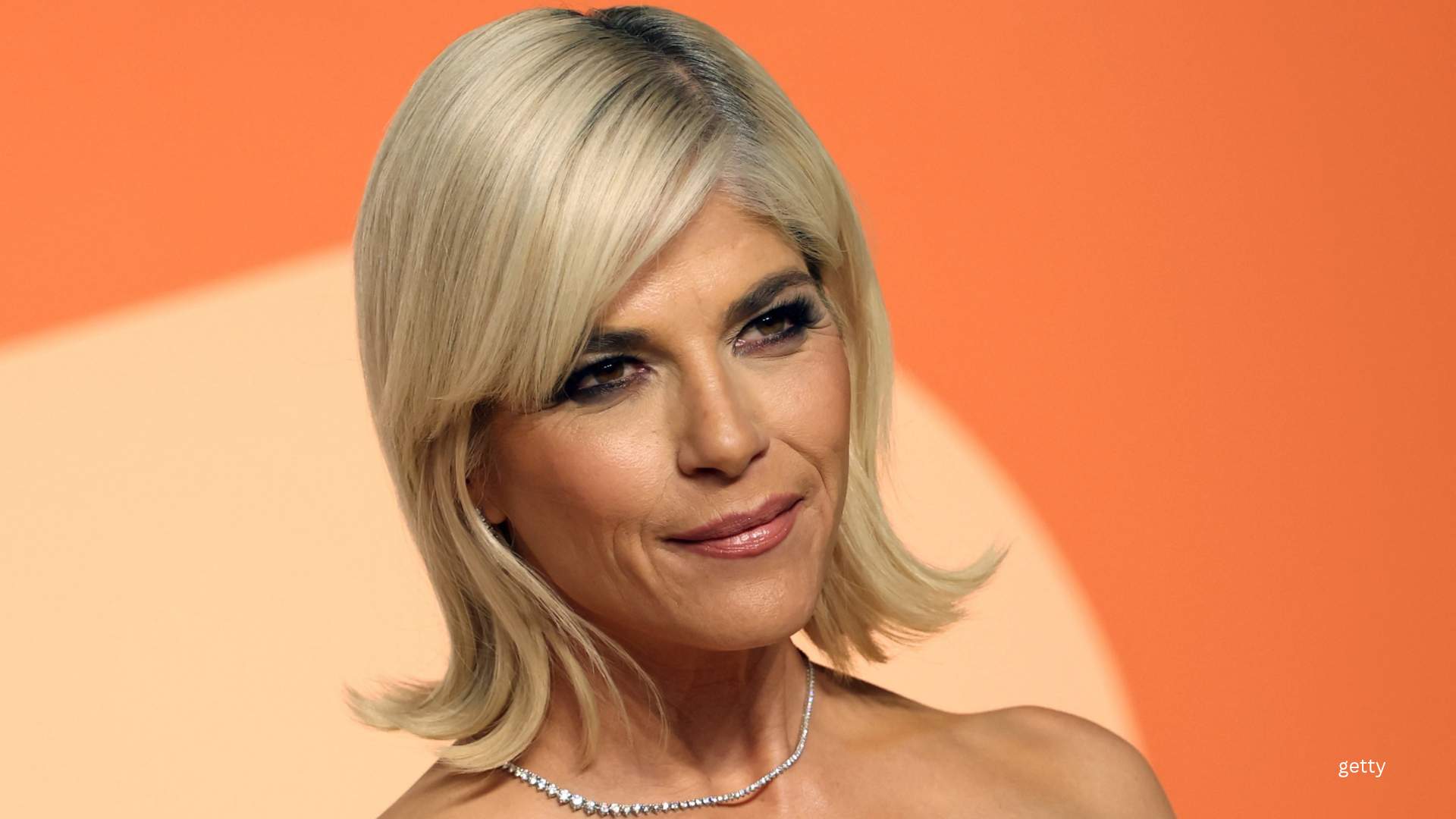
On the evening of October 11, Selma Blair—known worldwide for her role in Cruel Intentions—was taken into police custody on a Delta Air Lines flight bound for New York after a sudden medical crisis that escalated into an assault incident. The 54‑year‑old actress was later released on bail following her arrest on two counts of second‑degree assault.
The episode has sent ripples through Hollywood, spotlighting how performers with chronic illnesses navigate sudden health emergencies while on the road. Blair’s case arrives at a time when the entertainment industry is grappling with heightened scrutiny over mental health, disability advocacy, and the responsibilities of airlines toward passengers in distress.
Blair’s public narrative has already shifted from a celebrated film star to a figure caught in a legal storm, forcing the industry to confront the real‑world challenges that actors with disabilities face when their personal health intersects with professional commitments.
Background & Context
Prior to the Delta flight, Blair was en route from Los Angeles to New York for a series of scheduled appearances and filming commitments. She had just wrapped scenes for the independent comedy Schmoolie the Deathwatcher and was slated to begin shooting the upcoming action‑comedy Ethan Almighty later that month. In addition to her acting work, Blair had secured brand collaborations with lifestyle label MERSEA, skincare line ESK, and eyewear brand Benny’s Eyewear, underscoring her ongoing presence in the marketplace.
On the flight, reports indicate that Blair experienced a severe medical episode, reportedly linked to her long‑standing diagnosis of multiple sclerosis (MS) made public in 2018. She had missed her regular medication dosage prior to departure—a detail that her attorney cited in the wake of the incident. The neurological condition, accompanied by pseudobulbar affect—a secondary symptom of MS that can cause sudden, involuntary outbursts of emotion—has been a factor in how Blair’s body responds during acute distress. Moreover, she travels with a service dog named Scout, which was seized by authorities during the emergency, adding another layer of complexity to her situation.
Following the flight’s arrival, Blair was detained by law enforcement and hospitalized. The arrest, announced on Friday, involved two counts of second‑degree assault, and her legal team entered a not‑guilty plea. She was released on bail, pending further court proceedings.
What People Are Saying
In a statement released Friday, Blair’s representative clarified several points that had become the subject of public speculation. “Since Sunday night, the public account of what happened to Selma aboard a flight to New York has been built almost entirely on a police statement and a decade‑old headline,” the spokesperson said. “We can, however, correct the record on a few points already in public circulation. Selma Blair experienced a medical emergency on the flight. There was no attempt to open the door of the aircraft. Selma did not intend to harm anyone.”
The representative also refuted circulating rumors that Blair does not suffer from MS, describing such suggestions as “outrageous.” They emphasized the chronic nature of her illness and how it affects her daily life, underscoring that she has made remarkable strides in managing her condition. The statement further highlighted the role of her pseudobulbar affect and the necessity of her service dog, noting that the dog’s removal by authorities added to the distress of the episode.
Public reaction has been mixed. Supporters of Blair have rallied around her, citing her advocacy work for disability rights and her history of overcoming physical challenges. Many fans have shared videos of Blair’s appearance at the 90s Con in Hartford, where she interacted warmly with attendees, as a reminder of her resilience. Conversely, some commentators have expressed concerns over the alleged assault, arguing that the incident—whether provoked by her medical condition or not—raises questions about the adequacy of airline protocols for handling sudden health crises. The dialogue has intensified on social media, where hashtags related to “#SelmaBlair” and “#MSAwareness” have trended in the wake of the statement.
What Happens Next
Legally, Blair is set to face arraignment on Friday following her arraignment on the assault charges. Her attorney’s not‑guilty plea will carry the case into a potential trial, with the court expected to schedule hearings in the coming weeks. The outcome of the trial could have lasting implications for her career, depending on the court’s assessment of her intent and the influence of her medical condition.
Industry observers predict that, regardless of the legal verdict, Blair’s projects may experience delays. The productions of Schmoolie the Deathwatcher and Ethan Almighty are scheduled for the next few months, and any extended court proceedings could push her back from the set. Brand partners, particularly MERSEA, ESK, and Benny’s Eyewear, may reevaluate their contracts, balancing public sentiment with the company’s image considerations.
Beyond Blair’s personal trajectory, the incident may prompt broader changes within the entertainment sector. Airline safety protocols could be reviewed to better accommodate passengers with chronic illnesses, and studios may implement more robust support systems for performers dealing with health emergencies. The debate also touches on legal standards for assault in contexts where medical conditions contribute to violent acts, potentially influencing future court rulings in similar cases.
In Closing
Selma Blair’s Delta flight ordeal has thrust a long‑time advocate for disability rights into a legal and public relations crisis, testing the entertainment industry’s capacity to manage sudden health emergencies on the road. As the legal process unfolds and the industry weighs the implications for future productions and brand partnerships, Blair’s next steps will likely reshape her career and serve as a touchstone for how Hollywood supports—or fails—its performers who confront serious medical challenges in the public eye.
The Bottom Line
Our view at MyWorldPulse is that Selma Blair’s Delta flight crisis is a wake‑up call for Hollywood and the airlines that transport its talent. The legal outcome should not be the sole measure of responsibility; the industry must evaluate whether its current protocols genuinely safeguard performers with chronic illnesses. Airlines, studios, and brand partners need to collaborate on comprehensive medical response plans, including on‑board medical kits, trained staff, and clear communication channels for passengers in distress. Moreover, contract clauses should protect talent from legal repercussions when health emergencies, not intentional misconduct, drive incidents. The audience expects transparency and empathy; ignoring these expectations risks eroding trust in an industry already under scrutiny for its handling of mental health and disability advocacy. It’s time for Hollywood to translate its public statements into concrete policy changes, ensuring that no actor, regardless of health status, has to choose between career commitments and medical emergencies. —MyWorldPulse Editorial
Reference:
- Official statement from Selma Blair's verified Twitter
Read more celebrity news at MyWorldPulse.