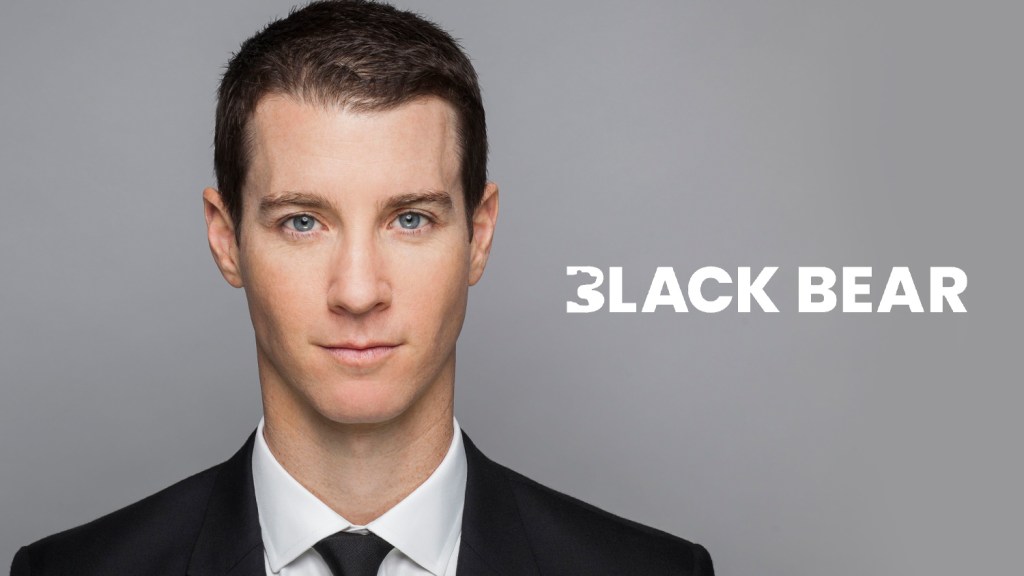
Benjamin Kramer’s abrupt resignation from Black Bear stunned insiders, sparking a wave of speculation about the fate of the fledgling U.S. distribution unit he helped launch. The 42‑year‑old executive, who had spent more than a decade building niche cinema catalogs, left the company in a single, terse announcement that read like a plot twist in a low‑budget thriller. In the few hours that followed, industry voices began to dissect the move, hinting that the departure could signal a larger realignment in the way independent films reach American audiences.
Kramer’s tenure at Black Bear had been marked by a steady rise through the ranks of smaller arthouse distributors, culminating in his role as chief content officer. When the company announced its new U.S. distribution arm in late 2023, it was framed as a bold attempt to carve out a niche in an increasingly crowded streaming marketplace. Kramer was front and center, leading a team that had already signed deals with a handful of up‑and‑coming directors and negotiating rights for a slate of 15 titles slated for a 2024 launch. The announcement came with a promise of fresh, culturally relevant storytelling that would stand apart from the mainstream offerings flooding cable and digital platforms alike.
Yet, within weeks of the launch, the unit’s trajectory began to shift. Sales figures were below projections, and a key distribution partner pulled its support after a lukewarm reception to the first release. Rumors of internal friction began to circulate, suggesting that Kramer’s vision for a boutique, artist‑centric approach clashed with the more commercial pressures of the parent company. The sudden resignation raised questions about whether the unit was ever truly intended to operate as an independent entity or merely a strategic placeholder within a larger conglomerate.
Background & Context
Black Bear entered the competitive U.S. market with a clear mission: to champion films that often slipped through the cracks of mainstream festivals. From its inception, the company positioned itself as a curator rather than a distributor, focusing on limited theatrical runs and selective streaming deals that emphasized artistic integrity over mass appeal. The new U.S. distribution arm, inaugurated in late 2023, was the company’s most ambitious project to date, aiming to broaden its reach by establishing a direct channel to American audiences.
The leadership behind the unit had a track record that spanned independent film festivals and boutique marketing campaigns. Benjamin Kramer, appointed as the unit’s chief, brought experience from previous stints at several art‑house labels, where he had cultivated relationships with emerging filmmakers and fostered grassroots promotional strategies. The early promise of the new arm lay in its potential to leverage these relationships, securing a diverse slate of projects that resonated with niche demographics and film‑conscious viewers.
However, the distribution landscape in the United States had shifted dramatically over the past few years. The dominance of major streaming platforms, the consolidation of traditional theatrical chains, and the rise of digital-first releases had created a volatile environment for small distributors. Even a well‑curated slate could struggle to gain traction without significant marketing budgets or strategic partnerships. For Black Bear, the gamble was whether its brand identity could translate into sustainable revenue streams amidst this turbulence.
What People Are Saying
Within the tight‑knit circle of independent film professionals, reactions to Kramer’s exit were immediate and varied. Some praised his willingness to step down at a time when the company seemed to be veering off course, seeing his departure as a courageous act that might open the door to new leadership better suited to navigate the market’s demands. Others expressed concern, pointing out that losing a seasoned curator at a pivotal moment could jeopardize relationships with filmmakers who had placed their trust in the unit’s artistic promise.
Social media threads, particularly on platforms frequented by industry insiders, were peppered with commentary that highlighted the tension between creative vision and commercial viability. One user noted that while Black Bear had historically prided itself on being “artist‑first,” the pressures of meeting quarterly revenue targets were forcing a reevaluation of that stance. Another comment hinted that the unit’s underperformance in early sales might have spurred internal reviews that ultimately led to the decision to let Kramer go.
In a rare public statement, the company’s board issued a brief note that underscored its commitment to “upholding the integrity of the content we bring to audiences.” The wording suggested a desire to maintain the brand’s core values while acknowledging the need to adapt to evolving market conditions. Industry analysts have since suggested that the board’s message may have been an attempt to reassure both filmmakers and investors that Black Bear remains focused on quality programming, even as it restructures its distribution strategy.
What Happens Next
The immediate aftermath of Kramer’s resignation has set the stage for a rapid reorganization within Black Bear’s U.S. distribution arm. The company has announced the appointment of an interim chief content officer, a veteran executive from a competing boutique distributor who is slated to take the helm until a permanent replacement is found. The interim leader is expected to bring a different perspective, potentially pivoting the unit toward a more hybrid model that blends curated releases with strategic partnerships to expand market reach.
Meanwhile, the 15‑title slate that was originally slated for 2024 release faces uncertainty. Negotiations with filmmakers and rights holders are underway to determine whether these projects will be moved forward under new leadership or shelved altogether. In parallel, Black Bear is reportedly exploring alternative distribution avenues, including collaboration with major streaming services that specialize in indie content and partnerships with independent theaters for limited releases.
The broader industry is watching closely, as the outcome of this transition could set a precedent for how small distributors balance artistic goals with commercial imperatives. If Black Bear can successfully navigate the turbulence and emerge with a sustainable model, it may serve as a blueprint for other niche labels seeking to survive in a market dominated by conglomerates. Conversely, a faltering transition could underscore the difficulty of maintaining an artist‑centric identity in a climate that increasingly rewards scale and rapid monetization.
In the coming weeks, stakeholders will be keenly focused on the unit’s next releases, the nature of any new partnerships, and the evolving brand narrative that Black Bear chooses to adopt. For Benjamin Kramer, the departure marks the end of an era for the company he helped shape, but his legacy as a champion of independent voices may linger in the conversations and strategies that follow.
The distribution world has always been a precarious arena, and today’s shake‑up serves as a reminder that even the most dedicated curators must navigate the ever‑shifting tides of audience expectations and market dynamics. As Black Bear redefines its path forward, the industry will be watching to see whether a renewed vision can restore its footing and continue to give under‑the‑radar films the platform they deserve.
The Bottom Line
In a landscape where streaming platforms chase algorithm‑driven hits, Black Bear’s stumble serves as a stark reminder that the industry can’t afford to let artistry fall by the wayside. Kramer’s resignation should be seen not as a loss, but as an opportunity for the company—and the broader indie community—to rethink its model. By hiring an interim chief who can blend a curated slate with data‑savvy partnerships, Black Bear might carve a middle path that satisfies both investors and filmmakers. If the brand can demonstrate that a boutique approach can coexist with scalable distribution, it will inspire other small labels to fight back against homogenization. MyWorldPulse believes that the true measure of success will come from retaining the very artists that gave Black Bear its soul while also securing the revenue streams needed to sustain future projects. This balance, if achieved, could reshape how independent cinema reaches audiences, ensuring that under‑the‑radar stories continue to find their place in the digital age.
— MyWorldPulse
Reference:
- Benjamin Kramer’s official LinkedIn post announcing resignation
Read more celebrity news at MyWorldPulse.