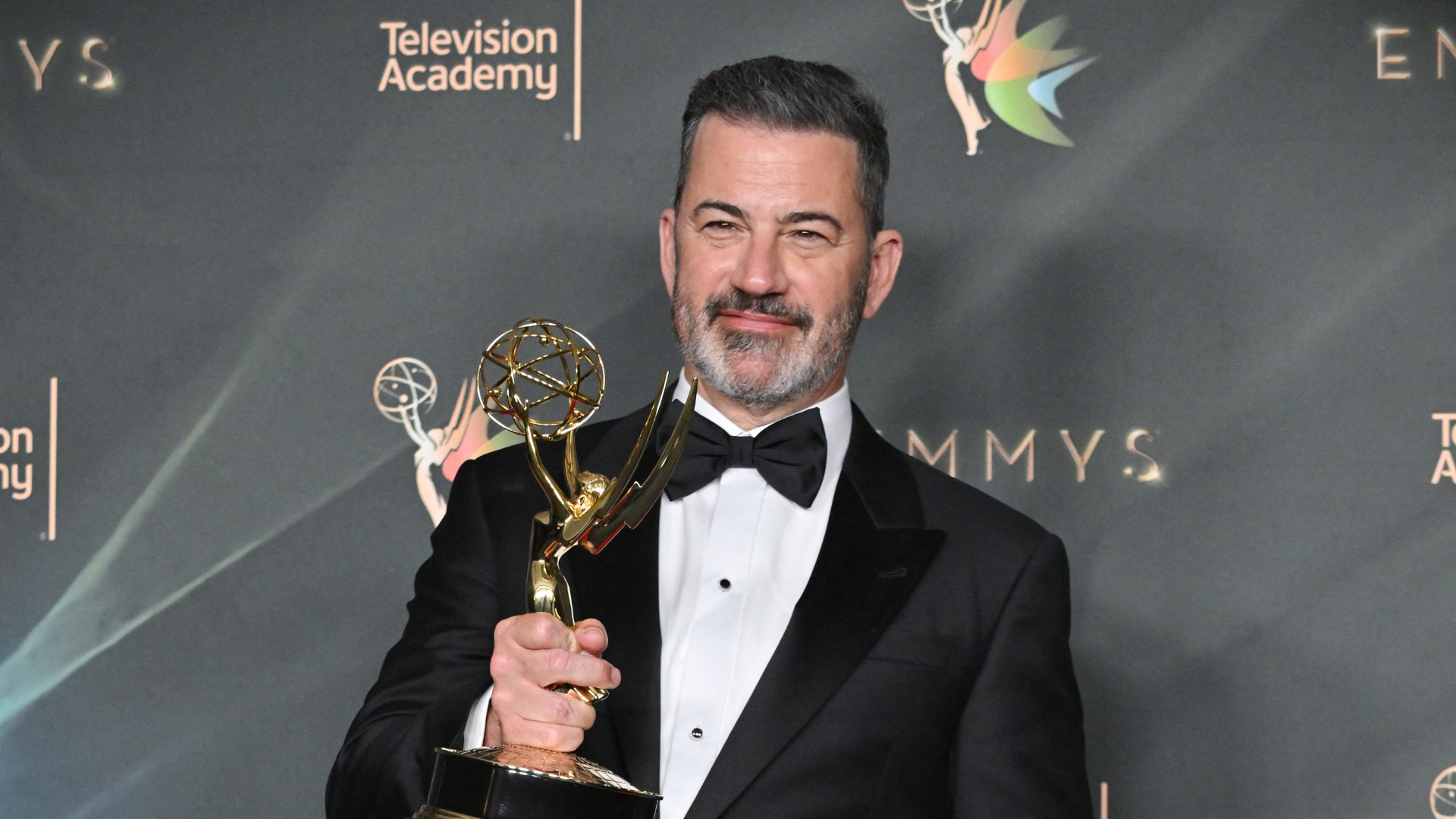
When Dana Walden, Disney’s president and chief creative officer, stepped onto the stage of a Bloomberg conference on Thursday, October 1, 2026, she did more than discuss new streaming initiatives. A single, off‑hand comment about the future of “Jimmy Kimmel Live!” rippled through the industry and ignited a wave of fan speculation that could reshape the late‑night landscape. “I’m not going to make that announcement today,” Walden said, then added that the late‑night block of the broadcast schedule was “very challenging.” The remark, framed by the company’s acknowledgment that late‑night viewership is shrinking, was enough to set off a frenzy of social‑media posts, memes, and forum discussions as fans rushed to confirm whether the 2026‑2027 season might indeed be the final chapter in the show’s ABC run.
Within minutes, Twitter exploded with users debating whether Kimmel’s contract, signed last December to run through May 2027, would be renewed. Some tweets praised the comedian’s “phenomenal” work, noting that his ratings were climbing relative to the dwindling audience that still tunes in for broadcast late‑night. Others cautioned that cost reductions were looming and that a “very challenging” schedule could force a hard decision. Across Reddit, fans dissected the implications of the comment, with some pointing out that the rise of streaming and social‑media consumption has left traditional late‑night slots vulnerable. The outcry was not just about a single show; it reflected a broader conversation about the fate of live television in an era dominated by on‑demand content.
The stakes are high. ABC, a Disney‑owned network, has carried Kimmel’s program since 2003. If the show ends, it would signal a significant shift in the network’s strategy toward streaming, a move that could reverberate through other long‑standing late‑night franchises. As the conversation intensified, industry insiders hinted that negotiations were ongoing and that a potential extension would require Kimmel to accept major budget cuts. In short, the air of uncertainty had turned the late‑night arena into a battlefield where fan loyalty, corporate strategy, and shifting audience habits collide.
Background & Context
Jimmy Kimmel’s tenure on ABC began in 2003, and the show has become a cultural touchstone for a generation that grew up on late‑night monologues and sharp satire. Over the years, the program has weathered changes in network leadership, shifting viewer demographics, and the advent of cable competition. Yet the fundamentals of late‑night broadcast television have altered dramatically: viewership numbers have fallen consistently, with only a handful of shows retaining a core audience. In 2023, data indicated that total late‑night viewers on broadcast stations dropped by nearly 15 percent compared to a decade earlier, a trend that the industry has labeled a “declining era” for the format.
Within this broader environment, ABC’s decision-making process reflects a careful balancing act. On the one hand, Kimmel’s ratings have improved modestly relative to the shrinking pool of viewers; on the other, the costs of producing a live weekly show with a national audience remain significant. Disney’s broader corporate strategy has leaned heavily toward expanding its streaming footprint, a move that requires reallocating resources from legacy broadcast properties. The 2026‑2027 season’s potential status as Kimmel’s final run is a direct product of these competing priorities.
The contract structure for “Jimmy Kimmel Live!” has historically been year‑by‑year. Kimmel’s latest agreement, signed in December 2025, secures the show’s presence on ABC through May 2027, providing the network with a short‑term window to evaluate the show’s viability against its strategic goals. This annual cadence offers flexibility for both parties but also signals the inherent uncertainty of long‑term commitments in a rapidly evolving media landscape. While the network has no official cancellation announcement, the conversation around potential budget cuts and contractual negotiations has heightened the sense that the show’s future hangs in the balance.
What People Are Saying
The reaction from fans and commentators has been as varied as it is passionate. On Twitter, some users lauded Kimmel’s resilience, noting that his “phenomenal” performance had kept ratings steady despite an industry-wide decline. One tweet highlighted that his monologue time had increased by 10 percent compared to the previous season, suggesting that the show had successfully adapted to audience preferences. Meanwhile, other posts expressed concern that the “very challenging” nature of late‑night programming could mean the end of a beloved institution.
Beyond social media, industry observers have weighed in on the implications. Analysts point out that the decline in late‑night audiences is not unique to ABC; CBS had already canceled “The Late Show” in 2026, and NBC’s “The Tonight Show” has been producing fewer episodes to cut costs. The trend suggests a systemic shift, with networks reallocating budgets toward streaming content that can be consumed on demand. Some commentators argue that if Disney were to remove Kimmel’s show from ABC, it would leave a significant gap in the network’s lineup that could be filled with lower‑cost or acquired programming.
At the same time, there are voices that caution against a premature dismissal. Advocates for traditional late‑night television argue that shows like “Jimmy Kimmel Live!” still hold cultural value and attract a dedicated fan base. They point out that the show’s ability to adapt—through increasing monologue segments, incorporating more social media interaction, and featuring high‑profile guests—has kept it relevant in a fragmented media environment. Some fans have organized online petitions and streamed petition videos, hoping to demonstrate to Disney that there remains a substantial audience for live late‑night content.
The conversation also touched on the broader question of how legacy shows can survive amidst a surge in streaming. Commentators noted that even as Disney invests heavily in its streaming platforms, it still relies on flagship programs to drive advertising revenue and cross‑promotion. Therefore, a decision to cancel Kimmel’s show would likely involve a nuanced cost‑benefit analysis, weighing the financial implications of a long‑running live production against the strategic priorities of the corporation’s digital portfolio.
What Happens Next
The next steps for ABC and Disney will involve a series of confidential negotiations between network executives and Kimmel’s management. While no public statement has confirmed a cancellation, the implication that the contract could not be extended beyond 2027 has been widely circulated. If the network decides to proceed with a cost‑reduction strategy, it could involve reducing episode numbers, cutting the size of the live studio, or shifting production to a different format that aligns with the network’s streaming goals.
In parallel, Kimmel himself is likely to weigh his options. Given his long history of annual contract renewals, the comedian may seek a compromise that preserves the show’s core identity while accommodating the network’s budget constraints. If an agreement cannot be reached, it could lead to the cancellation of the program, which would trigger a search for a replacement that can fill the late‑night slot. Potential successors might include up‑and‑coming comedians or established personalities who can appeal to a younger demographic that favors streaming over traditional broadcast.
For viewers, the period ahead will be marked by uncertainty. Fans may need to adjust their routines as the show’s schedule potentially changes. Meanwhile, the broader late‑night landscape could see more programs either transitioning to cable or streaming platforms or adopting a hybrid model that combines live elements with pre‑recorded content. As Disney refines its media strategy, the fate of “Jimmy Kimmel Live!” will serve as a bellwether for the viability of live late‑night television in an era dominated by on‑demand consumption.
In the end, the story of Kimmel’s future on ABC reflects a larger narrative about how traditional media grapples with evolving viewer habits, corporate priorities, and the relentless march of technology. Whether the show ends or finds a new home, its influence on late‑night television will echo well beyond the closing credits.
The Bottom Line
At MyWorldPulse, we view Disney’s potential move to end Jimmy Kimmel Live! not as a simple cost‑cutting exercise but as a watershed moment for the late‑night genre. The show’s longevity has proven that live comedy can thrive even as audiences fragment. Cutting it would send a stark message that cultural legacy is expendable in the streaming era—a message that could demoralize creators and viewers alike. Instead, Disney should explore innovative hybrids: reduced episode counts, live‑to‑stream specials, or a multi‑platform rollout that preserves the spontaneity of monologues while leveraging data‑driven advertising. By doing so, Disney would honor its heritage, satisfy a dedicated fan base, and demonstrate that live television can coexist with on‑demand consumption. The decision should be guided by both financial prudence and a commitment to the communal experience that defines late‑night television. Our stance is clear: preserve the show, reimagine its format, and keep the live‑night conversation alive for future generations.
Reference:
- Dana Walden’s tweet during Bloomberg conference
Read more celebrity news at MyWorldPulse.