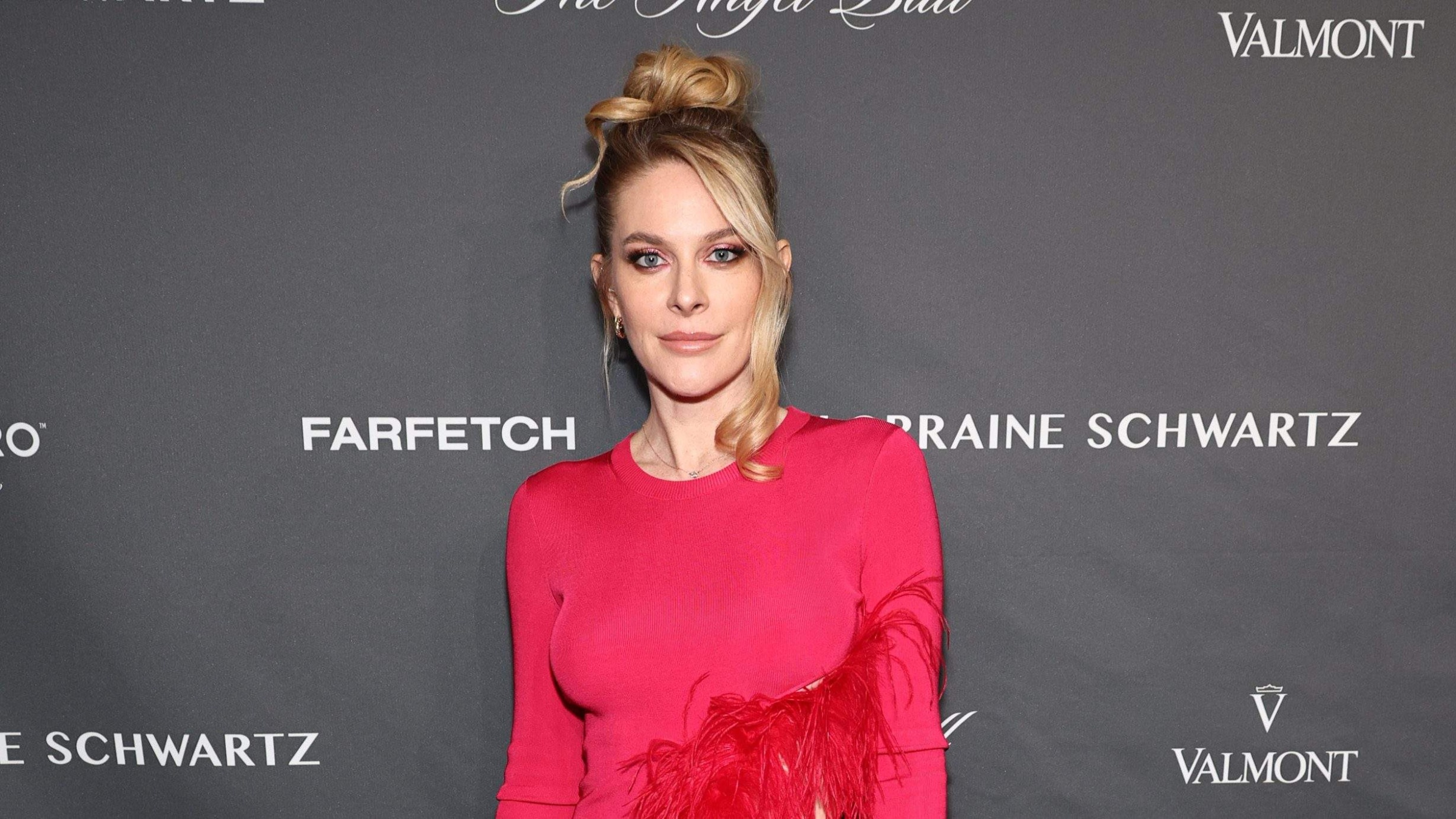
Leah McSweeney, the former Real Housewives of New York City cast member who burst onto the Bravo stage with a street‑wear swagger, has officially closed a legal chapter that began in February 2024. After 30 weeks of courtroom drama, the former housewife and her attorney withdrew the lawsuit against Andy Cohen, the network’s executive producer, and the network itself. The settlement—terms still undisclosed—precludes McSweeney from re‑filing the same claims, marking the end of a high‑profile dispute that rattled reality‑TV fans and insiders alike.
The saga began with McSweeney’s own words about sobriety, family, and the challenges of navigating a show built on drama. In her debut season, the 26‑year‑old entrepreneur from Brooklyn introduced a downtown sensibility to a program steeped in Manhattan high society. Her brand, Married to the Mob, was the centerpiece of her on‑screen persona, and her candid discussions of motherhood and recovery earned her a dedicated fan base. When the lawsuit was filed, it was clear that McSweeney’s story was not just a personal one—it was a call to question the realities of production environments that have long been painted as glamorous but can be toxic.
The settlement’s significance extends beyond the individuals involved. It forces a broader conversation about how reality‑TV networks manage talent with personal vulnerabilities. When a star alleges that a show’s production encouraged alcohol use and undermined sobriety, the repercussions ripple through the industry, influencing hiring practices, on‑screen content, and the mental‑health support offered to contestants. The fact that a former housewife was willing to confront the network’s leadership in court underscores a growing impatience with unchecked power and a desire for accountability.
Background & Context
Leah McSweeney first appeared on RHONY in 2020 during Season 12, stepping into a cast that included long‑time favorites like Ramona Singer and Luann de Lesseps. Her arrival marked a generational shift; while the show had traditionally showcased the lives of Upper East Side elites, McSweeney brought a grit that resonated with younger viewers. She was quickly involved in several storylines—from a tense trip to the Hamptons to heated confrontations with newer cast member Eboni K. Williams in Season 13. Those seasons solidified her as a breakout star, a status she carried into her 2023 appearance on The Real Housewives Ult—though the series never fully materialized.
In February 2024, the legal battle erupted when McSweeney sued Bravo, Andy Cohen, and associated producers. She claimed that the network and its executives had exploited her struggles with alcohol and encouraged environments that jeopardized her sobriety. The lawsuit also named Cohen, who denied the accusations. The case moved through a series of court filings and depositions over the next eight months. Ultimately, the parties reached a settlement that allowed McSweeney’s lawyer, Gary Adelman, to express satisfaction with the outcome. The agreement was finalized with the lawsuit withdrawn with prejudice, preventing any re‑filing of the same claims. While the financial terms remain confidential, the settlement’s existence sends a clear message to the reality‑TV industry: vulnerabilities will not be ignored.
What People Are Saying
Fans on social media erupted when the settlement was announced, with many expressing relief that McSweeney’s allegations had been addressed. Hashtags like #LeahSaysNo and #RealHousewivesJustice trended briefly, as viewers debated whether Bravo should have done more to protect a contestant with a known history of addiction. Some commenters highlighted how McSweeney’s courage had sparked conversations about the mental‑health toll of reality TV, praising her for turning a personal struggle into a platform for change. Others, skeptical of the legal system’s ability to protect talent, questioned whether the settlement was truly an acknowledgment of wrongdoing or simply a financial expedient.
Industry observers noted that the settlement could have far‑reaching implications for future reality‑TV productions. Producers across the spectrum are now under scrutiny for how they manage contestants’ well‑being, especially those with pre‑existing health conditions. The settlement prompted several networks to reevaluate their on‑air monitoring protocols and to provide more robust support for participants dealing with substance abuse. A few executives from competing reality shows have already announced policy revisions aimed at ensuring safer, more transparent working environments, citing the McSweeney case as a catalyst for change.
What Happens Next
For Bravo, the settlement marks a turning point in its approach to talent management. While the network has not released an official statement, insiders suggest that new guidelines will be implemented to address sobriety concerns and to provide clearer reporting channels for cast members. If these policies are enforced consistently, they could mitigate future lawsuits and restore trust among viewers who increasingly value authenticity over manufactured drama. Additionally, the case may prompt Bravo to reassess its long‑term relationships with former cast members, ensuring that contractual obligations extend beyond the camera’s glare.
Leah McSweeney herself has kept a low profile since the settlement, refraining from public commentary. Her future projects remain unclear, though speculation runs that she will channel her experience into ventures that advocate for mental‑health awareness in entertainment. Whether she chooses to return to Bravo in a guest capacity or pivot entirely to her fashion brand, the industry will undoubtedly watch her next move with interest. The settlement, meanwhile, will likely serve as a reference point for any future litigation involving reality‑TV networks and their treatment of cast members.
The resolution of McSweeney’s lawsuit underscores the shifting expectations placed on entertainment producers. As reality television continues to blur the line between genuine human experience and scripted spectacle, the stakes for talent and audiences alike grow higher. The 30‑week battle, culminating in a confidential settlement, may be a brief chapter in the story of RHONY, but it signals a broader trend toward accountability and reform—an outcome that many hope will ripple across the genre for years to come.
The Bottom Line
The McSweeney settlement is more than a legal footnote—it is a clarion call that reality television can no longer ignore the well‑being of its performers. Bravo’s decision to withdraw the lawsuit, while shrouded in confidentiality, demonstrates that even entrenched power structures are not immune to accountability when a cast member dares to confront them. As audiences grow increasingly savvy about the behind‑the‑scenes machinations that fuel the genre, networks must adapt by embedding robust welfare protocols into the fabric of their production models. This case also underscores the importance of transparent communication: fans deserve to know that their beloved shows prioritize safety over spectacle. While the settlement’s financial terms remain undisclosed, its symbolic value is undeniable. It forces the industry to confront uncomfortable questions about the moral costs of entertainment and pushes producers to cultivate environments where authenticity does not come at the expense of personal health. Ultimately, the McSweeney decision could herald a new era of ethical production practices that balance drama with dignity, setting a precedent that will shape reality TV for years to come.
Reference:
- Official post on Leah McSweeney’s verified Instagram account
Read more celebrity news at MyWorldPulse.