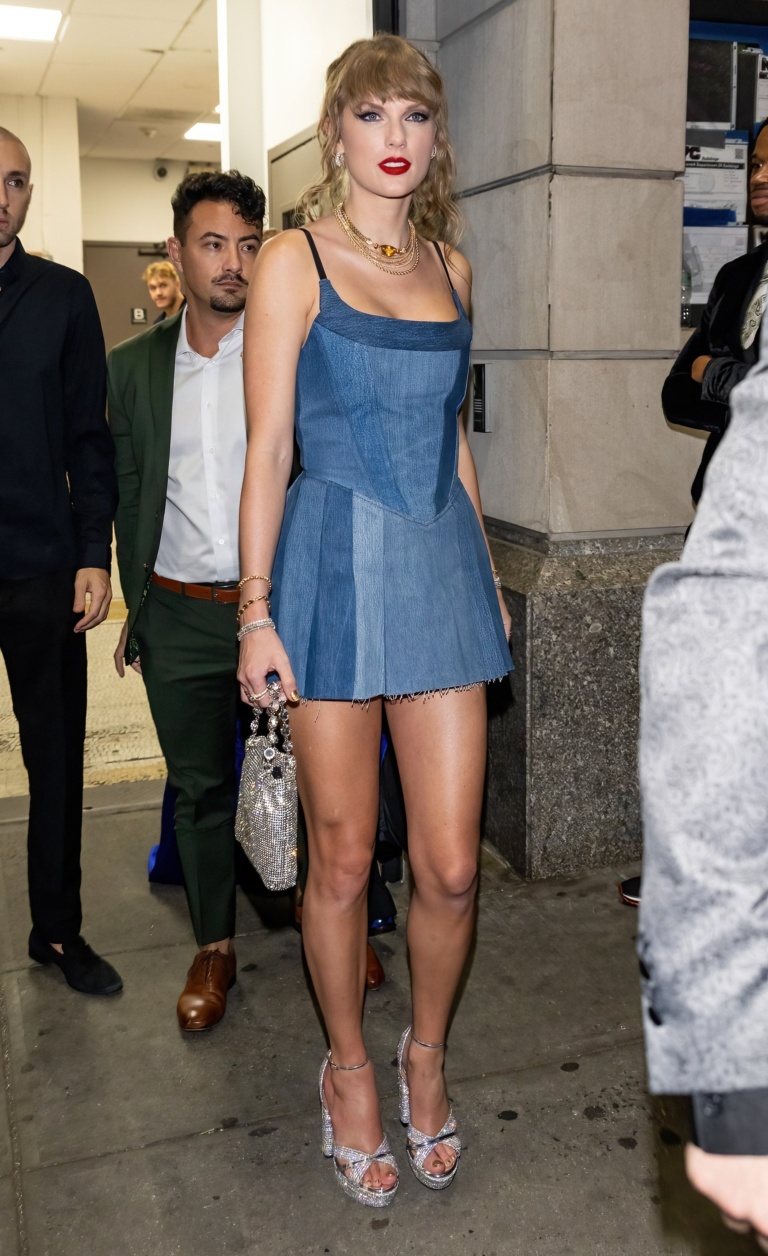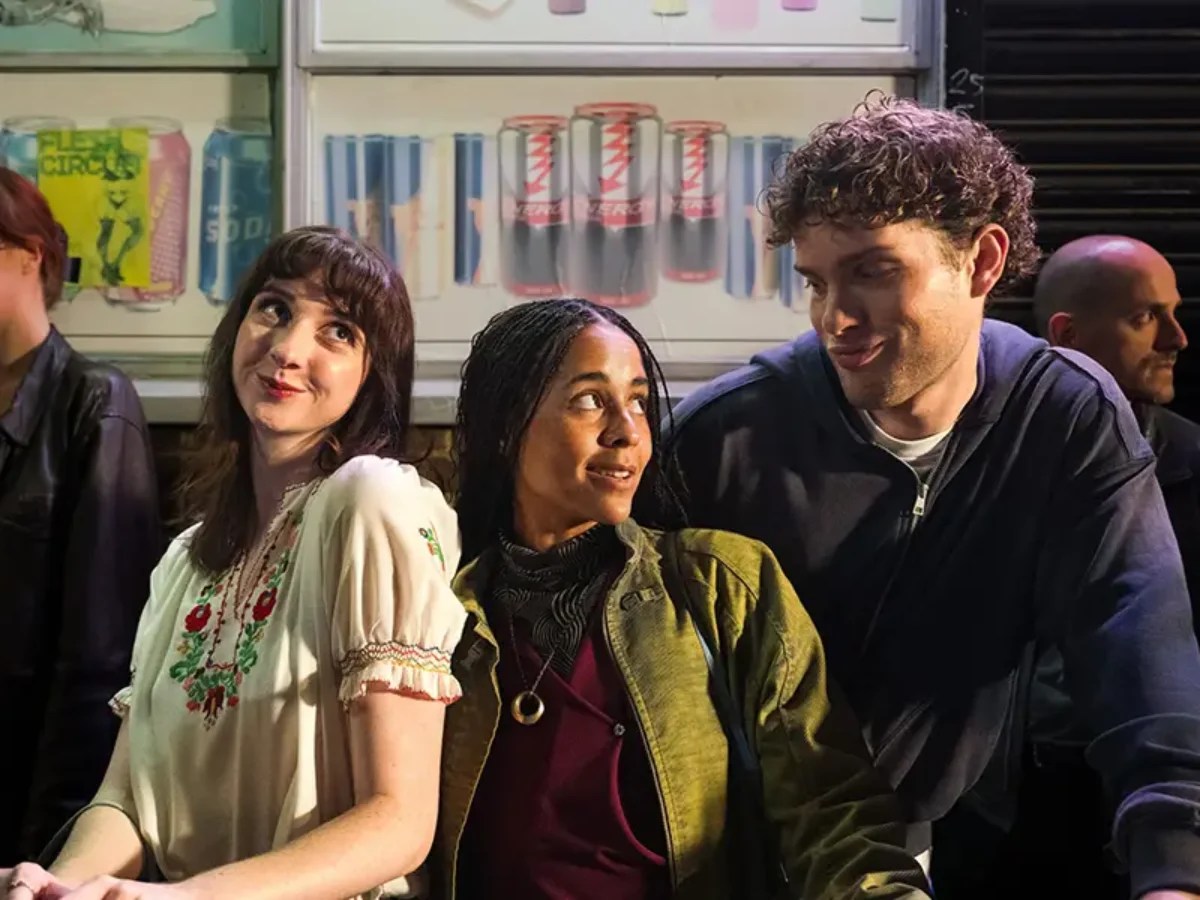
A quiet buzz erupted around the opening night of A24’s newest drama, It Gets Worse, when the 20‑year‑old writer‑creator walked the red‑carpeted set, a playful grin betraying a fierce confidence. The show promises to rewrite the familiar formula of “friends’ dramas” with a distinctly British, queer twist that feels like a breath of fresh air for Gen Z viewers. While it takes cues from earlier ensemble comedies, it does so with an unapologetic edge that has already turned heads on streaming platforms and social media feeds.
It Gets Worse follows a tight circle of twenty‑something Londoners who navigate career ambitions, love triangles, and the inevitable crises that test their loyalty. The series centers on Eli, a gay, half‑Black writer struggling to find his voice in a city that feels as competitive as it is vibrant. Rather than the New York backdrop that once framed Lena Dunham’s Girls, this story unfolds on the winding streets of Camden, Shoreditch, and the South Bank, capturing the grit and glamour of a city that never sleeps. The ensemble is a mosaic of backgrounds, each character bringing a unique cultural perspective that enriches the narrative. The show is a star vehicle for its creator, who turned 20 this year, and it feels like an autobiographical snapshot of living in a world that keeps evolving faster than any writer’s imagination.
The series arrives at a moment when audiences are craving authenticity and representation. The network behind it, A24, has a reputation for taking risks with projects that blend indie sensibility and mainstream appeal. This new drama feels like a modern counterpart to earlier “girls’ shows,” offering a more inclusive and contemporary lens. With its snappy dialogue, relatable conflict, and striking visual style, It Gets Worse aims to become a touchstone for a generation that values honesty over polish.
Background & Context
A24 has long championed boundary‑pushing storytelling, and It Gets Worse sits comfortably within that legacy. By bringing a queer lead and a diverse supporting cast to the forefront, the network signals its commitment to telling stories that mirror the real world, especially those that have been historically under‑represented. The show’s creator, who just turned 20, is already making waves in the industry as a visionary writer‑director, blending sharp wit with a keen eye for social dynamics. Her previous short films have won acclaim at indie film festivals, and the transition to a television series feels almost inevitable.
The decision to set the narrative in London rather than New York marks a bold shift. It acknowledges the global reach of the show’s themes—ambition, friendship, identity—while rooting them in a specific cultural context. The city’s diverse neighborhoods provide a living backdrop that shapes the characters’ interactions. From the bustling markets of Brick Lane to the bohemian cafés of Chelsea, each setting offers a different texture to the group’s shared experiences. The show leverages this urban tapestry to explore issues such as immigration, race, and LGBTQ+ rights in ways that feel both intimate and expansive.
Moreover, the show’s structural design pays homage to the “friends” genre while breaking its conventions. Episodes are compact, often under 30 minutes, and the pacing reflects the fast‑moving life of Gen Z. The script’s humor is razor‑sharp, but it never sacrifices depth for laughs. The result is a series that feels fresh and familiar in equal measure, appealing to viewers who grew up watching classic ensemble dramas and those looking for stories that reflect their own realities.
What People Are Saying
The first wave of reactions has been overwhelmingly positive. Viewers on streaming forums praise the show’s authenticity, noting that the characters feel like real friends rather than caricatures. Social media chatter highlights the way Eli’s journey captures the complexities of queer identity in a city that’s both welcoming and challenging. The show’s dialogue has sparked discussion about mental health and the pressure to succeed in creative fields, resonating with young professionals who find themselves navigating similar paths.
Critics in the entertainment community have also taken notice, pointing out the series’ deft blending of humor and heart. They commend the creator’s ability to weave diverse perspectives into a cohesive narrative that still maintains a clear central voice. The show’s visual style—slick cinematography paired with street‑level authenticity—has drawn comparisons to other successful London‑set series, yet it stands out with its bold color palette and modern soundtrack.
Moreover, audience engagement on social media platforms indicates that the show’s themes are sparking broader conversations about representation. Fans are posting memes that highlight specific moments from the series, turning the show into a cultural reference point for everyday life in the city. These discussions underscore the fact that It Gets Worse isn’t just entertainment; it’s a mirror reflecting the hopes, frustrations, and aspirations of a generation eager for stories that feel honest and inclusive.
What Happens Next
As the series continues to roll out, the creator has hinted at expanding the narrative beyond the initial episodes. She is exploring a multi‑season arc that will delve deeper into each character’s backstory while keeping the ensemble dynamic alive. The show's production team has also announced plans to collaborate with local musicians and artists, aiming to showcase emerging talent through the soundtrack and visual design. This partnership will provide a platform for up‑and‑coming voices, reinforcing the series’ commitment to diversity.
In addition, the network is working on an interactive component that will allow fans to influence certain plot points via social media polls. This strategy not only keeps the audience invested but also reinforces the show’s premise of community and shared experience. By inviting viewers to participate in decision‑making, A24 is turning passive watching into an active cultural conversation.
From a broader perspective, the success of It Gets Worse could herald a shift in how mainstream media approaches storytelling for younger audiences. The show demonstrates that there is a hungry market for narratives that combine sharp humor, emotional depth, and genuine representation. If it continues to resonate, we may see a wave of similar series that champion under‑represented voices and embrace the messy, vibrant reality of contemporary life.
The series’ finale is slated for the end of the season, but the buzz suggests that fans are already looking ahead to a potential second season. As the show builds momentum, the conversation around authenticity, diversity, and the new generation’s storytelling continues to thrive, proving that a 20‑year‑old writer‑creator’s bold London take is more than just a headline—it's a cultural milestone.
The Bottom Line
MyWorldPulse believes *It Gets Worse* is more than a debut—it’s a cultural milestone that redefines who gets to sit at the table in modern storytelling. The fact that a 20‑year‑old creator can helm a show that balances queer narratives, Black representation, and the hustle of London’s creative scene is a testament to the power of fresh voices. By breaking away from the New York formula, the series grounds itself in a city that mirrors the chaotic, vibrant reality of many Gen Z viewers. This authenticity is not a gimmick; it’s a necessity. The interactive polls further blur the line between audience and author, making the viewing experience communal and dynamic. For the industry, the show proves that inclusive, fast‑paced dramas can thrive both critically and commercially, especially when they give fans agency. As *It Gets Worse* continues to evolve, it invites other creators to dream bigger, stay true to their identities, and trust that authenticity will resonate. The message is clear: the next era of mainstream television belongs to those who write with honesty, diversity, and engagement at the core.
— MyWorldPulse Editorial Team
Reference:
- A24’s official Twitter announcement of It Gets Worse
Read more celebrity news at MyWorldPulse.