In a first for the long‑running reality‑dance show, the final three hours of Dancing with the Stars Season 35 will air in real time across the United States, giving West Coast viewers the chance to watch, cheer, and vote on the night the Len Goodman Mirrorball Trophy is awarded.
The historic shift comes on Tuesday, Nov. 24, when ABC and Disney+ will broadcast the finale at 5 p.m. PT, 6 p.m. MT, 7 p.m. CT and 8 p.m. ET. For the first time, viewers in the Mountain and Pacific time zones will no longer wait for a three‑hour tape‑delay. The live feed also streams to Disney+ subscribers and Hulu users the next day at 8 p.m. PT.
The move to a live broadcast is a clear response to the season’s record‑setting viewership. Earlier in the run, the show pulled in 6.59 million live‑plus‑same‑day viewers on its Super Bowl Night episode, a nine‑year high in the coveted 18‑49 demographic. The momentum was further underscored by the program’s first Emmy nod in a decade for Outstanding Reality Competition Program, though it ultimately lost to The Traitors.
Background & Context
Dancing with the Stars has been a fixture of American primetime for 21 years, traditionally airing its finales on a tape‑delay for viewers west of the Eastern time zone. This format had always been a point of frustration for fans who wanted to see the dramatic last‑minute twists in real time. The decision to switch to a live broadcast reflects not only the network’s confidence in the show’s staying power but also the broader shift toward immediate, interactive entertainment in an era where streaming platforms can compete with traditional linear TV for viewers’ attention.
The season’s five couples are set to go head‑to‑head in a three‑dance showdown. Each pair will perform a judge’s choice routine, an instant dance, and a freestyle number, all while the audience votes live. The contestants include former The Voice contestant Amber Glenn and her partner Pasha Pashkov; former American Idol contestant Ezra Frech with Daniella Karagach; veteran actress Tatyana Ali and her professional partner Jan Ravnik; the quirky duo of former The Apprentice star Connor Wood with Rylee Arnold; and reality‑TV icon Maura Higgins alongside Mark Ballas, the series’ own dance veteran.
The lineup itself is proof of the show’s ability to blend pop‑culture names with proven dance talent. Over the past season, the series has pushed the envelope by pairing Hollywood celebrities with professional dancers who are as much choreographic masterminds as they are performers. The result has been a series of high‑stakes, high‑energy performances that keep audiences glued to their screens.
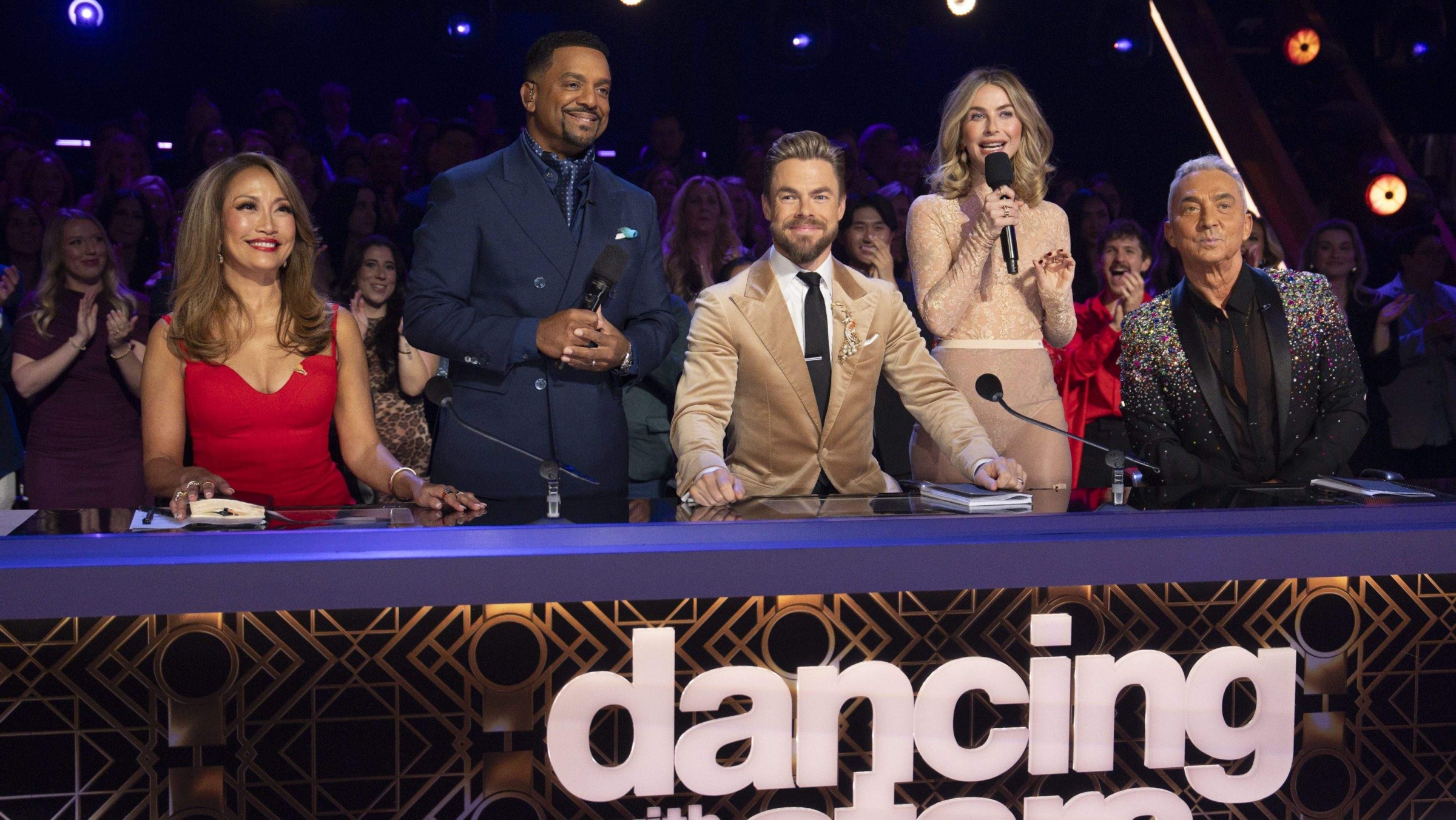
The production has been a logistical juggle, especially with the three‑hour live format. The show’s producers have had to coordinate with the judges—Luke Graham, Julianne Hough, and Bruno Tonioli—ensuring that their critique segments are timely and the pacing keeps the 180‑minute broadcast from feeling sluggish. Disney+ and Hulu have also had to prepare their streaming infrastructure to handle a sudden spike in traffic, as West Coast viewers now have an incentive to tune in live.
What People Are Saying
Social media erupted with enthusiasm as the announcement was made. In a flurry of Instagram posts, fans celebrated the elimination of the “West Coast” barrier, with captions ranging from “thank goodness! can we do this every week next season?” to “BIG WIN FOR WEST COAST DWTS.” The sentiment was clear: West Coast viewers had long felt left out of the live voting experience that has become the hallmark of many reality competitions.
Elsewhere, commentary reflected a deeper appreciation for the show’s cultural impact. Commentators noted how the live format could amplify drama—unexpected wardrobe malfunctions, spontaneous vocal performances, or even last‑minute score adjustments—offering a rawer, more authentic narrative. The prospect of watching the final dance battles unfold in real time also raises the stakes for the judges, who must deliver their critiques quickly and decisively.
In industry circles, the live finale is seen as a bold move that could reshape how syndicated reality shows operate. Critics point to how the strategy might serve as a litmus test for other long‑running programs that face declining live viewership. The success of a live DWTS finale could encourage networks to experiment with live formats for shows that traditionally rely on delayed broadcasts.
There is, however, a cautious side to the conversation. Some purists worry that a live broadcast may sacrifice the polished feel of the show’s post‑production edits. Others speculate about the impact on voting accuracy—will the immediacy of live voting lead to a more representative outcome, or will it magnify regional biases? These are questions that will only be answered once the cameras roll and the final scores are announced.
What Happens Next
As the season’s semi‑finals approach, the tension builds. The most recent elimination of “Grey’s Anatomy” star Harry Shum Jr. and partner Jenna Johnson left fans stunned and set the stage for the final five. The elimination also underscored how quickly the show can turn the tide, with every dance affecting the leaderboard. The remaining couples have been rehearsing tirelessly, balancing their signature styles with the expectations of the judges and the audience.
After the finale airs, ABC will likely host a post‑event recap, featuring behind‑the‑scenes insights and interviews with the contestants. The network may also analyze the voting data to gauge how the live format influenced the outcome, potentially comparing it with past seasons. For the contestants, the next steps vary: those who win may get their own show or a return to the dance floor in other capacities; those who place lower will find closure but may still be courted for future opportunities.
Industry analysts predict that the live finale will become a model for future seasons. The network’s willingness to invest in live broadcasting technology and secure the rights to stream on Disney+ and Hulu could signal a shift in how American reality television is consumed. If the live format proves successful, ABC could consider a permanent change, while the streaming partners might negotiate more exclusive rights to future episodes.
For now, fans can brace themselves for a dramatic, three‑hour showdown that may well be one of the most electrifying nights in DWTS history. Whether the West Coast audience will see a new standard set in motion remains to be seen, but the excitement is already palpable, and the dance floor is set for an unforgettable finale.
---
The Bottom Line
From MyWorldPulse’s perspective, the live finale is a bold step that acknowledges the evolving habits of viewers who demand instant gratification. While the production challenges—coordinating judges, live editing, and streaming infrastructure—are nontrivial, the payoff is clear: a unified audience that can watch, cheer, and vote simultaneously regardless of time zone. This move also democratizes the experience, erasing the West Coast’s historical disadvantage and signaling that DWTS is willing to innovate to maintain relevance. Critics who argue that live broadcasting might dilute the polished editing will likely be proved wrong, as the rawness of live performances can create a more visceral connection with fans. Ultimately, if this model succeeds, it could herald a new era where high‑profile reality shows blend the reliability of syndication with the immediacy of live TV, a hybrid that benefits broadcasters, streaming partners, and, most importantly, the audience.
Reference:
- Official DWTS announcement on Twitter
- ABC press release announcing live finale
Read more celebrity news at MyWorldPulse.