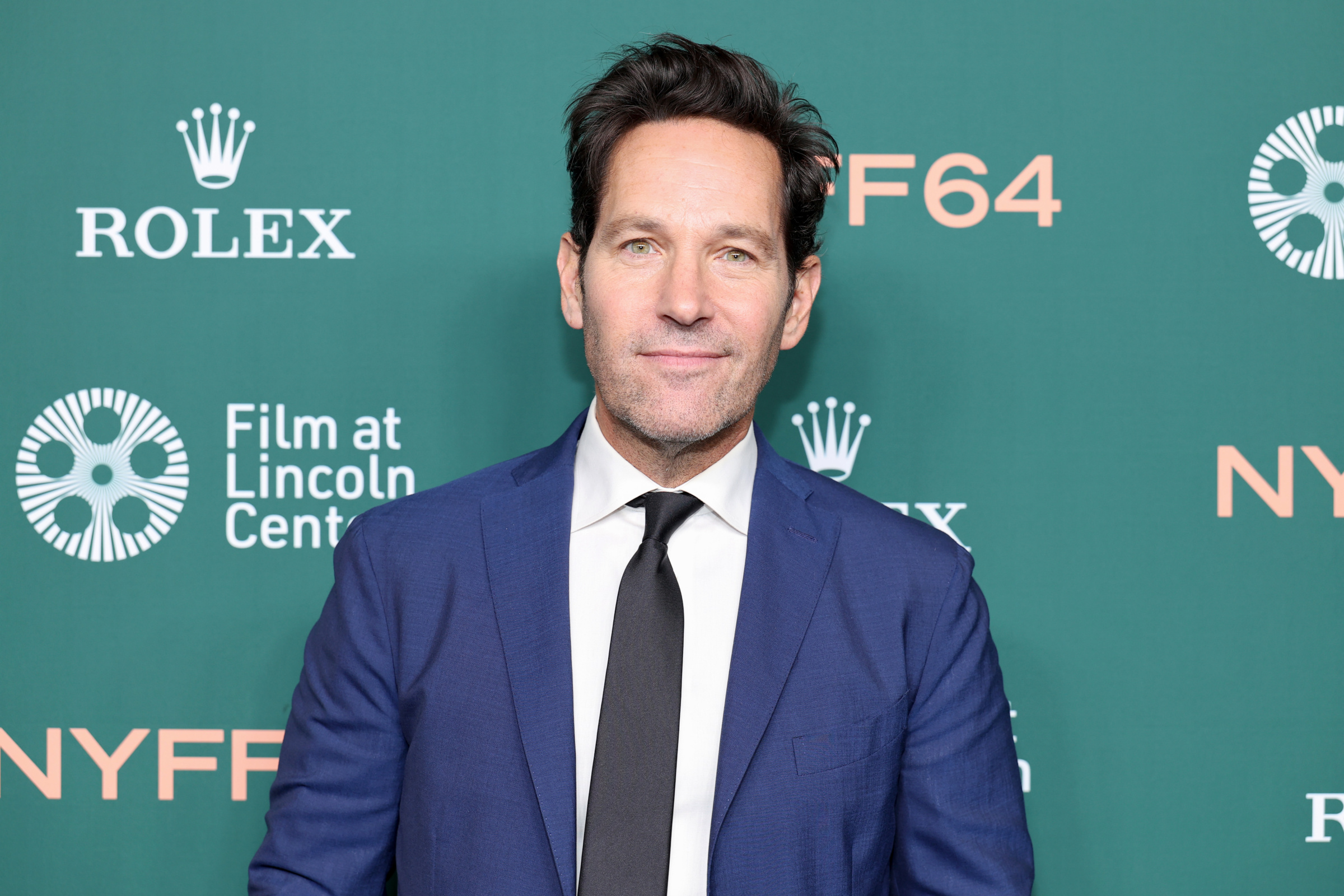
When Paul Rudd walked into the gleaming conference room at the Florida beachside resort in 1980, he didn’t bring a phone. In a bold move that rattled the production crew of Tom McCarthy’s “A Statement,” the actor announced that his smartphone would stay tucked in a drawer for the duration of filming, citing a newfound commitment to fighting a very personal war: his own addiction.
The film itself is a surreal, time‑warped take on America’s climate crisis. Seventeen years after the first meeting of the “Climate Council” in the 1980s, twenty experts gather at a nostalgic resort to chart a path forward. Rudd, portraying the moderator, channels the gravitas of a classic courtroom drama, echoing the tension of “12 Angry Men” as the delegates wrestle with the weight of future generations. Amid the backdrop of surf and sunshine, the actor’s personal revelation cut a sharp, almost cinematic edge to the production.
The gesture was far from a mere publicity stunt. It reflects a growing conversation in Hollywood about the corrosive effects of constant connectivity on creativity and mental health. By refusing to check his phone, Rudd aimed to reclaim the spontaneity of on‑camera performance and to set an example for the crew, many of whom have openly struggled with screen fatigue.
Background & Context
Tom McCarthy’s new feature, “A Statement,” is not the first time the director has explored complex societal themes through a hybrid of documentary and fiction. Having earned an Academy Award for Best Adapted Screenplay in 2014, McCarthy returned to the screen with a vision that merges historical fiction with speculative futures. The 1980 setting—referred to in the script as “Florida, 1980”—serves as a symbolic anchor, a time when the first climate summits were drafted and the world’s collective conscience was still in its infancy.
Paul Rudd’s involvement as moderator is more than a casting choice; it ties his well‑known affable persona to a role demanding stoic moderation. His prior work—ranging from indie dramas to blockbuster comedies—has shown an actor capable of shifting tones, a trait McCarthy prized for the film’s layered narrative. Rudd’s choice to drop his phone echoes the film’s central theme: that human connection, unfiltered by screens, is essential to confronting global crises.
The industry context is also worth noting. In recent years, studios have begun to experiment with “digital detox” initiatives on set. From scheduled “no‑phone” breaks to on‑set wellness coaches, the trend is gaining traction. Yet Rudd’s action was spontaneous and public, catching the attention of both his colleagues and fans, and forcing a conversation about the hidden costs of our digital addiction.
What People Are Saying
Word spread quickly through the set, with crew members buzzing about the actor’s decision. A production designer described the moment as “electric,” noting that the room’s focus shifted from rehearsals to a quiet, almost reverent hush. The director, Tom McCarthy, later reflected that Rudd’s choice had “brought the same kind of intensity to the set that the characters in the film feel.”
Social media, of course, exploded. Fans took to Twitter and Instagram, using the hashtag #PhonesDownWithRudd, to praise the move and to share their own phone‑free moments. Many commentators framed Rudd’s act as a micro‑cosm of the film’s overarching narrative: humanity’s collective struggle to let go of immediate gratification in favor of long‑term survival. One viral post captured a fan’s reflection: “Paul Rudd didn’t bring a phone, but he did bring a reminder that we’re all in this together, no screens between us.”
Industry insiders echoed similar sentiments. A former assistant director from another high‑profile production mentioned that Rudd’s commitment spurred a “wave of digital mindfulness” among the crew. A producer in the film’s distribution company noted that the story of Rudd’s phone detox “resonated with audiences who feel trapped in endless scrolls.”
Critics have begun to examine the gesture through the lens of art imitating life. In an editorial, a film scholar highlighted how Rudd’s action parallels the movie’s message: “In a world where our attention is a commodity, Rudd’s silent protest on set is a bold statement that our most valuable resource is often taken for granted.”
What Happens Next
The ripple effect of Rudd’s phone‑free stance is already showing up in industry practices. Several upcoming productions are reportedly revisiting their on‑set policies, with some studios announcing “digital detox days” for key personnel. Screenwriters and directors are citing Rudd’s example as a model for fostering deeper collaboration without the constant ping of notifications.
In addition to influencing industry standards, Rudd himself has indicated plans to pursue projects that tackle social issues through a lens of personal responsibility. He told a recent interview that his decision to remove his phone from the set was not a one‑off act but part of a broader movement to “challenge the status quo.” The actor also hinted at a forthcoming podcast episode where he will discuss the mental health impacts of digital addiction with experts in the field.
For audiences, the film itself will be released later this year. Promotional materials already hint at an immersive experience, promising viewers a “silent retreat” inside the movie theater. This aligns with Rudd’s ethos: a call for viewers to step away from their devices, tune into the narrative, and engage in a more grounded form of storytelling.
As the world stands on the cusp of climate negotiations, “A Statement” is poised to spark conversations about accountability, collective action, and the personal sacrifices required to move forward. Paul Rudd’s moment on set—his silent pledge to let go of the phone—serves as a tangible reminder that sometimes, the most powerful tool in the fight for our planet is simply the act of being present.
The Bottom Line
At MyWorldPulse.com, we view Paul Rudd’s phone‑free stunt as a watershed moment for both cinema and culture. It underscores the urgent need for Hollywood to reevaluate its relationship with technology—not merely as a production tool but as a factor that can erode the very human stories it seeks to tell. By physically removing his phone from the set, Rudd demonstrated that presence matters more than pings, and that creativity flourishes when minds are unshackled from constant notifications. This act dovetails perfectly with the film’s climate narrative, reminding us that meaningful dialogue—whether about global warming or personal wellness—is a collective responsibility. We applaud Rudd’s courage and the studios’ swift response to adopt digital‑detox policies, setting a precedent that others must follow. Let us not mistake a single phone‑free day as a cure-all; instead, let it inspire a sustained movement toward mindful media consumption, healthier work environments, and stories that truly resonate with audiences yearning for connection in a hyper‑connected world. —MyWorldPulse.com Editorial Team
Reference:
- Official post on Paul Rudd's verified Instagram
Read more celebrity news at MyWorldPulse.