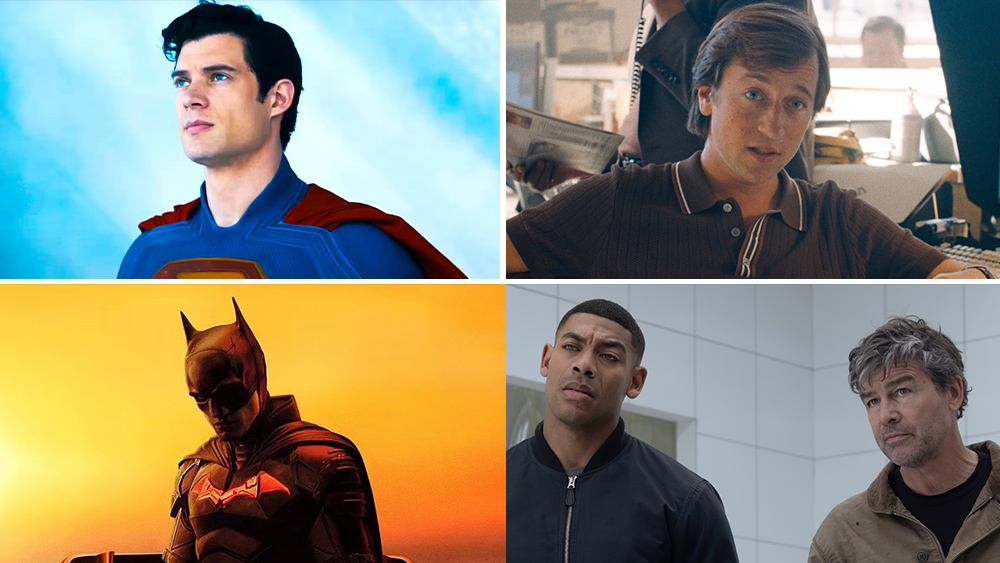
Jeremy Latcham Unleashes DC Studios 2024 Reboot, 13 New Projects Revealed
When the long‑awaited announcement that James Gunn and Peter Safran were stepping down from DC Studios hit the internet, it felt as though a giant was suddenly removed from the skyline. A ripple ran through studios and fan forums alike, raising questions about continuity, tone, and the next chapter for the iconic comic book empire. In the wake of that seismic shift, a new steward emerged: Jeremy Latcham, a former Marvel executive with a record of revamping franchises and a fresh creative vision born in the world of Dungeons & Dragons. His arrival signals a pivot, not only for DC but for the broader film industry that thrives on the delicate balance between legacy and reinvention.
At the same time, a separate but equally significant diplomatic event unfolded in Los Angeles. Canada’s new Consul General, Kamal Khera, was unveiled at a reception hosted by Canada House. Khera, whose background in international trade and cultural affairs positions her uniquely to bridge Canadian and American creative communities, expressed a desire to weave tighter ties between Canadian film producers and Hollywood’s powerhouse studios. While the two stories occupy different spheres—one domestic, the other transnational—their convergence in the heart of the film capital underscores an industry increasingly attuned to global collaboration and cultural diplomacy. Even as executives swap positions, the industry’s heartbeat remains tied to a network of relationships that transcend borders.
A seemingly unrelated anecdote slipped into the public conversation when Prince William shared a personal memory of waking up in a private residence surrounded by a public garden. His confession—“I would have to hit the floor and hurriedly close the curtains because I wasn’t fully dressed and there were people outside who could see straight into my bedroom window”—added a humanizing, almost humorous layer to the narrative. Though not directly linked to cinema, the story resonated with many who navigate the fine line between public image and personal privacy, a tension that has only intensified in the age of social media and 24‑hour coverage.
Background & Context
Jeremy Latcham’s arrival at DC Studios follows a lineage of high‑profile stewardship. James Gunn, renowned for his work on the Guardians of the Galaxy franchise, and Peter Safran, who had co‑created Guardians of the Galaxy with Gunn and later steered the Justice League projects, had set a tone of bold reboots and daring storytelling. Their tenure was marked by a willingness to reimagine established characters and to invest heavily in the DC Extended Universe’s cinematic ambitions. The decision to depart—rumored to stem from creative differences and a desire to pursue new ventures—left a vacuum that Latcham was poised to fill.
Latcham’s résumé is a tapestry of Marvel’s blockbuster success and the imaginative storytelling of Dungeons & Dragons: Honor Among Thieves. At Marvel, he oversaw the development of several key titles, guiding them from script to screen while balancing fan expectations with commercial viability. His experience in a genre that thrives on world‑building and expansive mythos positions him to handle DC’s complex universe with a nuanced approach. In a brief statement, Latcham emphasized his commitment to honoring the legacy of DC characters while crafting narratives that appeal to a global audience hungry for fresh, layered storytelling.
Simultaneously, Kamal Khera’s appointment as Consul General in Los Angeles signals a renewed push for cultural collaboration between Canada and the United States. Khera, whose previous roles included director of the Canadian Film and Television Commission, has expressed enthusiasm for fostering partnerships that elevate Canadian talent in the global market. In a speech delivered at Canada House, she highlighted the importance of shared creative ventures, citing the success of co‑productions in the past as a blueprint for future endeavors. Her focus extends beyond film, encompassing music, animation, and digital media, aligning with Hollywood’s evolving landscape of multi‑platform content.
The Prince William anecdote, though seemingly unrelated, reflects a broader theme of public versus private realms that pervades the entertainment industry. Actors and directors often grapple with maintaining authenticity while safeguarding personal space—a challenge magnified by the digital age. The royal’s candid admission offers a mirror to the pressures faced by industry figures whose every gesture can become fodder for public scrutiny. In an era where image and narrative are inseparable, the anecdote underscores the delicate dance between persona and storytelling that defines the modern entertainment milieu.
What People Are Saying
Industry insiders have responded to Latcham’s appointment with a mix of cautious optimism and anticipation. Fans of DC’s recent releases are eager to see how the new leadership will balance the gritty, superhero‑dominated tone of the current slate with the potential for darker, more grounded stories. Some critics predict a shift toward more diverse casting and inclusive storytelling, aligning DC’s output with contemporary social narratives. Latcham’s background in managing cross‑cultural projects at Marvel suggests that he may prioritize a broader representation of voices both on and off the screen.
Canadian film circles have welcomed Khera’s presence in Los Angeles, viewing it as a strategic move to elevate Canadian productions on the world stage. Khera’s outreach to key studio executives signals a proactive approach to securing co‑production deals that benefit Canadian artists and technicians. Industry analysts note that such diplomatic engagement could result in increased Canadian content in Hollywood films, thereby expanding the talent pool and diversifying storytelling perspectives.
The Prince William quote has sparked conversations about celebrity privacy and media responsibility. Though the anecdote is rooted in royal life, the parallels to Hollywood’s own challenges are evident. Commentators highlight that the entertainment industry continues to navigate the tension between public expectations and personal boundaries, with social media often eroding the latter. In a broader sense, the story serves as a reminder that even those in the spotlight must find ways to reclaim personal space—a principle that extends to actors, directors, and executives alike.
Public reaction to Latcham’s appointment has also turned to social media, where fans speculate about upcoming projects. Several tweets reference the “13 New Projects” that Latcham hinted at in a recent interview, generating buzz across fan communities. Some speculate that these projects might include a reimagining of classic DC characters, while others anticipate fresh, original properties that could redefine the superhero genre. The sheer number of upcoming releases—over a dozen titles slated for 2024—has sparked discussions about pacing and brand coherence, a challenge for any studio attempting to juggle a sprawling cinematic universe.
Within the Canadian film community, Khera’s meeting with studio leaders has drawn attention to the need for more inclusive policies. The conversation revolves around funding, distribution, and the sharing of creative rights, with an eye toward establishing a sustainable pipeline that benefits all stakeholders. This dialogue aligns with broader industry trends toward more collaborative, cross‑border production models that leverage diverse talent pools and shared financial risk.
What Happens Next
Jeremy Latcham’s first tangible step as DC Studios president will be the unveiling of the full slate for 2024, scheduled to be revealed in early spring. Industry insiders anticipate a mix of sequels to popular franchises and original titles that push the boundaries of the DC narrative universe. Latcham’s stated goal is to ensure that each film delivers both commercial viability and narrative depth, thereby strengthening the brand’s position against competitors. Fans can expect a strategic rollout that balances theatrical releases with streaming content, acknowledging the evolving consumption habits of contemporary audiences.
In parallel, Kamal Khera is set to host a series of roundtable discussions in Los Angeles with Canadian producers and Hollywood executives. These gatherings aim to identify joint ventures, streamline co‑production agreements, and negotiate equitable revenue sharing models. Khera’s diplomatic mandate includes fostering educational exchanges, with a focus on film school partnerships and internship opportunities for Canadian students in Los Angeles. Her active engagement is expected to elevate Canadian visibility in Hollywood, potentially leading to increased collaboration on high‑budget productions.
The entertainment industry’s relationship with public discourse may also evolve in the wake of the Prince William anecdote. While the royal’s candid admission is a standalone story, it prompts broader reflection on how public figures navigate personal privacy. As a result, there is likely to be a continued push for media outlets and studios to adopt more respectful coverage practices, perhaps even formal guidelines that protect the personal spaces of industry professionals. This shift may influence contract negotiations, especially those related to public appearances, social media engagement, and brand partnerships.
Finally, the convergence of these narratives—DC’s leadership transition, Canada’s diplomatic outreach, and the candid royal anecdote—suggests a broader trend of interconnectedness in the entertainment world. Studios are no longer isolated entities; they are part of a global ecosystem where cultural diplomacy, creative collaboration, and personal narratives intersect. The coming months will reveal how these forces shape the stories we watch, the creators who tell them, and the audiences who experience them.
The entertainment industry, at this juncture, is in a period of transformative realignment. A new vision for DC Studios under Jeremy Latcham, a diplomatic bridge built by Kamal Khera, and a candid glimpse into the complexities of public life all underscore a sector that is adapting to new leadership, new partnerships, and a world where personal and professional realms increasingly collide. As these developments unfold, audiences can look forward to a fresh wave of storytelling that respects heritage while daring to imagine what comes next.
The Bottom Line
MyWorldPulse sees Jeremy Latcham’s 13‑project rollout as a game‑changing bet on fresh, global narratives that honor DC’s heritage without re‑inventing the wheel. Kamal Khera’s diplomatic role opens the door for Canadian talent to step onto Hollywood’s biggest stages, while the Prince William story reminds us that behind every blockbuster is a person with privacy. Together they paint a picture of an industry in flux—moving toward inclusive storytelling, cross‑border collaboration, and a new ethic of respect for personal boundaries. We support this evolution, urging studios to keep the focus on creative risk, cultural diversity, and transparent media practices. The coming months will test whether these bold moves translate into compelling films and meaningful partnerships. In short, this trio of shifts signals that entertainment’s future will be defined by both daring narratives and a deeper commitment to the people who craft them.
Reference:
- Latcham's official announcement on LinkedIn
- Canada House announcement of Khera's appointment
Read more celebrity news at MyWorldPulse.