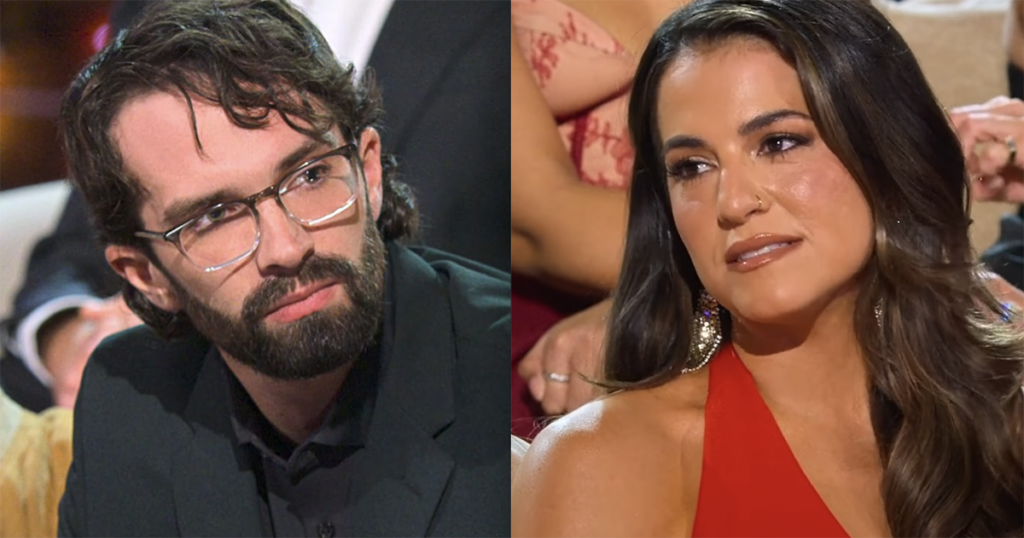
In the weeks after Love Is Blind’s reunion, John Shannon opened his Instagram to admit that a handful of harassing messages from a sex worker had pushed him past the point of marriage and into therapy.
The former pod‑partner of Sarah Williams—who and Shannon were the only couple to turn their pod romance into a wedding—has faced a whirlwind of scrutiny since the show’s final episode. When Williams revealed that Shannon had sent her “inappropriate” text messages from a sex worker, the fallout was swift. Her subsequent comments about “viping” and name‑calling painted a picture of a toxic pattern that had quietly eroded their relationship. In a candid video that surfaced on Friday, Shannon acknowledged that his 33‑year‑old self had still been learning how to handle conflict and had only begun to confront those habits in therapy.
Background & Context
John Shannon first captured viewers’ hearts in 2021 when he and Sarah Williams met behind the closed doors of the Love Is Blind pod. The show’s premise—couples marrying without seeing each other—produced an almost mythic love story, and the couple’s wedding in the U.S. was a televised moment that felt genuine to millions. Yet, as the season’s finale drew to a close, the honeymoon period was short-lived. In the reunion episode, Williams disclosed that Shannon had been exchanging “NSFW” text messages with a sex worker, a revelation that sent shockwaves through the fan base and the couple’s already fragile marriage.
The text exchange was only the tip of an iceberg. Williams also accused Shannon of “viping,” a term she used to describe a toxic communication style that involved him lashing out with name‑calling during arguments. While many viewers were focused on the texts, others began to understand that these incidents were part of a broader pattern that had been simmering beneath the surface.
The drama escalated further when Sarah took to The Viall Files—a podcast that explores personal and emotional journeys of celebrities—to discuss her experiences in depth. Fans tuned in to hear Williams explain how the texts were the final straw, but also how the pattern of emotional abuse had been building over months. Her candidness, while painful, provided a broader context for what many viewers had speculated about behind the scenes. The conversation on the show and in subsequent online discussions underscored the reality that even highly publicized relationships can hide difficult truths that are only revealed in later, more private moments.
What People Are Saying
Shannon’s apology video, posted to his Instagram feed, came as a direct response to the backlash and the comments he had received. He opened by acknowledging that “for a long time I normalized name‑calling as just part of conflict, and I didn’t appreciate how damaging that could be and the lasting effects of it, especially when it’s coming from someone who’s supposed to be your biggest supporter.” He added that he had been in therapy since spring and had recently started seeing a counselor specializing in Dialectical Behavior Therapy (DBT) to address his emotional regulation.
While the video was framed as an attempt at self‑reflection, the comments section under the post turned into a digital crossroads. Fans, former viewers, and casual observers debated the sincerity of the apology. Some offered support, writing that they hoped Shannon would learn from the experience, while others questioned whether his admission was enough to absolve the emotional harm he had caused. The conversation was further fueled by the fact that Shannon had clarified that he was not withholding divorce papers and that a “restraining order” referenced in other reports was actually a standard financial order in Massachusetts divorce proceedings, not a legal limitation on him.
Beyond the immediate social‑media reaction, the discussion spread to broader entertainment forums. Many users referenced the episode of The Viall Files where Sarah detailed her grievances, noting that the show had given her a platform to speak more openly about the impact of the texts and the abuse. By aligning the narrative with an established podcast format, Sarah’s testimony gained a new layer of legitimacy that some viewers found more credible than the initial sensational headlines.
The broader audience sentiment revealed a mix of empathy, anger, and curiosity. Some commentators lamented that a once‑admired reality‑TV star had become the subject of a cautionary tale about the pitfalls of instant fame. Others framed the issue as a reminder that the personal struggles of public figures can sometimes mirror the struggles of ordinary people. The reaction to Shannon’s video underscored how quickly the conversation can shift from scandal to introspection when a celebrity takes responsibility.
What Happens Next
In the days following his public confession, Shannon has taken concrete steps toward personal growth. He has continued his DBT‑focused therapy, an approach specifically designed to help individuals manage intense emotions and navigate conflict. His Instagram caption made it clear that he was aware of the seriousness of the situation and was actively working to rectify the patterns that had harmed his marriage. The tone of his post—both humble and resolute—signals a desire to transform the negative experiences into a catalyst for change.
Legally, the divorce is moving forward. Shannon confirmed that he was officially served with divorce papers on October 26, a date that marked the formal beginning of the legal proceedings. The “restraining order” mentioned in other discussions is, in reality, a standard financial order under Massachusetts Rule 411, which does not restrict Shannon from moving forward in life. The next steps will involve negotiating settlement terms, dividing assets, and addressing any child or custody matters if applicable.
While Shannon has publicly accepted that he was “not ready” for marriage at the time, his willingness to confront his shortcomings and seek professional help suggests that he may be on a path to healthier relationships in the future. As the legal process advances, there will likely be updates from both parties regarding the settlement and any public statements that clarify the outcome. For fans and observers alike, the unfolding story serves as a reminder that the pressures of televised romance can have lasting consequences and that accountability is a continual process.
In the weeks ahead, Shannon’s narrative will likely remain in the spotlight as the divorce proceedings move through courtrooms and public perception continues to evolve. The focus will shift from the shock of the texts to the measures taken to prevent similar patterns from recurring. The journey from scandal to redemption, if that is the arc he chooses to pursue, will be one that many will watch closely.
The Bottom Line
The fallout from John Shannon’s candid admission demonstrates that fame is not a shield against personal failure—it's a magnifying glass. In a genre that thrives on drama, the line between performance and authenticity blurs, creating an environment where the stakes are real. Shannon’s decision to confront his past, seek therapy, and publicly own his missteps is a rare act of vulnerability that can set a precedent in reality TV. Producers and audiences alike should recognize that true storytelling goes beyond plot twists; it requires confronting uncomfortable truths and fostering accountability. By turning a scandal into a platform for growth, Shannon offers a blueprint for how public figures can transform notoriety into redemption, and how the industry can evolve from passive entertainment to active mentorship. The conversation shouldn’t end with headlines; it should continue with meaningful reforms that protect the emotional health of those who give us their most private moments on the screen.
Reference:
- Official post on John Shannon's verified Instagram account
Read more celebrity news at MyWorldPulse.