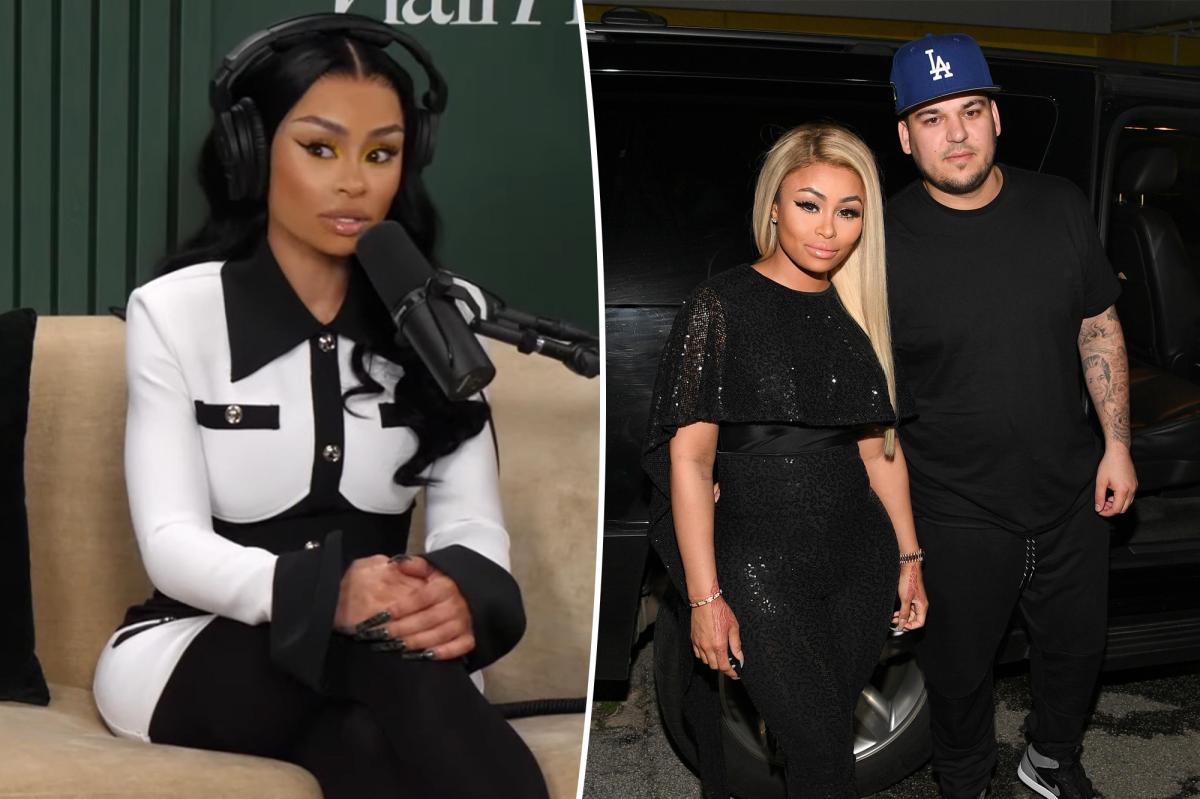
In the glare of paparazzi flashes and social‑media headlines, Blac Chyna found herself confronting a new, silent crisis—an unresolved tax debt that has followed her since the days when Rob Kardashian's $20,000‑a‑month child‑support payments were a source of comfort. Years after those payments ceased, the reality star’s financial woes resurfaced, highlighting the precarious balance between fame, family, and fiscal responsibility.
Blac Chyna, born Angela Renée White, has spent the past decade navigating the high‑profile world of reality television, modeling, and entrepreneurship. Her public life has been punctuated by headline‑making relationships and the birth of children that kept her in the spotlight. When she married Rob Kardashian in 2015, the partnership promised stability and a stream of monthly child‑support that, at first, eased the financial pressures common to many parents in the public eye. But the cessation of those payments in 2017 left a gap that soon widened into a tax problem. The debt has since become a subject of conversation on online forums and in entertainment circles, underscoring how quickly public personas can find themselves entangled in legal and financial snafus.
The tax issue is not merely a matter of dollars; it’s a reminder that the lifestyle of a celebrity can come with hidden obligations. In the world of reality TV, where contracts and endorsements are often negotiated in secret, the line between personal wealth and legal liability can blur. For Blac Chyna, a high‑profile figure with a loyal fan base and a growing portfolio of brands, the recent revelation about her tax debt underscores a broader industry pattern: public figures frequently confront financial headaches that the public only sees through the lens of their glamorous facades.
Background & Context
The root of Blac Chyna’s tax trouble traces back to her time in the Kardashian orbit. During the years of her marriage to Rob, the couple’s joint financial arrangements included substantial child‑support payments that were publicly documented. Those payments, which reached $20,000 per month, helped cover expenses related to their children’s upbringing, education, and extracurricular activities. However, the divorce finalized in 2017 dissolved that arrangement, leaving Blac Chyna responsible for her own financial obligations.
The tax debt that has emerged is tied to a period when her income sources were inconsistent, and her expenses remained high. Reality‑TV earnings can fluctuate, and the costs of running businesses—fashion lines, beauty products, and personal branding—often exceed the revenue that the public sees. In this environment, missed or delayed tax filings can snowball into significant liabilities. Blac Chyna’s situation is not unique; other reality stars have faced similar challenges when the public money does not align with the private accounts.
Industry insiders point to the difficulty of managing finances amid constant media scrutiny and evolving brand deals. When a high‑profile figure loses a stable income source—such as the child‑support payments from a former spouse—it can create a ripple effect that forces a reassessment of spending and taxation. In Blac Chyna’s case, the loss of that monthly influx may have led to a period where tax obligations were postponed or overlooked, setting the stage for the debt that has now become a headline.
What People Are Saying
The response from fans and commentators has been mixed, reflecting the polarized views that often surround public figures in the spotlight. Some followers express empathy, recalling moments when Blac Chyna spoke candidly about the hardships of raising children on her own and the challenges of building a brand from scratch. They see the tax debt as a natural consequence of a turbulent personal life, and they urge understanding rather than judgment.
Others, particularly in online communities that focus on reality‑TV gossip, are quick to criticize, interpreting the debt as evidence of poor financial stewardship. Comments on social media threads suggest that Blac Chyna’s public image—often portrayed as a glamorous entrepreneur—does not align with the financial mess she now faces. The debate extends beyond her own situation, as some readers question whether the reality‑TV industry’s promotion of wealth and lavish lifestyles can lead to unrealistic expectations and financial missteps.
A handful of commentators note that the public nature of her debt might have a larger impact on her brand. They argue that a sizable tax liability could undermine the authenticity that her audience values. At the same time, there are voices that view this as a learning opportunity for other celebrities, a reminder that even the most successful can encounter fiscal pitfalls if they fail to manage their wealth wisely.
Despite the differing viewpoints, there is a general sense that Blac Chyna’s tax debt is more than just a number; it is a tangible reminder that public success does not automatically protect one from the consequences of financial oversight. The conversation has shifted from speculation to an examination of how personal and professional boundaries intersect and the importance of transparency in managing personal finances.
What Happens Next
The next chapter for Blac Chyna involves navigating the legal processes required to settle her tax debt. While the precise figures remain undisclosed, the gravity of the situation implies that she will need to engage tax attorneys, accountants, and perhaps negotiate a payment plan with the IRS. If the debt is indeed substantial, the resolution could take years and might affect her business operations and personal finances.
The broader impact on her career will hinge on how she handles the public eye during this period. She may choose to address the situation directly through her own media channels, offering a candid explanation and outlining steps toward resolution. This transparency could help mend her relationship with her audience, restoring trust after the controversy. Alternatively, she could opt for a low‑profile approach, focusing on her business ventures while the tax matter plays out in the background.
The entertainment industry will also take notice. Brands that have collaborated with her might reassess their partnerships, and future contracts could include stricter financial clauses or protective measures. This case may spark broader discussions about financial planning for reality‑TV personalities, prompting producers and agencies to incorporate financial literacy training as part of their support systems.
Meanwhile, family dynamics may add another layer of complexity. Blac Chyna’s children’s fathers, particularly if they are still involved in child‑support arrangements, might face legal scrutiny if they feel the tax debt influences their own responsibilities. The resolution of this matter could therefore ripple across personal relationships as well as professional ones.
In the end, the path forward will require a balance of legal strategy, personal reflection, and strategic communication. For Blac Chyna, a figure who has always leaned into the limelight, the challenge will be to transform a public crisis into a narrative of resilience and growth, demonstrating that even when the spotlight dims, a disciplined approach can rekindle the glow.
The unfolding story reminds everyone that behind the glitz and glamour, the realities of finance, family, and fame are intertwined in ways that can surprise even the most seasoned of stars.
The Bottom Line
While it’s easy to speculate on the size of Blac Chyna’s tax debt, the real issue is the warning it sends to both celebrities and their audiences. Fame often conjures an image of effortless prosperity, but this narrative collapses under the weight of real-world fiscal responsibilities. Reality‑TV stars, and public figures more broadly, must confront the stark reality that their earnings are rarely as consistent as the stories they sell. Ignoring tax obligations not only invites legal penalties but also erodes the very authenticity that fans cherish. The public’s reaction—ranging from empathy to condemnation—reveals a growing appetite for accountability over spectacle. Brands partnering with such figures should demand transparency and robust financial oversight, while fans should cultivate a more nuanced understanding of the financial realities behind the glitz. MyWorldPulse.com believes that this episode should catalyze a broader conversation about financial education, responsible branding, and the importance of integrity in the entertainment industry. —MyWorldPulse.com
Reference:
- Blac Chyna’s Instagram post detailing her tax situation
Read more celebrity news at MyWorldPulse.