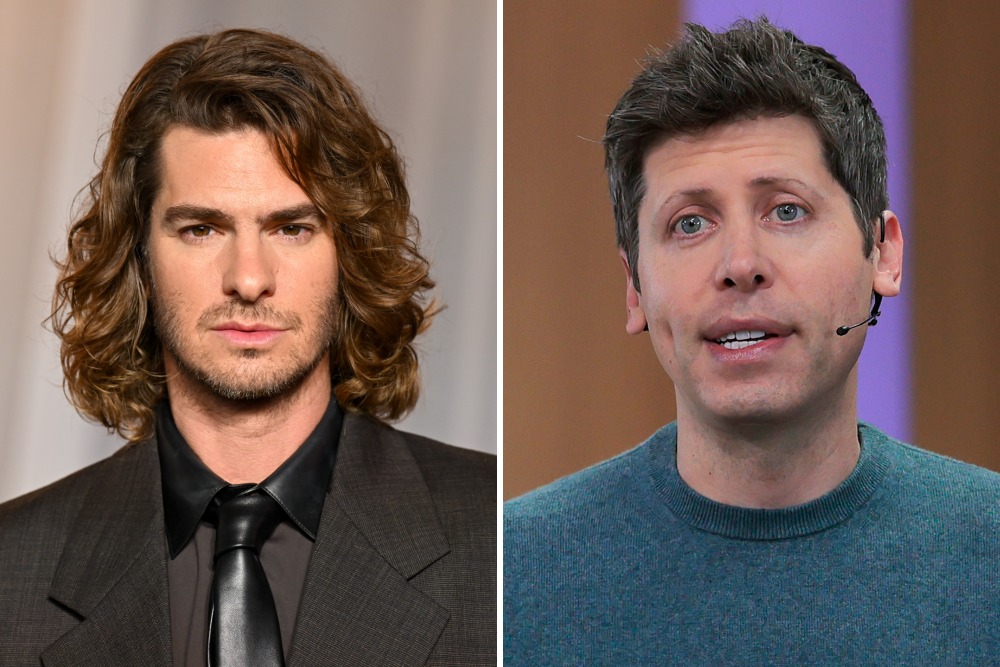
When the headline hit the internet, fans’ emojis went from 🤯 to 😐 in a blink. The clip of Sam Altman, the man who built the world‑wide AI engine, waving to a familiar face at the exterior of his house on the “Artificial” set sparked a flurry of tweets, memes and a chorus of bewildered comments. Andrew Garfield, who portrays the tech mogul in the upcoming film, quickly shot back that he “never had any interaction” with the billionaire, a statement that sent a new wave of speculation across social media.
The moment was almost cinematic in its own right: a screen‑on screen clash between a leading actor and a tech titan, all set against the backdrop of an industry that is increasingly courting artificial intelligence for storytelling. While fans tried to reconcile the footage with the official denial, the conversation shifted to broader themes—how Hollywood navigates collaborations with powerful tech figures, the ethical lines of on‑screen portrayals, and the ever‑present tension between public perception and private reality.
Background & Context
The drama surrounding “Artificial” is the latest example of Hollywood’s flirtation with the tech world. Andrew Garfield, who turned 40 this year, is cast to bring a human touch to a character that represents a machine’s ascent. The film’s premise is steeped in AI ethics and the ramifications of human ambition, making the casting of a real‑life tech leader like Sam Altman an intriguing meta‑layer. Altman, known for founding and leading OpenAI, is a towering figure whose influence on modern culture cannot be overstated. According to the production team, the filming took place outside Altman’s own residence, a detail that added authenticity but also opened the door for the awkward wave that became the subject of the viral clip.
Beyond the silver screen, the entertainment industry is navigating a complex geopolitical landscape. WWE’s Crown Jewel event in Saudi Arabia has been scheduled for Saturday, a date that falls amid ongoing conflict in neighboring Iran. Mark Shapiro, president and COO of WWE’s parent company, has declared the event “firmly going” despite the volatile environment. Fans and critics alike have debated whether entertainment should be a neutral space, or whether it should reflect the world’s political tensions. The decision to proceed illustrates the continued prioritization of global tours and revenue streams over diplomatic concerns, a pattern that echoes the decisions of past years.
In a different vein, the industry has also faced scrutiny over the treatment of child actors. Dafne Keen, who was 11 when she starred alongside Hugh Jackman in the 2017 film “Logan,” recounted receiving Coke at wrap parties during production. She praised the set’s environment for safeguarding her hours and ensuring a fun, respectful experience. The anecdote underscores Hollywood’s ongoing dialogue about protecting young talent, a conversation that has gained momentum after high‑profile cases of exploitation. By highlighting the presence of supportive crew members, Keen’s story offers a counterpoint to the more troubling narratives that frequently dominate public discourse.
Finally, the world of superhero cinema remains in flux. Scarlett Johansson, a seasoned actress with a prolific career across franchises, recently revealed that her role in “The Batman: Part II” was a source of existential angst. The “hard to figure out” nature of her character’s arc reflects the shifting expectations of actors who move between established universes—Marvel and DC Studios—without compromising their artistic integrity. Johansson’s candid admission speaks to the increasing psychological demands placed on performers navigating high‑stakes, high‑budget productions that often blend genre conventions with character depth.
What People Are Saying
Social media erupted almost instantly after Garfield’s statement surfaced. Some fans expressed disbelief that a prominent figure could deny any interaction with the CEO of one of the world’s most influential tech companies. Others, wary of the potential for a PR stunt, pointed out that “Artificial” is a story about the intersection of human creativity and AI, and that the actor’s on‑screen portrayal required a level of personal engagement that might have been hard to replicate through a mere wave. The conversation soon broadened to include broader concerns about authenticity in films that tackle cutting‑edge technology, and whether casting real industry leaders can both add depth and risk misrepresentation.
WWE’s decision to hold Crown Jewel drew a mixed reaction from fans and commentators. Many praised the company for maintaining its schedule and ensuring that fans in Saudi Arabia could experience live wrestling entertainment. Others questioned the moral implications of conducting a major sporting event amid regional conflict, arguing that the company’s presence could be perceived as tacit approval of the status quo. A thread on wrestling forums highlighted how corporate decisions like this can influence fan perception, sometimes turning a simple event into a statement about broader geopolitical engagement.
The revelations from Dafne Keen struck a chord among parents and youth advocates, who applauded the emphasis on child safety during production. Her mention of being offered Coke at wrap parties—an otherwise innocuous detail—served to humanize the production environment, making it more relatable to audiences. A group of theater and film educators used the anecdote in workshops, emphasizing the importance of maintaining safe, age-appropriate conditions on set. While the industry has long acknowledged the need for child labor protections, Keen’s testimony adds a layer of personal authenticity that underscores the benefits of a supportive production culture.
Scarlett Johansson’s admission of existential angst resonated with fans of the “Batman” franchise and the broader superhero genre. Her comment that the role was “hard to figure out” sparked online discussions about the challenges actors face when stepping into established characters with long histories. The dialogue also touched on the evolving nature of superhero narratives, where depth and psychological complexity are becoming increasingly central. Commentators noted that Johansson’s frankness about the mental toll of such roles signals a shift towards a more nuanced portrayal of actors’ experiences in blockbuster productions.
What Happens Next
For Garfield, the fallout from the “Artificial” incident is unlikely to derail his career. The film itself is set to premiere next summer, and early reviews suggest that his performance will be evaluated on its merits rather than on off‑screen controversies. Meanwhile, the relationship between Hollywood and tech entrepreneurs may see a subtle recalibration. If producers take heed of the concerns raised by this incident, we may see more stringent protocols in place to manage on‑set interactions between actors and high‑profile tech figures, ensuring that the creative process remains transparent and collaborative.
WWE’s Crown Jewel will go ahead as planned, with ticket sales and broadcast agreements already in place. The company has pledged to maintain safety protocols for all participants, and it remains to be seen how the global audience will respond to the event in light of the surrounding conflict. The decision also highlights WWE’s broader strategy of expanding into international markets, a move that may both attract new viewers and invite scrutiny from those who view entertainment as a platform for political commentary.
The industry’s approach to child actors will likely evolve in response to both regulatory pressure and public sentiment. If more stories like Dafne Keen’s are amplified, we might witness stricter enforcement of set policies and increased transparency regarding working hours and safety measures. Hollywood’s ability to self‑regulate will be under the microscope, as the balance between artistic freedom and child protection continues to be a delicate dance.
Scarlett Johansson’s experience with “The Batman: Part II” may influence casting decisions and actor support structures in upcoming superhero projects. Directors and producers might now prioritize psychological preparedness for roles that demand significant emotional investment, potentially integrating counseling and debriefing sessions into production timelines. Her candid discussion could pave the way for a broader industry dialogue on mental health support for actors.
In the end, the tapestry of Hollywood—woven from AI narratives, geopolitical events, child‑actor protection, and superhero storytelling—remains as vibrant and complex as ever. The industry’s capacity to adapt to new challenges while maintaining its creative spark will determine how these stories resonate with audiences tomorrow.
The Bottom Line
The wave that started it all was more than a simple greeting; it was a lightning‑fast lesson in the power of perception. Hollywood’s partnership with tech titans may bring fresh storytelling possibilities, but it also invites scrutiny that can amplify the slightest misstep. Andrew Garfield’s outright denial—an unexpected counterpoint to the spectacle—highlights the importance of clear boundaries and transparent communication on set. Audiences today are not just passive consumers; they are participants in a living conversation, able to dissect every interaction in real time. That level of engagement means studios must prioritize authenticity, ethical standards, and respect for both public figures and the viewers who expect honesty. As the industry pushes further into AI‑driven narratives, it must do so with a renewed commitment to integrity, ensuring that the human element remains grounded in truth rather than spectacle. In short, the wave incident is a cautionary tale: when reality collides with fiction, the consequences ripple far beyond the screen, affecting careers, public trust, and the very fabric of storytelling.
Reference:
- Andrew Garfield's Instagram statement
- Sam Altman's official tweet
Read more celebrity news at MyWorldPulse.