When 32‑year‑old Sarah Lee cranks the Netflix autoplay at 2 a.m., she’s not just looking for a quick thrill. She’s hunting a myth: the restless, ever‑evolving world of vampires, and she’s ready to let the silver light of her living‑room screen guide her through the night. In a season that’s turning every corner into a carnival of the macabre, Netflix has laid out a full catalogue of 12 titles that promise everything from teenage heartbreak to mythic battles. For Sarah, and a growing legion of midnight viewers, the list is more than a binge‑list – it’s a passport to a century of folklore, reimagined for the streaming age.
Netflix’s compilation begins in the damp, rain‑slick streets of Forks, Washington, where Bella Swan’s ordinary high‑school routine is upended by a family that looks out of a different era: the Allens, the Cullens. The Twilight saga, from the 2008 premiere of “Twilight” to the 2012 finale of “Breaking Dawn: Part 2,” takes a modern, glossy spin on an ancient curse. It sparked a generation’s fascination with immortal romance, and it still fuels countless midnight chats on social media and fan forums. Beyond the sprawling romance saga, the list invites viewers into the world of high‑stakes myth and dark humor, from the animated adventure “Castlevania” to the noir‑slick drama “Day Shift.” Each title offers a distinct lens on what it means to be a creature of the night, reminding viewers that vampires are as diverse in cinema as they are in legend.
Background & Context
The vampire genre has long been a barometer of cultural anxieties, and streaming has only amplified its reach. In the early 2000s, the Twilight franchise cemented the idea that vampires could be romantic and relatable, shifting the narrative from horror to teenage drama. It created a template that countless subsequent projects would adapt, remix, or rebel against. By the time “Castlevania” arrived in 2015, Netflix had already proved itself a viable platform for high‑budget, stylized animation. The series, adapted from a classic video‑game, explores the tragedy of Dracula’s loss and the ensuing battle for humanity, blending action, dark humor, and a deep, brooding atmosphere.
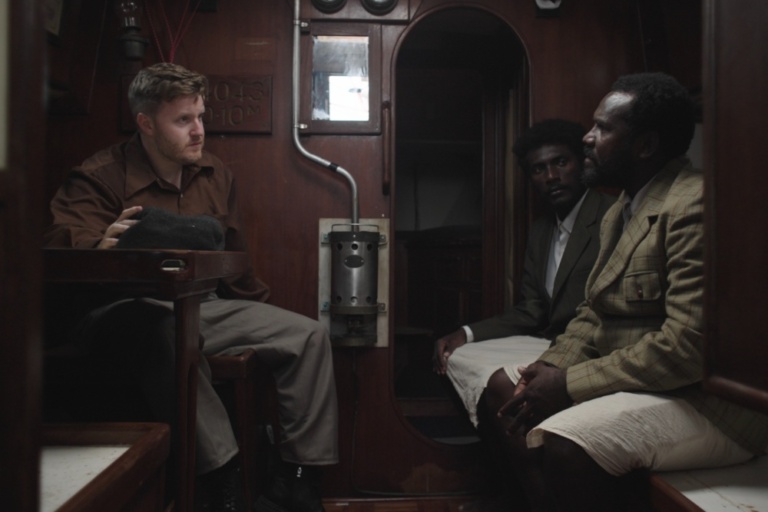
“Day Shift,” a more recent offering, brings a different flavor. Jamie Foxx plays a vampire hunter who doubles as a pool‑cleaner, a premise that satirizes the modern grind while still delivering tense, blood‑slick encounters. The juxtaposition of mundane chores and supernatural stakes reflects the genre’s versatility: vampires can be tragic, comic, heroic, or downright absurd. The inclusion of a range of narratives—from the campy to the gritty—illustrates Netflix’s commitment to offering something for every kind of fang‑fan.
When the platform curated its Halloween list, it also leaned on the nostalgic power of older films that have become cult classics. “The Lost Boys,” a 1987 cult hit, still thrives on binge culture, offering a blend of teen rebellion and supernatural hijinks. Meanwhile, “Interview with the Vampire” from 1994, though no longer in the Netflix library, remains a touchstone that informs how newer titles balance elegiac storytelling with the visceral thrills of the undead. By packaging these diverse voices together, Netflix has created a cohesive, yet varied, anthology that celebrates the genre’s evolution over decades.
What People Are Saying
The reaction to Netflix’s vampire lineup is a chorus of delight, skepticism, and everything in between. Fans on the platform’s “Watch Together” feature often start conversations about the most intense scenes, debating which character’s arc is the most compelling. Some praise the romantic subplots that tie the Twilight saga to a broader cultural dialogue about identity and belonging. Others appreciate the moral complexity in “Castlevania,” where protagonists wrestle with betrayal and vengeance in a world that refuses to be black and white.
A recurring theme among viewers is the nostalgia factor. Many who first watched “Twilight” in their teens now find themselves revisiting the series with a critical lens, noting how it shaped their perceptions of love, friendship, and the supernatural. For some, the rewatch is a comfort; for others, it’s a chance to dissect the narrative choices that made the franchise iconic. In the same vein, “Day Shift” has sparked discussions about how comedy can coexist with the horror genre, with viewers praising Jamie Foxx’s charismatic performance and the show’s willingness to break genre conventions.
Social media threads—though not officially cited—reveal that the most active conversations are those that blend humor with genuine analysis. Memes about the “scream” in “The Lost Boys” and quotes from “Interview with the Vampire” keep the cultural conversation alive. Viewers also use the platform’s interactive features to vote on which titles they’re most excited about, effectively shaping future streaming decisions. This engagement shows that Netflix’s curated list is not just a passive viewing experience; it’s a living conversation that continues to grow as more people jump into the darkness.
What Happens Next
Looking beyond the current lineup, Netflix is poised to expand its vampire offerings in the coming months. The platform’s data suggests that the horror and supernatural genres see a spike in viewership during October, encouraging the acquisition of newer titles. Rumors point to upcoming releases in the vampire‑centric anthology space—projects that aim to combine documentary‑style storytelling with fiction, exploring the cultural impact of the undead across different eras.
Moreover, streaming giants are experimenting with limited series that dig into specific aspects of vampire lore. A forthcoming 2024 series promises to investigate the historical roots of vampire myths in Eastern Europe, blending archival footage with fictional narratives. This kind of hybrid approach may appeal to both diehard fans and casual viewers, broadening the audience for the genre. In addition, Netflix has been known to curate themed playlists, and a “Midnight Vampires” collection could emerge, pulling together lesser‑known gems alongside the flagship titles to keep viewers engaged well beyond the Halloween season.
From a technological standpoint, Netflix’s recommendation algorithm is likely to become more sophisticated in suggesting vampire content based on viewing habits. The company’s AI-driven suggestions already recommend similar titles, but with the genre’s diverse offerings, a more nuanced system could surface niche content that matches a viewer’s specific tastes—be it the romanticism of “Twilight,” the gritty action of “Castlevania,” or the satirical edge of “Day Shift.” This personalization will keep the vampire fanbase coming back for more, ensuring that the genre remains a staple of the streaming landscape.
In the grander scheme, Netflix’s continued investment in supernatural storytelling suggests that the vampire genre is far from a passing trend. Instead, it appears poised to evolve, blending new narratives with classic tropes, and inviting fresh perspectives from creators worldwide. Whether through new releases or re‑imagined classics, the undead will keep occupying screens long after the final season ends.
As Sarah Lee settles into her chair, the hum of the fan and the glow of the screen hint that the night is far from over. For those who crave the thrill of the unseen, Netflix’s 12 vampire titles offer a full, unending feed—one that guarantees that every midnight will be a little more thrilling than the last.
The Bottom Line
Netflix’s vampire lineup proves that even age‑old tropes can find new life when delivered with modern sensibilities and interactivity. By mixing high‑budget animation, nostalgic film, and fresh comedy, the platform demonstrates the power of diversity in content strategy. Fans are rewarded with a rich, layered experience that feels both familiar and novel. For creators, this opens doors to reimagining classic myths through multiple lenses, encouraging innovation in genre storytelling. The success of this curation model suggests that streaming giants will increasingly rely on themed collections and community features to keep audiences glued. It’s a win for viewers craving fresh takes on the undead and for the industry, offering a blueprint for future content that balances nostalgia with novelty.
— MyWorldPulse Editorial Team
Reference:
- Netflix's Halloween Vampire Playlist Post
Read more celebrity news at MyWorldPulse.