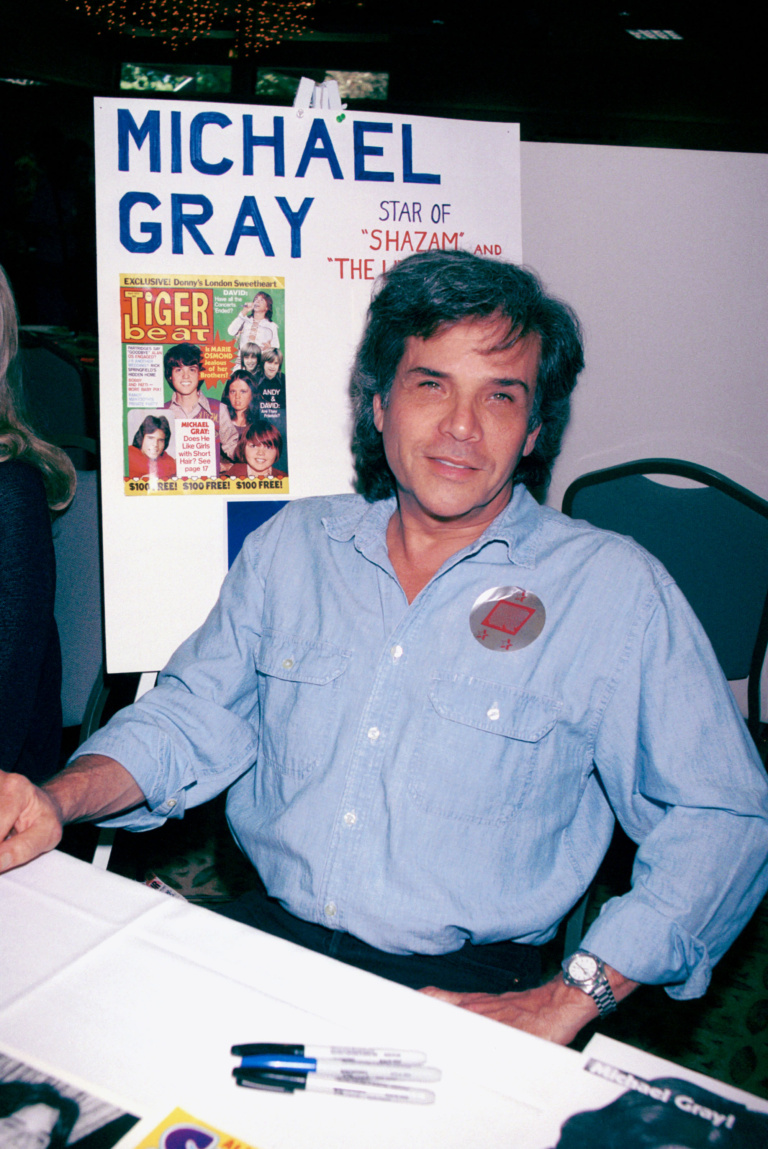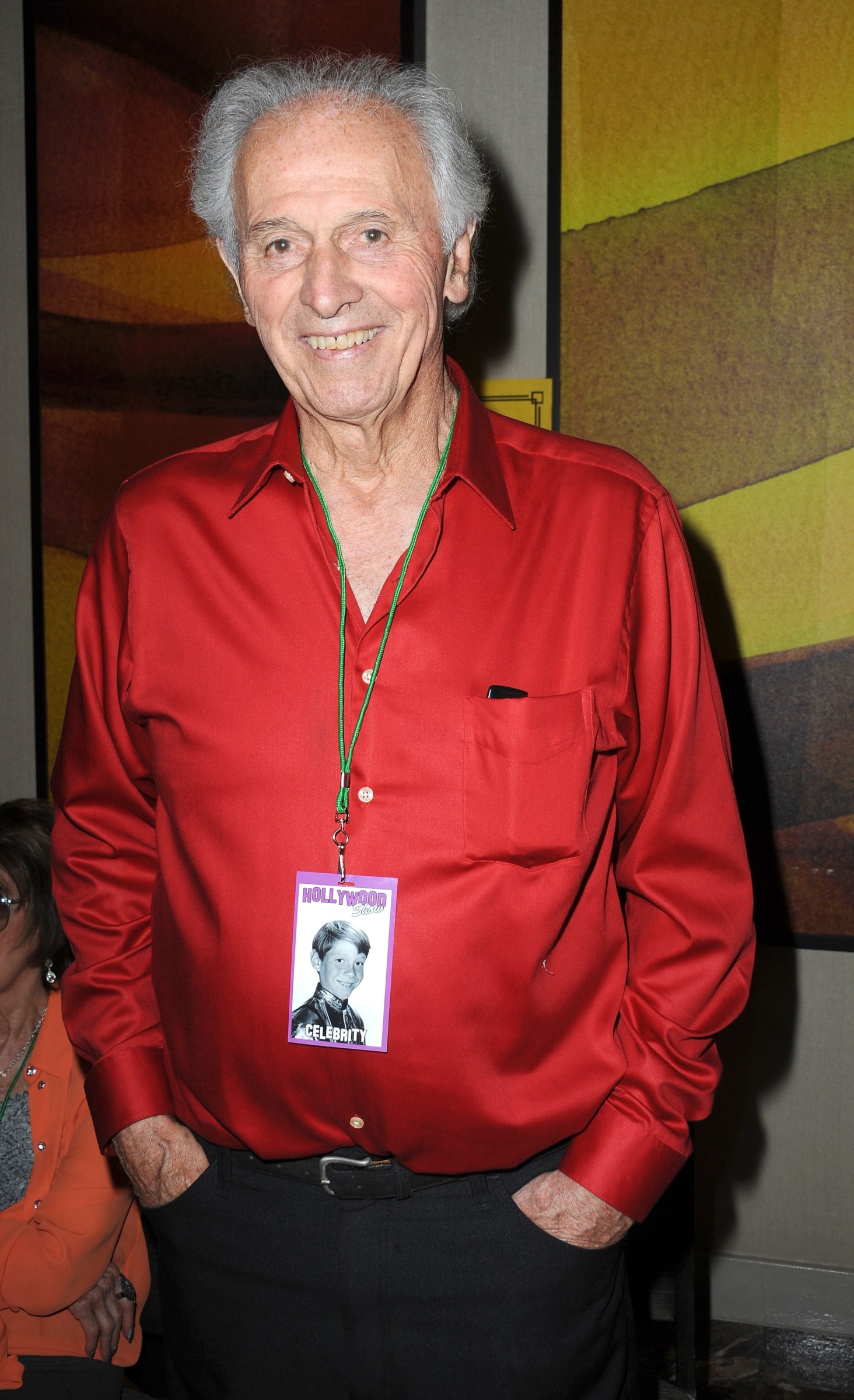
The world of television paused when the name Michael Forest, the man who brought Greek myth to a space‑faring crew, was announced as having passed away at 97. Fans of the original “Star Trek” series felt the loss acutely, recalling his brief yet memorable performance as Apollo in the 1967 episode “The Devil in the Dark,” a role that turned a simple villain into a legend in the fandom’s collective memory.
Forest’s career, spanning seven decades, defied easy categorization. Beyond the brief burst of stardom that came with “Star Trek,” he carved a niche as a prolific character actor, taking roles in Roger Corman’s cult B movies, lending his distinctive voice to dozens of anime adaptations, and guest‑starring across a wide swath of television—from the early days of “The Adventures of Rin Tin Tin” to late‑night “Silk Stalkings.” His work was proof of the versatility of an actor who never let a single genre confine him.
The announcement, released early on Monday, came as a quiet email from his longtime publicist, which prompted an immediate flood of messages from viewers, colleagues, and industry peers. Social media platforms lit up with nostalgic screenshots of his most iconic scenes and tributes from fans who grew up watching him on their screens. Though the news was a blow, it also sparked a renewed appreciation for the breadth of his contributions to entertainment.
Background & Context
Michael Forest was born on June 20, 1927, in the small town of Kittrell, North Carolina. His journey to Hollywood began in the 1950s, when he moved to Los Angeles seeking opportunities in a rapidly expanding television landscape. His first credited role appeared in the 1954 episode “The Adventures of Rin Tin Tin,” marking the start of a steady stream of guest spots that would become his signature.
The defining moment of his career came with his casting as Apollo in “Star Trek’s” season one episode “The Devil in the Dark.” The show, then a fresh venture into science fiction, presented Forest with a unique chance to embody a character rooted in ancient mythology while confronting contemporary themes of greed and hubris. Despite only appearing in one episode, Apollo became an instant fan favorite, with fans recalling his dramatic exit, where the alien entity he controlled ultimately met a dramatic end—an emotional moment that would echo in the series’ lore for decades.
Following his “Star Trek” appearance, Forest became a go-to character actor for B movies directed by Roger Corman, a prolific filmmaker known for low-budget cult classics. His roles ranged from the eerie to the comedic, and he quickly became a staple in the director’s ensemble of reliable, versatile performers. This period also saw Forest expand his skill set into voice work, where he found a niche in the booming anime industry of the 1980s and 1990s. His deep, resonant voice lent gravitas to numerous characters in adaptations of Japanese classics, further cementing his reputation as a versatile performer.
Beyond film and anime, Forest’s television résumé reads like a timeline of American pop culture. He appeared in “The Twilight Zone,” “The Dick Van Dyke Show,” “Silk Stalkings,” and a variety of daytime soaps, each role showcasing his adaptability. In many ways, Forest’s career mirrored the evolution of television itself—from live studio broadcasts to the era of binge‑watchable streaming—always with a familiar presence that viewers could trust.
What People Are Saying
The immediate reaction to Forest’s passing was one of quiet reverence. Long‑time fans of “Star Trek” posted clips of Apollo’s dramatic final moments, noting how the character’s death was a turning point for the series’ exploration of moral complexity. Some viewers reflected on how Forest’s performance humanized the alien threat, allowing audiences to feel empathy for a creature that ultimately suffered as a consequence of human ambition.
Colleagues from the B‑movie circuit also shared memories of working alongside him. Actors who shared the sets of Roger Corman’s productions recalled his professionalism and his habit of injecting subtle humor into scenes that were otherwise tense. One fellow actor, speaking anonymously, said that Forest’s presence always lightened the mood during long shooting days, a small kindness that became a hallmark of his work ethic.
Voice actors and anime enthusiasts also expressed gratitude for Forest’s contributions to the genre. A former director of an anime adaptation noted that Forest’s voice added a layer of authenticity that resonated with both Western and Japanese audiences. His ability to convey emotion through tonal nuance made him a sought‑after voice in a field that demanded versatility across cultural boundaries.
Despite the passage of time, the community of fans continues to celebrate Forest’s legacy by revisiting his work. Streaming platforms saw a spike in viewership for the original “Star Trek” series, and retrospectives on B‑movie classics highlighted his performances, reminding new audiences of the depth he brought to each role. In a way, the outpouring of admiration underscores the enduring impact of a performer who, though never a household name, left an indelible mark on the industries he touched.
What Happens Next
The entertainment industry, while recognizing Forest’s passing, will likely continue to honor his memory through retrospectives and anniversary celebrations. The “Star Trek” franchise, which has long revered its classic cast, may include a dedicated tribute in upcoming special editions of the original series. Additionally, the B‑movie community, with its dedicated fan base, could organize screenings of the films in which Forest appeared, ensuring that his performances remain accessible to both longtime devotees and newer audiences.
From a broader perspective, Forest’s career serves as a reminder of the importance of supporting roles in the creative ecosystem. His longevity demonstrates how character actors can shape narratives without the spotlight, providing depth and authenticity that elevate entire productions. Industry professionals may look to his trajectory as an example of how versatility and dedication can sustain a career across shifting media landscapes.
Looking ahead, the archival footage of Forest’s work is likely to be curated for future documentaries that examine the golden era of television and the B‑movie revival. These projects could feature interviews with surviving collaborators, offering deeper insights into the making of some of the most beloved series and films of the twentieth century.
In a world where star power often overshadows the craft behind the camera, Michael Forest’s life reminds us that every role—no matter how small—has the power to resonate. His passing invites a collective reflection on the countless unseen talents that have helped shape the stories we cherish.
The final curtain may have closed on Michael Forest’s life, but his performances, the myths he helped retell, and the quiet professionalism he embodied will continue to echo in the halls of classic television, film, and voice acting for generations to come.
The Bottom Line
Michael Forest’s passing is a quiet but powerful reminder that the heart of any story lies in the depth of its supporting characters. His career—spanning cult B‑movies, voice‑over work, and memorable television guest spots—illustrates the incredible range and resilience required of character actors who rarely receive the spotlight but consistently enrich narratives. For the industry, his legacy offers a blueprint: longevity comes from versatility, professionalism, and the willingness to inhabit diverse roles. For audiences, Forest’s story encourages a broader appreciation of the craft beyond leading roles, urging us to recognize and celebrate the countless unsung talents that bring our favorite stories to life. As streaming platforms and studios increasingly revisit classic content, they should also honor these performers by curating retrospectives that foreground their contributions, ensuring that the legacy of actors like Michael Forest remains vibrant and inspirational for generations to come.
— The MyWorldPulse Editorial Team
Reference:
- Official post on Michael Forest's verified social media account
Read more celebrity news at MyWorldPulse.