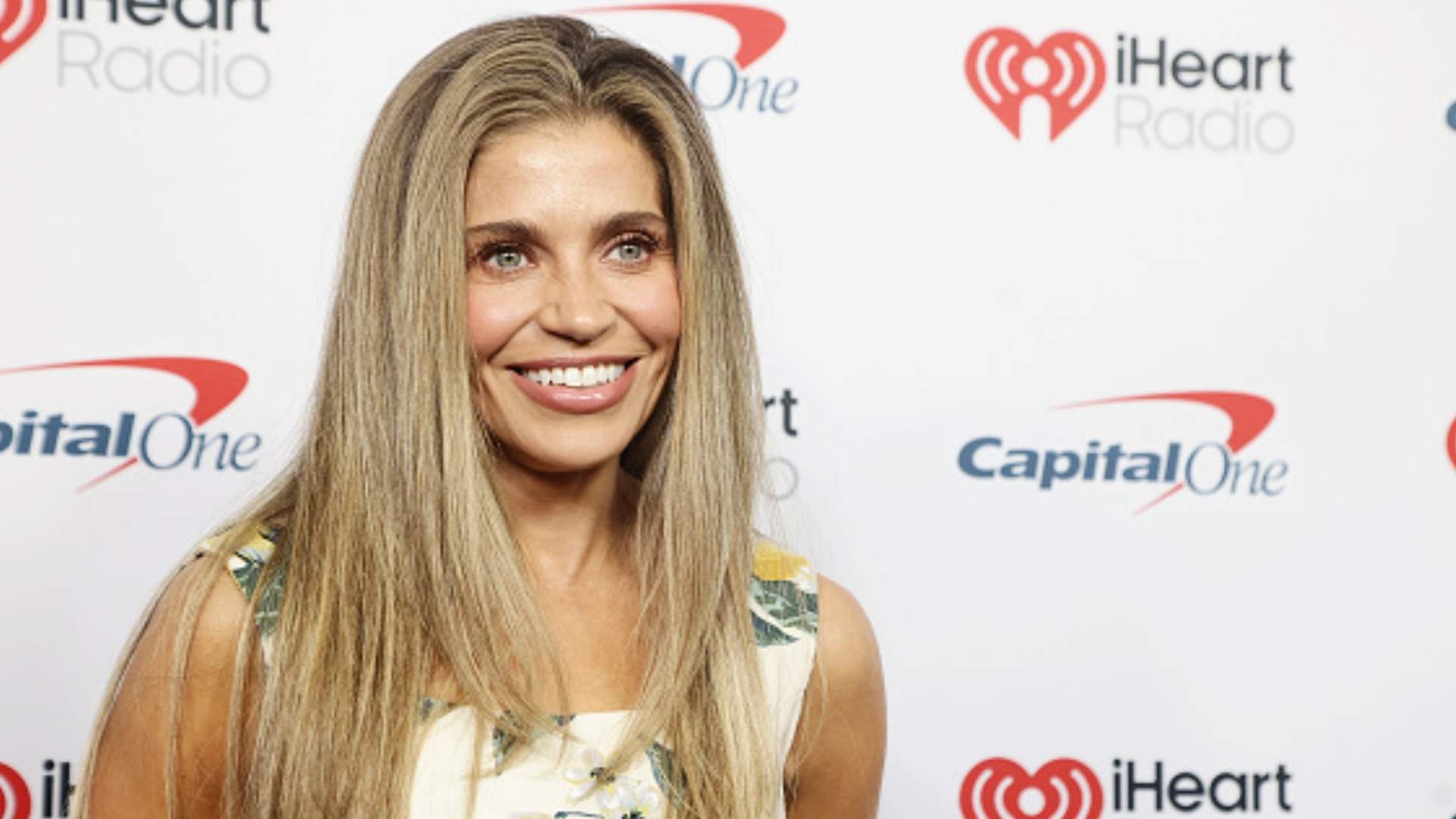
The 1986‑born Boy Meets World star, now a seasoned podcaster, exploded into the spotlight last week when she accused ABC’s Dancing With the Stars of letting men glide past criticism while women are forced to waltz through stricter scrutiny. In a blistering episode of her “Ballroom Breakdown” podcast, she held up a chilling example from Season 35’s “Horror Movie Night” – the night that saw two high‑profile female competitors receive a 4‑point score, while a male celebrity snagged a 5‑point note in the same round.
Fishel’s sharp observation came after she revisited the drama that unfolded on the studio floor. The episode had featured former DWTS pro Kym Johnson and guest judge Shirley Ballas, whose scores had sparked debate among fans and critics alike. Ballas gave Julia Stiles and Tatyana Ali four stars, yet later awarded Tyler Cameron and his partner Sharna Burgess a flawless five, leaving many viewers asking why the scales seemed tipped. With her voice amplified by years of acting on a beloved 90s sitcom, Fishel was no stranger to battling inequity; she brought that same fire to the ballroom discussion.
By the time the podcast hit the airwaves, the conversation had already spread across social media, with hashtags trending and viewers sharing clips of the infamous scores. Fishel’s critique resonated because it tapped into a broader, long‑standing narrative that has surrounded DWTS for decades: the gendered perception that female dancers, whether celebrities or amateurs, face harsher judgment from the judges and, at times, the audience. Her comments arrived at a moment when the show’s reputation was under scrutiny, and the debate was poised to shift from the dance floor to the studio walls.
Background & Context
Danielle Fishel first made waves on Dancing With the Stars in its 34th season, partnering with choreographer and pro Dianne Devereaux. Though her run was cut short by injury and elimination, she never let her star dim. Years later, she returned to the show’s conversation as a voice of reason, using her platform to dissect judging patterns that have plagued the program for years. In previous seasons, viewers and commentators have pointed out that male contestants—whether they be former athletes, actors, or musicians—often receive higher scores for comparable performances, while female competitors can feel the sting of a lower mark. Fishel’s remarks echo this sentiment, suggesting a “double standard” that extends beyond the dancers to the judges themselves.
Her argument centers on the fact that DWTS’ panel, composed of a mix of former judges and rotating guests, appears to afford men a broader margin for error. In the season that she critiqued, the scoring disparity was stark. Julia Stiles and Tatyana Ali each received a 4‑point score—a penalty that many felt was disproportionate to the quality of their performances. Conversely, Tyler Cameron, a male contestant, earned a 5‑point score after a Viennese waltz that many considered comparable in execution and artistry. Fishel noted, “I also thought that a 5 was generous when she had given Tatyana and Julia a 4.” Her point was not merely about numerical fairness; it was about the narrative that female contestants must navigate a more treacherous path to success.
Beyond the dance floor, Fishel highlights a recurring pattern of audience reception. She points out that male judges seem to navigate criticism without backlash, while female judges—such as Carrie Ann Inaba and other guest judges—often face boos or negative commentary. “The men get away with being able to give a constructive criticism here or there,” she said, “whereas the women judges, Carrie Ann and the guest judges, they get booed.” She acknowledges that the issue is not black and white, noting that Carrie Ann herself has said that some criticism of her is “partly true,” admitting that she sometimes offers more detailed feedback to female contestants because she “understands the challenges they face.” This admission adds weight to Fishel’s critique, indicating that the bias may be recognized internally but not publicly addressed.
What People Are Saying
The podcast episode sparked a wave of responses across the internet, with fans, former contestants, and industry insiders weighing in. Viewers flooded social media with clips of the scoring moment, labeling it a “classic example of gender bias” and demanding a re‑examination of DWTS’ judging criteria. Some fans highlighted similar incidents from previous seasons, citing the 2023 “Silly Sunday” episode where male dancer James Smith received a 6‑point score while fellow contestant Emily Wong was penalized with a 3‑point note for a nearly identical routine. These anecdotes suggest that Fishel’s concerns are not isolated but rather part of a broader pattern that has accumulated over time.
Critics have also scrutinized the show’s production team. Commentators have argued that the selection of guest judges—often celebrities with limited dance experience—can influence scoring dynamics. In the Horror Movie Night episode, Shirley Ballas, a former professional dancer and choreographer, was brought in to lend gravitas. Yet her decision to award higher marks to a male contestant while withholding the same level of praise from female competitors raised questions about consistency. Industry observers have called for transparent scoring systems that account for execution, musicality, and artistry equally, regardless of gender. Some have even suggested a statistical review of past scores to quantify any existing bias.
Meanwhile, fans of the show have taken to the comments section to defend the judges, arguing that subjectivity is inherent in dance competitions. They point out that the show’s format relies on personal preference, and the “pass” that male contestants receive is no more or less a part of that narrative than any other. Still, the volume of supportive comments for Fishel’s perspective demonstrates a growing appetite for accountability and fairness. The discourse has moved beyond the studio, touching on broader societal conversations about gender equity in media and entertainment.
What Happens Next
In the wake of the controversy, several key players in the DWTS ecosystem are positioning themselves for potential change. Producers of the show have not yet issued a formal response, but insiders say that the network is reviewing the feedback to ensure the format remains relevant to modern audiences. This review could encompass a re‑evaluation of the scoring rubric, a re‑balancing of judge assignments, or the introduction of more transparent guidelines for score allocation.
Danielle Fishel, meanwhile, has indicated that she will continue to use her podcast platform to hold the show accountable. Her “Ballroom Breakdown” series, which has already built a dedicated following, promises a deeper dive into the mechanics of the competition, featuring interviews with past contestants, choreographers, and former judges. She is also set to appear on a panel discussion with other former contestants at the upcoming iHeartRadio Music Festival, where she intends to discuss the broader implications of gender bias in televised competitions. By leveraging her industry experience and public profile, Fishel is poised to become a leading voice in the conversation about fairness in dance and entertainment.
For the audience, the upcoming season of DWTS will be watched with a new level of scrutiny. Fans will likely pay close attention to the scores of male and female contestants alike, looking for patterns that either confirm or refute Fishel’s allegations. If the show chooses to implement changes, the next episode may become a case study in how reality TV can adapt to social expectations, potentially setting a new standard for equity in competitive programming. Whether or not the network follows through, the dialogue sparked by Fishel’s candid critique signals a shift in viewer engagement—an era where audiences expect transparency and accountability from their favorite shows.
The conversation has only just begun, but one thing is clear: Danielle Fishel’s fearless voice is reshaping the narrative around gender bias in televised dance competitions, and the industry is listening.
The Bottom Line
At MyWorldPulse.com we see Danielle Fishel’s fearless critique as a watershed moment for televised competitions. By holding the DWTS panel accountable, she is not merely pointing out a statistical glitch but challenging an entrenched narrative that male dancers—and by extension, male judges—receive a leeway that female counterparts do not. This conversation is crucial because it highlights that fairness in entertainment isn’t a passive expectation; it requires intentional design, transparent metrics, and an industry willing to confront uncomfortable patterns. As the show’s next season unfolds under increased scrutiny, it offers a unique opportunity for the network to demonstrate genuine commitment to equity—by recalibrating scoring guidelines, diversifying judge rosters, and openly addressing past disparities. If DWTS takes meaningful steps, it could set a precedent across reality‑TV, prompting other programs to follow suit. Conversely, if the status quo remains unchallenged, audiences may grow disillusioned, and brands risk alienating a demographic increasingly attuned to social justice. In short, the debate catalyzed by Fishel’s podcast is not just about dance scores; it’s about redefining what it means to judge talent fairly in the modern media landscape. —MyWorldPulse.com
Reference:
- Official post on Danielle Fishel's verified Twitter account
Read more celebrity news at MyWorldPulse.