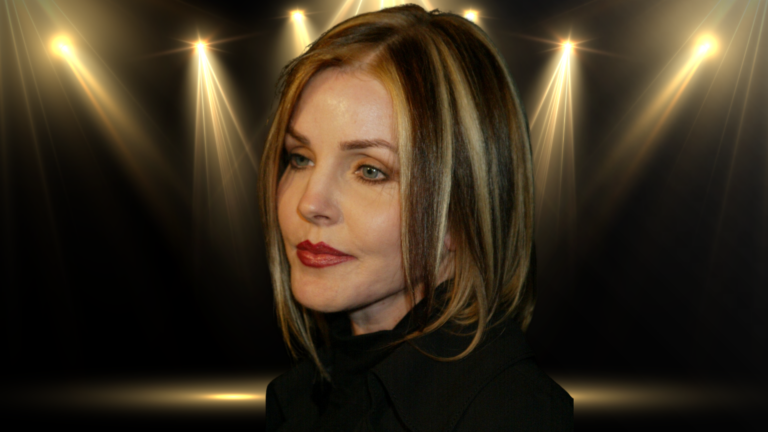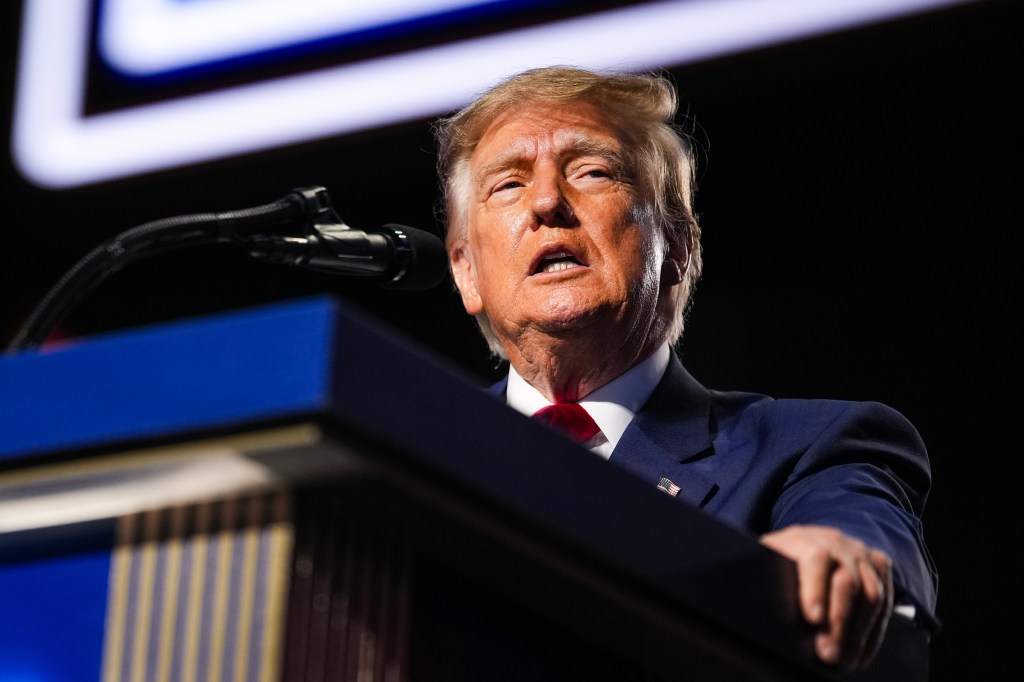
The news first broke early Friday as Beni Rae Harmony, a familiar face in the White House press pool, was photographed beside President Donald J. Trump on a flight to Ireland, clutching a stack of papers that bore her name in bold. The image quickly spread across social media, sparking a wave of disbelief and speculation. Fans and journalists alike scrambled to piece together the story: a president, once known for his fierce opposition to mainstream media, had quietly recruited one of their own. In the same breath, the administration’s legal team filed a lawsuit asserting that Trump had the authority to exclude CNN, MS NOW and Politico from the White House, citing a failure to meet “minimum requirements of professionalism.” The juxtaposition of a former press liaison now on the president’s inner circle and the legal battle over access sent shockwaves through the newsroom.
Harmony’s new affiliation comes amid a broader crackdown on what Trump’s administration calls “unprofessional” coverage. Earlier this month, a federal judge granted a temporary restraining order that forced the White House to restore the reporting privileges of the three outlets, a win for the press corps that has been fighting for months. The DOJ’s brief, filed in a hurried motion, argues that the president has the legal prerogative to bar outlets that do not meet professional standards, a claim that has been met with sharp rebuttals from journalists and civil‑liberties advocates alike. The stakes are high: access to the Oval Office has long been a cornerstone of a free press, and any attempt to deny that access raises constitutional questions that have been debated since the first press briefings in the early 19th century. The current situation, with a key insider now aligned with the president, adds a new layer of intrigue to an already fraught dynamic between the executive branch and the media.
In the days that followed, social media erupted. Hashtags like #HarmonyJoinsTrump and #WhiteHousePressFrenzy trended in rapid succession. Some commentators praised the move as a strategic win for the administration, while others decried it as a betrayal of journalistic integrity. The White House, meanwhile, remained tight‑lipped, offering only a statement that the president was “revisiting the structure of his press team to better serve the administration’s mission.” Across the spectrum, observers noted the irony of a president, who has consistently labeled CNN, MS NOW and Politico as “fake news,” now employing a reporter from that very group. As the legal battle over access continues, the question that looms is whether Harmony’s new role will be a footnote or a watershed moment in the relationship between the presidency and the press.
Background & Context
The White House press pool has long been the gateway through which journalists access the presidency, allowing reporters to gather information, conduct interviews, and hold officials accountable. Traditionally, the pool has been composed of a broad spectrum of mainstream outlets, ranging from national dailies to local newspapers and digital platforms. Over the years, the composition of the pool has reflected shifting media landscapes, but the core principle has remained: a press corps with a collective right to access the executive branch.
Beni Rae Harmony, a seasoned journalist who began covering federal policy in the early 2000s, had become a staple of the White House beat. Her coverage of domestic policy, especially during the Trump administration, earned her recognition within journalistic circles. In September, she was photographed beside President Trump on a flight to Ireland, clutching a stack of briefing papers bearing her name prominently. The image suggested a level of intimacy uncommon among reporters and the president, indicating that Harmony might be moving into a role that goes beyond mere observation.
The DOJ’s claim that the president can bar outlets that fail to meet minimum professional standards is not without precedent. In past administrations, executive orders and policy directives have altered access for specific groups or individuals. However, the legal boundaries of such power are contested, particularly when the excluded outlets are major news organizations. The recent temporary restraining order, granted by a federal judge, forced the White House to restore the reporting privileges of CNN, MS NOW and Politico. The judge’s decision underscored the judiciary’s willingness to check executive overreach, especially when it impacts press freedom. This legal tug-of-war has highlighted an evolving tension between a president’s desire for control over the narrative and the press’s role as a watchdog.
Industry analysts note that the situation reflects a broader trend: the politicization of media access and the increasing use of legal tools to shape the flow of information. The DOJ’s brief, filed on a Tuesday, argues that the president can enforce a “minimum requirement of professionalism” to exclude outlets that, in the administration’s view, fail to uphold journalistic standards. Critics argue that this standard is vague and could be applied selectively to suppress dissenting voices. The outcome of the legal dispute will likely set a precedent for future administrations and influence how news organizations negotiate access and maintain independence.
What People Are Saying
The reaction among journalists and the public has been swift and divided. Many reporters see Harmony’s new alignment as a betrayal. In a recent editorial, a senior columnist from a major outlet wrote, “When a reporter chooses to side with a political figure who has routinely attacked the very profession that shaped them, it signals a loss of objectivity.” The sentiment is echoed by many on social media, where the hashtag #PressIntegrity has trended alongside #HarmonyJoinsTrump. Commentators on independent platforms expressed concern that the president’s moves could undermine the credibility of the press pool and erode public trust in journalism.
On the other side of the debate, some pundits applaud the president’s decision. A former communications director, speaking on a public radio show, remarked that “the president is simply exercising his constitutional prerogative to manage the press pool.” He added that bringing a reporter familiar with the inner workings of the White House could lead to more effective coverage of the administration’s agenda. These voices argue that the president’s actions, while controversial, are within the bounds of presidential authority.
Meanwhile, legal experts have weighed in on the DOJ’s brief. A constitutional law professor noted that the claim of a “minimum requirement of professionalism” is reminiscent of past cases where executive privilege and press freedom clashed. “The judiciary will be tasked with determining whether the president’s standards are objectively enforceable or merely a pretext to silence unfavorable coverage,” the professor said. This perspective underscores the broader legal implications, suggesting that the current dispute could shape future battles over media access.
Social media influencers and entertainment commentators have also joined the conversation. A popular YouTube personality, known for dissecting political controversies, shared a short video titled “Is Trump Poaching the Press?” where she highlighted Harmony’s photograph with the president and discussed the implications for media freedom. Her video, which received thousands of views in a single day, illustrates how the story has permeated popular culture and sparked widespread debate beyond traditional news outlets.
What Happens Next
The coming weeks will likely see the DOJ’s brief move through the federal court system. The initial temporary restraining order, issued by a judge in Washington, has already forced the White House to reinstate access for CNN, MS NOW and Politico. The administration now faces a choice: either accept the court’s decision and negotiate a new framework for press access, or pursue a more aggressive legal strategy to enforce its claims. Should the court reject the brief, it would reinforce the principle that presidential authority cannot override established press freedoms without clear constitutional justification.
Simultaneously, Harmony’s role within the president’s team is set to unfold. If she joins the administration’s press office formally, her duties could range from providing briefings to shaping messaging for the White House. The extent of her influence remains unclear, but her presence could signal a broader strategy to bring select reporters into the fold. This move may also prompt other journalists to reassess their positions, potentially leading to a reshuffling within the press pool.
Industry insiders anticipate that the legal battle will spur a renewed discussion about the standards that govern press access. Advocates for press freedom are likely to use the case as a rallying point to defend journalistic independence, while proponents of the administration’s stance may argue for tighter controls to ensure “professionalism” and “accurate reporting.” The outcome could influence how future administrations interact with the media, potentially redefining the balance between executive discretion and journalistic autonomy.
In the meantime, the administration has not issued a detailed statement outlining its next steps regarding press access or Harmony’s new role. The White House has, however, reaffirmed its commitment to maintaining a “highly professional press pool.” As the legal and political drama unfolds, the public will be watching closely to see whether the president’s efforts to reconfigure media relations will ultimately succeed or be rebuffed by the courts.
The situation remains fluid, but one thing is certain: the intersection of presidential power, legal authority, and journalistic integrity has never been more pronounced. Whether Harmony’s transition will herald a new era of collaboration or signal a deeper fracture in the relationship between the presidency and the press is a question that will only be answered as the story continues to develop.
The Bottom Line
MyWorldPulse.com: The current spectacle raises a troubling question—can the executive branch, with a single photograph and a court order, rewrite the unwritten rules that bind the press? The poaching narrative is more than a scandal; it is a test of the constitutional bulwark that protects an independent press. The DOJ’s assertion that “professionalism” can be a pretext to silence dissent threatens the very essence of watchdog journalism. We cannot allow a president’s personal agenda to dictate who gets to ask questions, who can shape policy narratives, or who can hold power accountable. The legal precedent being forged here risks eroding a cornerstone of our democracy. Our editorial stance is clear: the press must remain a neutral, open forum, not a revolving door for political allies. If the courts endorse Trump’s approach, it will embolden future administrations to tighten media access under the guise of “professional standards,” compromising the integrity and breadth of national coverage. We call on the judiciary to uphold the sanctity of the First Amendment and preserve the press as an independent, adversarial force essential to a healthy democracy.
Reference:
- Beni Rae Harmony’s official Twitter post
Read more celebrity news at MyWorldPulse.