The lawsuit says Freedman convinced the accusers they had no other choice. In a filing that landed on the docket of the U.S. District Court for the Central District of California last week, a group of former victims of the late pop icon alleges that their attorney, Bryan Freedman, misled them into signing agreements that would bar them from telling their stories in exchange for monetary compensation. The suit, which includes the Cascio siblings and other unnamed plaintiffs, claims that Freedman’s conduct created a conflict of interest between the victims and the estate he represents.
The case is more than a legal dispute over paperwork; it sits at the crossroads of high‑profile abuse allegations, the stewardship of an immense legacy, and the ethics of litigation. Michael Jackson’s estate, overseen by a board of trustees that has defended the singer’s public image for years, has a history of negotiating settlements with accusers. Those deals often included confidentiality provisions, but the current allegations suggest the terms were secured under duress and without full disclosure. With the estate’s net worth hovering near $1 billion, the stakes are enormous for everyone involved.
The plaintiffs say Freedman, a veteran litigation partner at a Los Angeles firm, was brought in by the estate’s counsel to negotiate payments that would keep the accusers from speaking to the media or filing lawsuits. They contend that Freedman’s assurances about the “fairness” of the settlements were deceptive. Instead, the plaintiffs claim they were offered sums that did not reflect the severity of the allegations and were forced to sign non‑disparagement and non‑disclosure clauses that silenced them permanently.
Background & Context
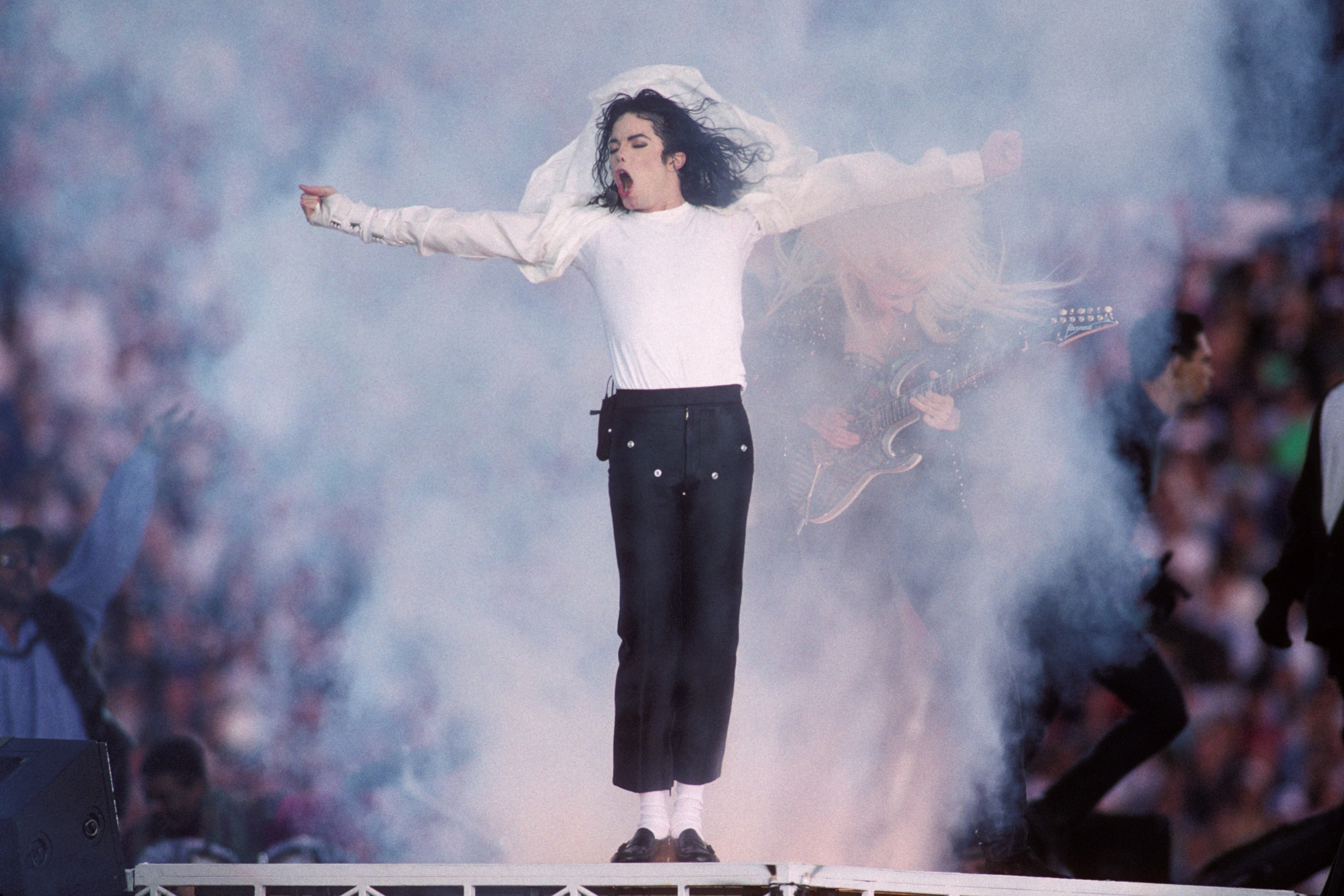
Michael Jackson, the King of Pop, left a legacy that is as contentious as it is celebrated. In the years following his death in 2009, several individuals came forward with accusations of sexual abuse, most of which were settled privately. The estate’s legal team has long maintained that the singer was innocent and that the allegations were defamatory. In the midst of these disputes, a series of settlements were negotiated—often with a hush‑money clause that restricted public testimony. Those agreements were typically drafted by attorneys hired by the estate, with the goal of protecting its image and assets.
Bryan Freedman entered the scene as a seasoned litigator with experience in high‑profile celebrity cases. His reputation for securing favorable terms for his clients made him an attractive choice for the estate’s attorneys. Freedman’s role, as the plaintiffs allege, was to act as an intermediary between the estate and the accusers, negotiating settlements that would benefit the estate financially and protect its reputation. However, the lawsuit argues that Freedman was simultaneously advising the estate on how to handle the claims, giving him a conflict of interest that undermined his fiduciary duty to the accusers.
The Cascio siblings, who were among the first to file suits in the early 1990s, have been part of the public eye since the scandal broke. Their involvement in the current lawsuit adds a personal dimension to the legal battle. They, along with other unnamed plaintiffs, claim that Freedman’s strategy involved presenting settlement offers that appeared generous on paper but were designed to suppress any future legal action or media exposure. The allegations point to specific language in the contracts that restricts the accusers’ rights to speak, testify, or pursue additional claims against the estate.
The legal framework surrounding such settlements is complex. Courts have historically allowed confidentiality agreements to prevent prolonged litigation, but there are limits when those agreements infringe on statutory rights or involve fraudulent inducement. The plaintiffs’ attorneys argue that Freedman’s conduct violated the principles of informed consent and equal bargaining power. They further contend that the estate’s use of a single attorney to manage multiple settlements creates a scenario where the victims’ interests are subordinated to the estate’s.
What People Are Saying
The lawsuit has sparked a flurry of reactions across the entertainment and legal communities. Some observers see it as a necessary check on the estate’s power, arguing that the accusers deserve a voice after decades of being forced into silence. Others caution that the suit could further entangle an already litigious environment and risk reopening old wounds. The case highlights the tension between protecting an artist’s legacy and acknowledging the claims of those who were allegedly harmed.
Within the plaintiffs’ circle, there is a sense of frustration at being coerced into silence. Several individuals have spoken to reporters about the emotional toll of feeling “trapped” into relinquishing their right to speak. While the lawsuit does not list all the names involved, the presence of the Cascio siblings, known for their longstanding public presence, lends weight to the accusations. They have historically been outspoken about the allegations against Jackson, and their participation suggests a continued commitment to challenging what they perceive as injustice.
On the estate’s side, the attorneys defending Freedman have yet to issue a formal statement. However, the legal brief filed in the lawsuit outlines a defense that Freedman acted in good faith and that the settlements were fair within the context of the estate’s obligations. The brief also points to the fact that the plaintiffs voluntarily signed the agreements, implying that they were aware of the terms. This counterpoint underscores the divide between the two sides: one side asserts coercion, the other emphasizes informed consent.
The broader public reaction has been mixed. Some fans of Jackson feel the allegations erode his legacy, while others view the lawsuit as a vital step toward accountability. The case may influence how other estates handle similar disputes, potentially prompting stricter oversight or alternative dispute resolution mechanisms that protect victims’ rights more effectively.
What Happens Next
The lawsuit is set to be heard by a judge in the near future, with both sides expected to present evidence about the negotiation process, the content of the settlement agreements, and the alleged conflict of interest. The plaintiffs are seeking both monetary damages and the annulment of the confidentiality clauses that they claim were imposed under duress. They argue that they should be entitled to the full settlement amounts that were withheld and that the estate should reimburse them for any financial losses resulting from the alleged deception.
The estate’s legal team is preparing a response that challenges the allegations of misconduct. They argue that Freedman’s role was consistent with industry practice and that the settlements were mutually agreed upon. They also point to the fact that the estate has previously paid substantial sums to other accusers, suggesting a pattern of fairness.
If the case proceeds to trial, it could set a precedent for how celebrity estates manage abuse allegations. A ruling that confirms the plaintiffs’ claims could force the estate to re-evaluate its settlement strategies and potentially release the victims’ stories, altering the public’s perception of Michael Jackson. Conversely, a decision favoring the estate could reinforce the status quo, maintaining the confidentiality that has long been a staple of high-profile settlements.
Beyond the courtroom, the lawsuit may trigger new investigations into the estate’s financial dealings. If the court orders the disclosure of internal communications or settlement terms, it could expose further details about how the estate has handled these claims. The outcome will also impact how other entertainment estates navigate future allegations, possibly prompting reforms in attorney-client agreements and settlement structures.
The immediate next step for the plaintiffs is to secure a hearing, after which they will present their case in detail. For Freedman and the estate, the focus will be on defending the integrity of the settlement process and refuting claims of coercion. The legal battle is likely to extend over several months, with potential appeals if either side feels the ruling does not reflect the full scope of the facts.
In the broader narrative of Michael Jackson’s post‑humous legacy, this lawsuit represents a pivotal moment. It is a reminder that the echoes of past actions can reverberate decades later, and that the pursuit of justice often takes a long, arduous path. Whether the courts ultimately side with the accusers or the estate, the case underscores the delicate balance between protecting a cultural icon and honoring the voices of those who claim they were harmed. The outcome will likely resonate far beyond the courtroom, influencing public discourse, legal precedent, and the stewardship of an enduring legacy.
The Bottom Line
MyWorldPulse views this lawsuit as a necessary check on the concentration of power that has historically shielded celebrity estates from scrutiny. The plaintiffs’ allegations that Freedman coerced victims into silence for $3.5 million force us to confront a broader issue: the ethical boundaries of settlement negotiations in the entertainment sector. While confidentiality agreements serve legitimate purposes—protecting parties from protracted litigation—they should never be used to suppress truth or silence victims. If the court finds in favor of the accusers, it could mandate that estates adopt more transparent processes, ensuring that victims receive fair compensation without undue pressure to relinquish their right to speak. This would signal a shift toward greater accountability, encouraging other estates to reevaluate their practices. Regardless of the outcome, the case is a stark reminder that legacy and justice are not mutually exclusive; the pursuit of both requires honest dialogue and equitable legal frameworks.
Reference:
- Michael Jackson Estate official Instagram post
Read more celebrity news at MyWorldPulse.