The 85‑year‑old lifestyle icon once again found herself in the spotlight—this time not for a new recipe, but for a costume that sparked outrage, a chocolate‑laden mishap on “Today,” and a public apology that still leaves fans debating her intentions.
Martha Stewart, who had planned to attend a Halloween party wearing a chic sweater, found her wardrobe in tatters after a clumsy chocolate ganache spill by co‑host Craig Melvin on the NBC morning show. With ten minutes left to decide, she improvised a “bum” persona that was meant to raise awareness of homelessness but was widely criticized for its insensitivity. The controversy unfolded over the course of a week, from a deleted Instagram photo to a rally in Orlando where she finally addressed the mishap, blaming Melvin for the costume choice that ultimately cost her dignity—and a $3,000 pair of pants.
---
Background & Context
The fateful episode aired on October 30, the Halloween broadcast of “Today.” In a segment on homemade cheesecakes, Melvin—dressed in a Snoop Dogg‑style ensemble—accidentally tipped a dish of chocolate ganache, splashing it over Stewart’s white pants. “Whoa!” both host and co‑host gasped, and Stewart muttered, “Snoop!” as she scolded the mishap. Melvin apologized, later quipping that he had ruined her $3,000 pants. Stewart, unruffled, replied, “Don’t worry about it; they wash.” The incident, captured in a live moment, left Stewart scrambling.
The next day, the lifestyle mogul posted a photo on Instagram that had her wearing distressed clothing and makeup resembling dirt, holding a sign that read, “I AM HUNGRY HELP ME!!” The image, intended to spotlight homelessness, sparked a firestorm of criticism. Fans accused her of trivializing a severe social issue, especially as the photo accompanied promotional material for her QVC candle collection. Stewart deleted the post later that evening and issued a brief statement acknowledging the misstep. She said, “I am distressed that my Halloween costume yesterday, which was intended to bring more awareness to the very serious subject of homelessness, has offended people, which was never my intention.” The apology was deemed insufficient by many, prompting calls for a more sincere acknowledgment of her error.
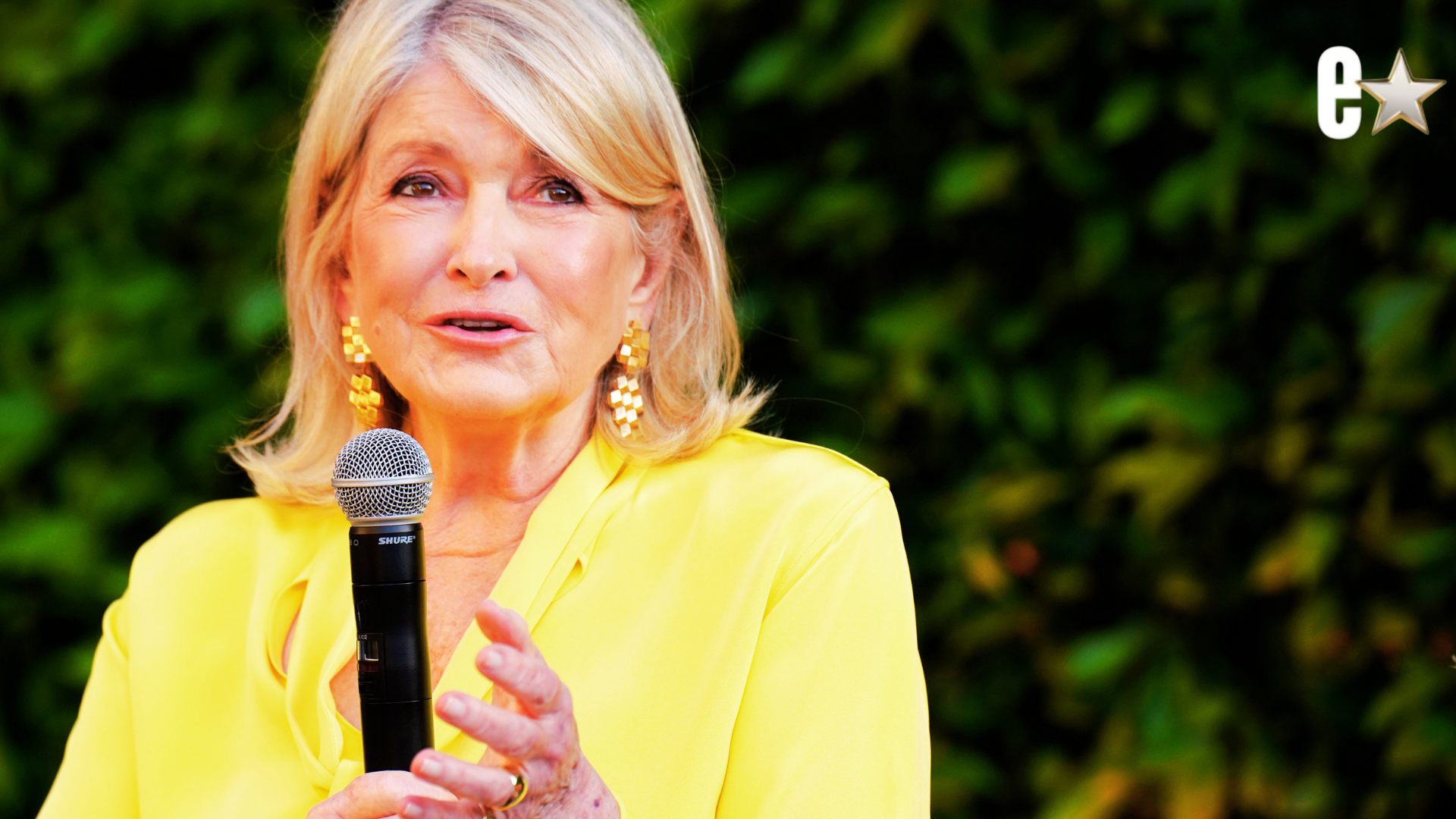
On November 3, during the CrossCountry Mortgage Sales Rally in Orlando, Stewart addressed the audience in a more detailed retelling. She revealed that she had originally planned to wear a particular sweater to a Halloween party. The chocolate spill forced her to abandon that outfit. “He spilled chocolate all over my sweater, which I was gonna wear on Halloween night,” she said, pointing to Melvin with a playful grin. With only ten minutes to reconfigure, she decided to adopt the “bum” costume. She laughed about the backlash, acknowledging that the choice, while quick, was perhaps ill‑judged.
---
What People Are Saying
The social‑media storm that followed the Instagram photo was swift and unforgiving. Users on various platforms slammed Stewart for mocking a vulnerable population. Many compared her to a brand mascot that had once worn a similar costume to promote a line of “homeless” merchandise, drawing a parallel to past insensitivities in pop culture. The hashtag #MarthaStewartHomelessness trended, with commenters pointing out that the photo’s timing—just after Halloween—seemed opportunistic rather than sincere.
Supporters of Stewart countered that she had previously worked with charities addressing homelessness and that her intention was to raise awareness. “She’s always been a philanthropist,” one supporter wrote. Others, however, insisted that the image’s aesthetic—distressed clothing, dirt‑like makeup, and a hand‑held sign—crossed a line, reducing a complex crisis to a theatrical trope. The backlash extended beyond social media; mainstream outlets ran opinion pieces about the limits of celebrity activism and the pitfalls of “performative advocacy.”
The incident also opened a broader debate about the responsibility of public figures when representing social issues. Commentators noted that while the “Today” spill was accidental, the subsequent costume choice revealed a lack of foresight. Some argued that a more thoughtful approach—perhaps a partnership with a real homelessness organization—would have avoided the offense. Others suggested that Stewart’s apology, though deemed inadequate by some, demonstrated an awareness of the misstep, hinting that her next steps would be more reflective.
Amid the heated dialogue, a small group of fans took a more nuanced stance. They pointed out that Stewart had apologized after the photo was posted and that her subsequent explanation at the rally could be seen as an attempt to provide context. They argued that the public’s reaction, fueled by a viral image, might have been disproportionate to the actual intent behind the costume. However, this perspective struggled to quell the more visceral backlash that continued to circulate, with many insisting that a public figure cannot casually adopt the attire of those who are most marginalized.
---
What Happens Next
In the aftermath of the rally, Stewart’s next steps will be closely watched by both fans and critics. The public apology that she delivered at the event—where she admitted the costume was “not funny” and that she was “very sorry”—signaled a willingness to own the mistake, but the broader conversation about her involvement in charity work remains. Industry insiders suggest that she may choose to partner more visibly with established homelessness charities, offering to donate proceeds from her upcoming candle line or to launch a new philanthropic initiative. This would allow her to channel her platform into tangible aid, potentially mitigating the damage to her public image.
From a media perspective, the incident has become a case study in crisis management for personalities navigating the intersection of entertainment and activism. Analysts predict that Stewart’s brand might experience a short‑term dip in consumer trust, especially among younger demographics who are particularly sensitive to performative social commentary. Yet her long‑standing reputation as a domestic authority could provide a buffer, provided she takes concrete steps to demonstrate genuine commitment.
The broader industry will also note how quickly a single viral moment can define a public figure’s narrative. Producers of television shows and brand managers are already consulting crisis communication specialists after the “Today” mishap, emphasizing the importance of training hosts and guests for unpredictable on‑air incidents. The incident underscores how even seasoned professionals can find themselves in untenable positions when spontaneous moments intersect with deeply rooted social issues.
Meanwhile, Stewart’s team has likely issued a statement reaffirming her commitment to humanitarian causes, while acknowledging the misstep. Though the statement was kept private, it is expected to be released to the public soon, outlining the steps she plans to take. Whether a donation, a public service announcement, or a partnership with a homelessness shelter, the aim will be to transform a moment of public embarrassment into a catalyst for positive change.
---
Stewart’s Halloween saga serves as a reminder that public personas, no matter how polished, are still human—and that a single slip can reverberate across social media, sparking debate, shame, and ultimately, a chance for redemption.
The Bottom Line
Martha Stewart’s Halloween blunder is a textbook case of how performative advocacy can backfire when the message is lost in a flashy gimmick. Her decision to dress as a homeless person on a live TV spill, followed by a provocative Instagram post, missed the mark on authenticity and sensitivity. Fans and critics alike felt that she turned a vulnerable population into a marketing prop, undermining the very cause she claimed to support. The backlash was swift, and the apology—though heartfelt—was deemed insufficient. In an era where audiences scrutinize every action, Stewart’s brand risked erosion of trust, especially among younger viewers who value genuine social engagement. Moving forward, the only viable path is concrete action: partnering with reputable charities, transparently sharing fundraising efforts, and using her platform to educate rather than simply showcase. Until she demonstrates real commitment, the incident will likely linger as a cautionary tale for celebrities who wish to advocate without alienating their audience.
Reference:
- Official Instagram post by Martha Stewart
Read more celebrity news at MyWorldPulse.