Dana Goldberg’s first note after the merger’s seal had been cast set the tone for a new era of studio independence, promising that the storied houses of Paramount and Warner Bros. would keep building their slates in parallel.
On the morning after the legal papers finally signed, Dana Goldberg and her co‑chair Josh Greenstein addressed the combined workforce with a single, decisive message: each studio would continue to “build and release its own films.” The memo, sent from the Paramount lot to the Warner Bros. offices, underscored a partnership that preserved the legacies of both giants while carving out separate creative paths. The settlement that closed the merger also required Skydance to hold both historic Hollywood campuses for the next five years, ensuring that the physical spaces of Paramount and Warner Bros. remained intact.
This arrangement follows a decade‑long trend of studio consolidation and a growing appetite for risk‑taking in the face of mounting debt. Skydance’s new leadership openly noted that the $80 billion debt burden does not bar the company from pursuing bold projects—an observation that echoes the recent buzz around “Sinners,” a bold, genre‑blending film that the group is green‑lighting. The Day One memo also hinted at a broader strategy: a short‑term bundling of HBO Max and Paramount+ that would eventually coalesce into a single streaming service.
Background & Context
The Paramount‑Warner Bros. deal, formally closed last week, is the most ambitious merger in the entertainment sector in years. Skydance Corp., acting as the umbrella corporate entity, has taken over the operational reins while honoring the distinct identities of the two studios. This is a deliberate move to avoid the pitfalls of a forced homogenization that plagued previous consolidations in the 1990s.
Key to the merger’s terms is the preservation of both physical production campuses. The settlement mandated that Skydance keep the Paramount and Warner Bros. lots for a minimum of five years, effectively locking in the real estate assets that have produced countless classics. The campuses, each with a distinct architectural heritage and internal workflow culture, will continue to house their respective crews and studios—an important reassurance for directors, producers, and talent who have long attached their creative vision to a particular studio’s ethos.
Industry insiders note that the Day One memo is more than a bureaucratic note; it is a statement of intent that underscores Skydance’s dual‑studio model. By ensuring that each entity operates independently, the company is positioning itself to navigate a shifting landscape where content demands flexibility and risk is rewarded with high‑profile hits.
What People Are Saying
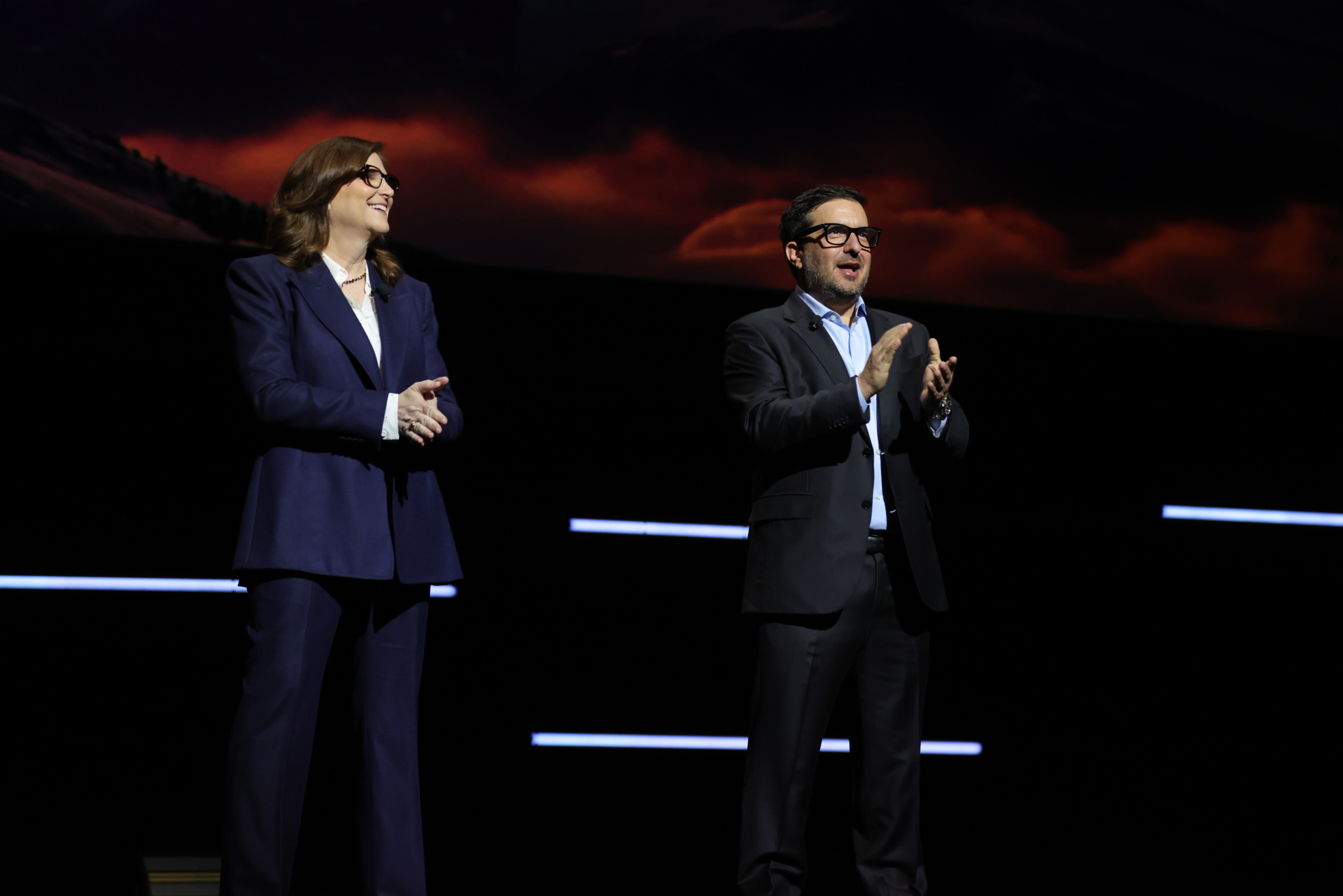
David Ellison, Skydance’s chairman and CEO, took the stage on the Paramount lot to explain the long‑term vision for the company’s streaming footprint. He acknowledged a short‑term “bundling” period for HBO Max and Paramount+, but emphasized that the plan is to bring the two services together eventually. Ellison’s comments suggest a strategic patience: maintain separate brands while preparing for a seamless integration that could streamline subscription models and reduce friction for viewers.
The conversation around future projects is tinged with cautious optimism. When asked about a potential sequel to the 2023 hit “Barbie,” Ynon Kreiz, Skydance’s newly appointed co‑CEO, replied that it was too early to discuss a second film. Kreiz’s comment reflects a broader sentiment among executives that, while blockbuster potential is alluring, the company’s current priority is to establish stable slates and assess audience appetite.
Amid the merger chatter, there is also a growing narrative about Skydance’s willingness to back original, risky content. The “Sinners” project—an unapologetically bold cinematic experiment—serves as proof of this ethos. Even as the company carries a staggering $80 billion debt load, its leadership is clear: creative ambition will not be curtailed. The industry is watching closely, as any successful risky venture could reshape the competitive balance among Hollywood’s top studios.
What Happens Next
Looking ahead, Skydance’s strategy appears twofold. First, each studio will continue to develop and release independent film and television portfolios. The co‑chairs have made it explicit that the Paramount and Warner Bros. brands will maintain their distinct identities, allowing producers and directors to choose the environment that best suits their projects. That independence should help preserve the cultural cachet that fans have associated with each house for generations.
Second, the company will monitor the streaming integration trajectory. Ellison’s outline of a short‑term bundling phase indicates a phased approach: both HBO Max and Paramount+ will coexist, each maintaining brand loyalty, before merging into a single, streamlined service. This move could unlock cross‑promotional synergies, shared content libraries, and reduced operational overhead—factors that could prove decisive in a market saturated with streaming options.
Meanwhile, project pipelines remain in flux. With “Sinners” set to push creative boundaries and a cautious stance on a potential “Barbie 2,” the studio is balancing high‑concept ventures with safer, proven franchises. The outcome of these decisions will dictate how the merger’s promises translate into tangible hits on the big screen and screens alike.
The next few months will likely bring concrete announcements on film releases, streaming service roll‑outs, and potentially new collaborations with independent creators. The industry will be keen to see whether the dual‑studio model delivers on its promise of independence while benefiting from the economies of scale that the merger affords.
In the end, Skydance’s bold Day‑One memo signals a clear commitment: Paramount and Warner Bros. will stay alive, not just as corporate entities, but as vibrant creative hubs that continue to shape the stories audiences love. The next chapter will reveal whether that promise is fulfilled, or merely a hopeful note in a turbulent market.
The Bottom Line
MyWorldPulse sees Skydance’s dual‑studio model as a bold experiment that could redefine Hollywood’s corporate structure. By insisting that Paramount and Warner Bros. maintain separate slates, the company acknowledges that creativity thrives on brand identity and autonomy. This approach, however, hinges on disciplined execution; if Skydance fails to keep the studios genuinely independent, the merger risks becoming another corporate façade that stifles innovation. The $80 billion debt, while daunting, offers an opportunity to invest in high‑concept projects like “Sinners,” proving that risk can coexist with financial prudence. The short‑term bundling of HBO Max and Paramount+ is a pragmatic step toward a unified streaming platform, but the real test will be whether the integration preserves user trust and content quality. Ultimately, MyWorldPulse believes this merger could set a new industry standard—if it balances scale with autonomy, it will deliver both fresh storytelling and efficient operations. If not, it risks becoming another cautionary tale of consolidation gone wrong.
Reference:
- Official post on Dana Goldberg's verified social media account
- Official post on David Ellison's verified social media account
Read more celebrity news at MyWorldPulse.