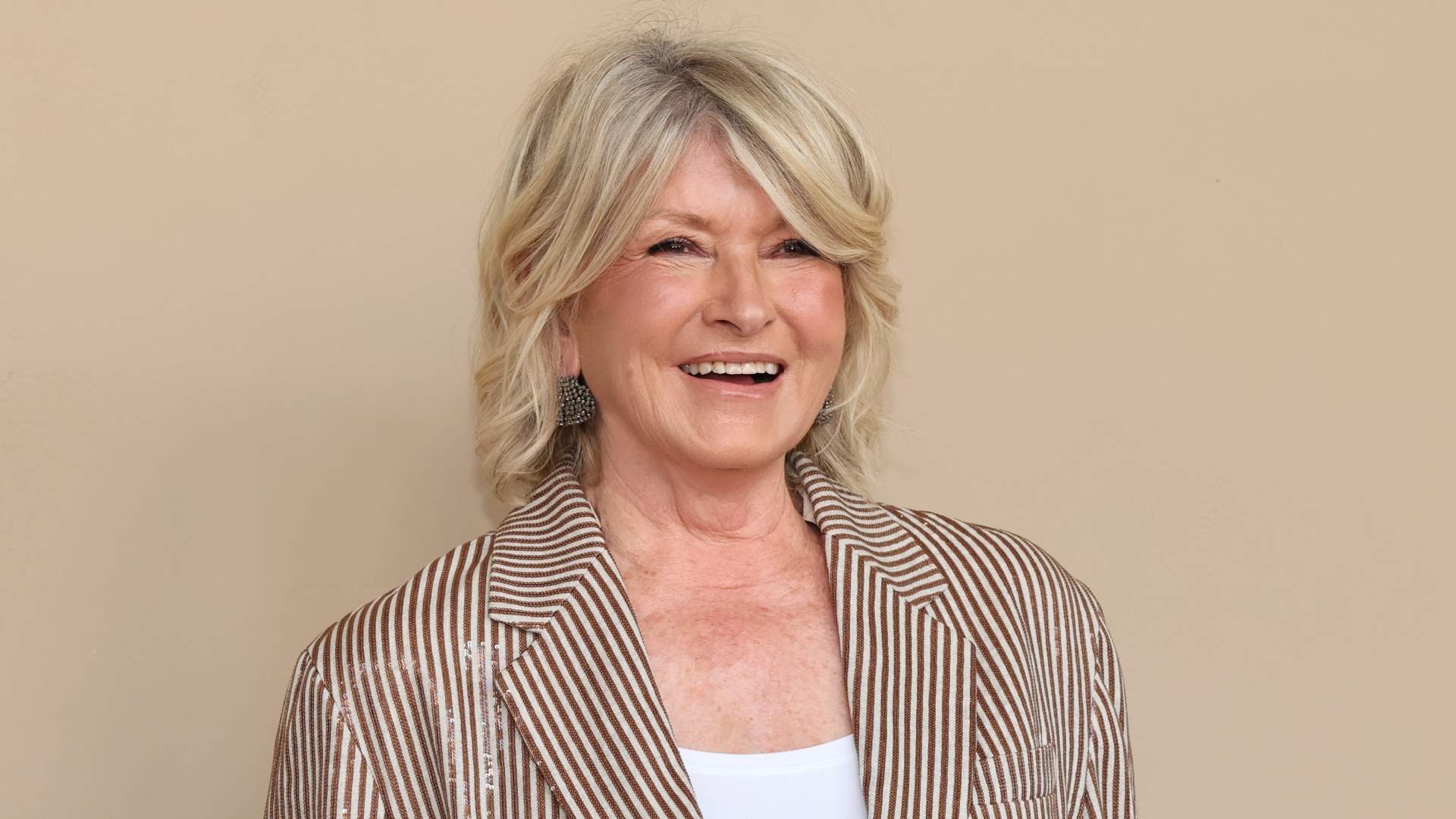
The 85‑year‑old lifestyle icon, known for turning ordinary moments into televised perfection, shocked her legion of fans by posting—and then deleting—a Halloween snapshot that saw her don a tattered t‑shirt, ripped jeans, and a dusty face, clutching a sign that read, “I AM HUNGRY HELP ME!!”
The photo first appeared on Instagram on Saturday, October 31. In a single, crisp shot, Martha’s usually polished appearance was replaced by a raw portrayal that many interpreted as a stark depiction of homelessness. Within hours, the image was removed, and the only surviving evidence is a grainy clip that resurfaced on social media. The swift deletion sparked an immediate wave of backlash: from angry comments condemning the portrayal as insensitive to defensive posts praising the effort to raise awareness about a pressing national crisis.
At the center of the storm lies Martha Stewart’s own statement, released a few days later, in which she clarified her intentions. She framed the costume as a “creative attempt to spotlight the serious issue of homelessness” and expressed regret that the approach offended some observers. The 85‑year‑old went on to reaffirm her long‑standing commitment to charitable causes, noting that she has “spent a significant amount of time and effort supporting charities that combat this ongoing social epidemic.” Her message was clear: she has always used her platform for advocacy, but this time, her creative expression did not land as intended.
Background & Context
Martha Stewart’s relationship with Halloween dates back to the early 2000s, when she began sharing seasonal recipes, décor ideas, and costume inspiration that quickly became staples for fans. “Halloween has always been one of my favorite holidays of the year,” she has said, and her yearly “Queen of Halloween” moniker—bestowed by her editorial team—has become a touchstone for her seasonal brand. This tradition has not only amplified her influence in the domestic sphere but has also offered her a conduit for broader social commentary.
Her history of philanthropy, particularly around housing and homelessness, is extensive. In the 2010s, she partnered with several non‑profits to provide resources for the displaced, and her public advocacy has frequently spotlighted the need for systemic change. The recent costume can be seen as a continuation of that effort: an attempt to leverage a highly visible cultural moment to draw attention to a cause she has championed for years. However, the method—a visual portrayal of a homeless person—has proven controversial in a climate where authenticity and sensitivity are paramount.
The timing also mattered. The post emerged during a period of heightened national focus on homelessness, with recent reports citing a rise in visible encampments and a surge in federal funding discussions. In this charged environment, the photo’s reception was influenced by pre‑existing tensions over representation, identity politics, and the role of celebrity advocacy. Stewart’s attempt to blend entertainment with social commentary collided with a landscape that expects nuance and cultural competence, setting the stage for the backlash that followed.
What People Are Saying
The immediate reaction on social media was polarized. A flood of comments condemned the image as a trivialization of homelessness, accusing Stewart of reducing a complex crisis to a costume. Some users urged her to apologize and rethink her approach. Others defended the attempt, noting that the underlying intent was to raise awareness, not mock. The hashtag #MarthaStewartCostume trended briefly, drawing a mix of sympathy and criticism.
Many commentators pointed out that the visual of a middle‑aged woman posing as a homeless person could perpetuate stereotypes rather than challenge them. In the broader cultural conversation, experts on social media analysis have discussed how representations of marginalized groups by high‑profile figures can have unintended consequences, especially when done without direct community involvement. While Stewart’s statement highlighted her “deep care” for the issue, critics argued that the execution failed to honor the dignity of those she sought to represent.
Conversely, supporters rallied behind Stewart, emphasizing her decades of charitable work and pointing out that her platform can spark important conversations. They argued that a single photo, even if poorly received, does not negate the long‑term impact of her donations, advocacy, and public visibility. This segment of the audience highlighted her past collaborations with organizations that provide shelter and support services, suggesting that the controversy may be a momentary setback in an otherwise purposeful career.
Across the spectrum, the incident ignited a broader debate about the responsibilities of public figures when addressing social issues. Some social commentators stressed that authenticity, community partnership, and thoughtful presentation are essential when shedding light on systemic problems. Others cautioned against an overly moralistic approach that could alienate audiences and stifle dialogue. In any case, the conversation remains active, with many awaiting her next public move.
What Happens Next
In the wake of the controversy, Stewart has issued a statement reaffirming her dedication to combating homelessness. She reiterated that she intends to continue “making a difference” and emphasized her ongoing support for charities that address the crisis. While no official timeline has been released, industry insiders anticipate that she will likely redirect her efforts toward more collaborative projects. Potential next steps could include partnering with local nonprofits for community outreach, hosting benefit events on her farm, or launching a public awareness campaign that includes testimonies from individuals experiencing homelessness.
The Instagram feed, which had featured the deleted photo for only a few hours, is now back to its familiar mix of cooking tutorials, décor tips, and personal anecdotes. However, the platform's algorithm has elevated her post about the incident, ensuring that her reflection on the cost of advocacy remains in front of a wide audience. Whether she will use her platform for another bold, potentially risky campaign remains to be seen, but the current episode has underscored the delicate balance between celebrity influence and social responsibility.
Martha Stewart’s journey into the limelight began with humble kitchen corners, grew into a global lifestyle empire, and now finds herself navigating the complex terrain of modern advocacy. The recent Halloween mishap may be a blip, but it also serves as a lesson in the power—and the pitfalls—of leveraging fame to address the world’s toughest challenges. As the conversation continues, the public will watch to see whether she can transform a misstep into a renewed commitment to the cause she has long championed.
The Bottom Line
Martha Stewart’s Halloween stunt demonstrates the peril of celebrity activism when it lacks community partnership and contextual nuance. While her platform can indeed spark dialogue, the backlash shows that audiences will not accept a stylized caricature as a genuine call to action. The entertainment industry must evolve beyond shock value and embrace collaborative, informed approaches when addressing systemic issues. Only then can a star’s influence translate into lasting, respectful change. —MyWorldPulse.com
Reference:
- Official post on Martha Stewart's verified Instagram account
Read more celebrity news at MyWorldPulse.