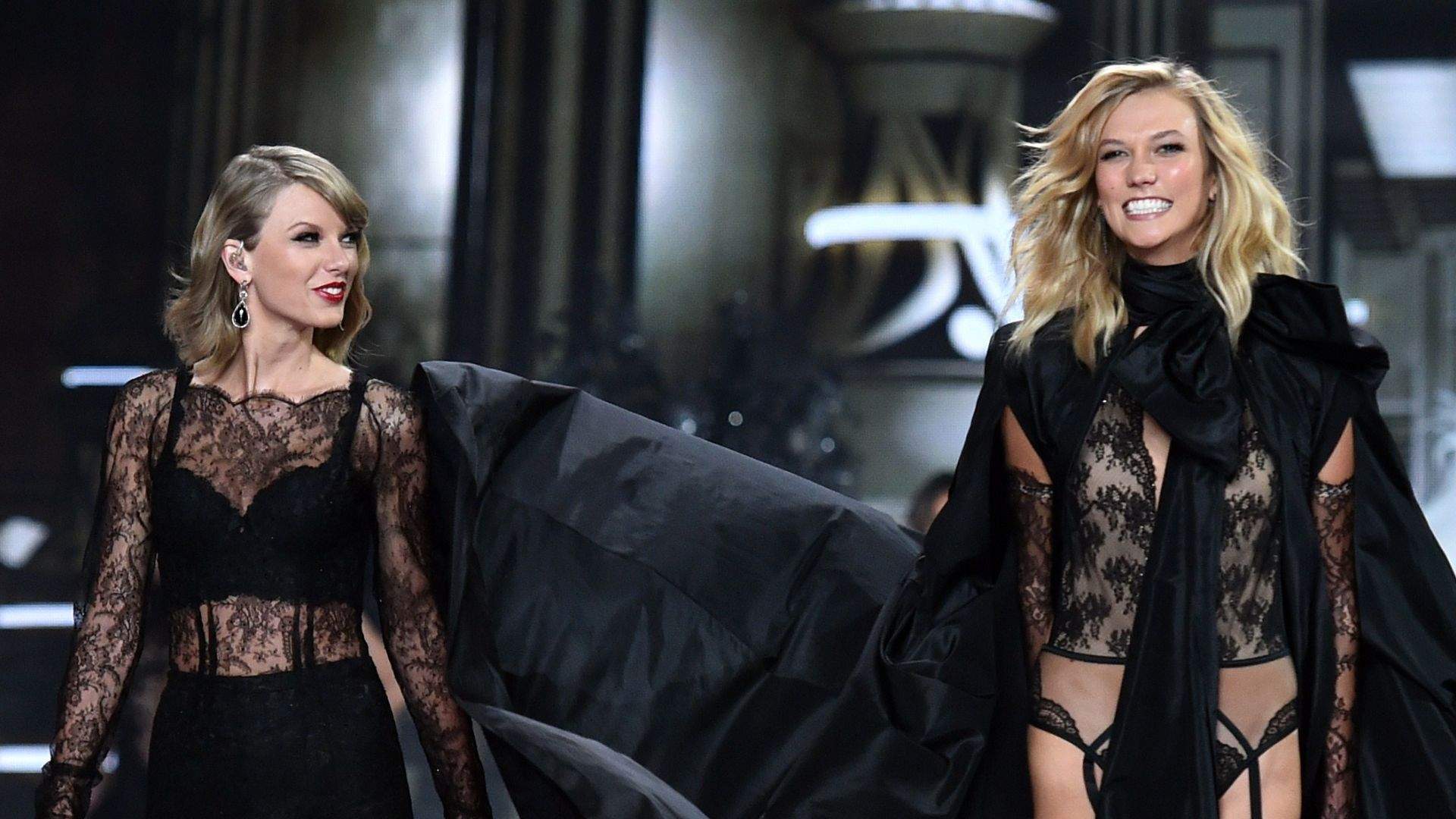
The sighting of 36‑year‑old Taylor Swift beside former best friend Karlie Kloss in a VIP suite at Arrowhead Stadium stunned a fan base that had long yearned for a reconciliation after a years‑long silence. For the entertainment world, the moment signals that high‑profile personal alliances can still generate real‑time buzz, brand activation, and an emotional return on investment for sponsors who ride the wave of public affection.
At a game where Swift’s husband, tight‑end Travis Kelce, was the star, the duo’s presence seemed almost choreographed. Swift’s red‑and‑pink striped Tommy Hilfiger sweater polo gleamed against the stadium’s bright lights, while Kloss’s casual confidence made her a second‑time celebrity guest. The couple, along with Swift’s parents Andrea and Scott, turned a simple sports event into a social media spectacle that dominated feeds across the globe.
For the industry, this reunion is more than a fleeting headline. It underscores how personal narratives—friendships, weddings, shared memories—intertwine with professional trajectories. Brands that had previously associated with Swift and Kloss may find new partnership opportunities, while entertainment platforms can capitalize on the renewed fan energy to boost viewership and engagement.
Background & Context
Taylor Swift and Karlie Kloss have been a well‑known duo for more than a decade. From late‑night chats during the production of Swift’s 2015 “Bad Blood” music video to public appearances at fashion shows and award ceremonies, their friendship was often the subject of playful speculation. However, a gradual fade from each other’s social feeds in 2021 led fans to suspect a falling‑out, a rumor that never found confirmation from either side.
The tension—or at least the silence—was set against the backdrop of Swift’s marriage to Travis Kelce in the summer of 2023, a union that sparked its own wave of media attention. In contrast, Kloss, who had become an international fashion icon and a real‑estate investor, maintained a relatively private personal life. The two still crossed paths on high‑profile occasions, most notably when Kloss attended the couple’s Madison Square Garden wedding on July 3, 2023. She arrived with her husband, Joshua Kushner, in a gold strapless gown that earned her a flash of paparazzi cameras and a warm reception from the crowd.
Kloss’s comments during her “Today” show appearance later that month were deliberate. She did not dig into the specifics of the alleged fallout, but she described the couple as “an amazing pair” and expressed genuine happiness for them. The choice to stay vague, yet supportive, suggested a deliberate choice to keep the friendship’s details out of the tabloids while signaling that any rift had perhaps softened.
What People Are Saying
When Swift and Kloss emerged from the Arrowhead VIP suite, the internet lit up with a chorus of disbelief and delight. Fans who had been following their story for years posted a flurry of comments that ranged from “I can’t believe this is real” to “Plot twist!” The moment was captured in a dozen photos that spread across Instagram, Twitter, and TikTok, each featuring the two laughing or exchanging a private joke in the midst of cheering fans.
Critically, the reactions were not just about a long‑anticipated reunion; they were about what that reunion represented for fans who see celebrities as mirrors of their own lives. Comments like “Some friends are meant to be” and “Happy for them” revealed that the public’s emotional investment in Swift’s personal life runs deep. For some, the reunion was a relief, a sign that the “Bad Blood” story might have been a misreading of real events. For others, it was a reminder that even the most carefully curated public personas experience turbulence.
The broader entertainment community took note as well. Industry insiders pointed out that Swift’s influence stretches beyond her music. She commands a formidable fanbase that translates into measurable consumer behavior. Brands that have worked with her—such as the fashion house Tommy Hilfiger and the beverage brand Diet Coke—watch her every move for potential collaborations. Kloss, meanwhile, is an active partner with several lifestyle and fitness brands, and her recent ventures into real estate and entrepreneurship highlight a savvy business acumen. Their reunion could therefore create a ripple effect, inspiring joint marketing campaigns that merge pop culture, fashion, and lifestyle.
What Happens Next
While the immediate fanfare around the Chiefs game has faded, the implications linger. Swift and Kloss may well become a pair that brands are eager to leverage. Their partnership could evolve beyond a one‑time appearance into a series of joint ventures, perhaps in the realm of fashion or wellness, where both of their audiences overlap. In a world where authenticity is king, the duo’s rekindled friendship could serve as a case study on how personal relationships can boost commercial endeavors.
On the personal front, it remains unclear whether Swift and Kloss will continue to collaborate publicly. Both women are already deeply involved in other projects—Swift’s upcoming album “Midnights” and her global “Eras” tour, Kloss’s continued work with the Black Mirror app and her real‑estate portfolio. However, the visibility of their shared moments suggests a mutual respect that may foster future appearances, perhaps at charity events, award shows, or even joint creative projects.
From an industry perspective, this reunion may prompt studios, record labels, and sponsors to look more closely at the social dynamics of their star clientele. The narrative that a personal friendship can reignite public interest is powerful; it shows that fans crave authentic, relatable stories even in a world saturated with polished image. Therefore, this event could influence how entertainment companies manage personal narratives, encouraging them to create platforms that allow for genuine human connection while maintaining brand integrity.
In the end, Taylor Swift and Karlie Kloss’s surprise appearance at the Chiefs game was more than a nostalgic flashback; it was a reminder that the most compelling stories in pop culture often hinge on the simple truth that human connections, even those under the spotlight, can survive the test of time.
The Bottom Line
While the headline‑making reunion between Taylor Swift and Karlie Kloss captured headlines, it also highlighted a broader shift in how audiences and brands interact with celebrity culture. The two icons converging in a stadium VIP suite showed that authenticity beats manufactured drama—fans crave real, shared moments that feel as much like a personal invitation as a marketing tactic. From a brand perspective, the event offers a blueprint: align with genuine relationships, time appearances with high‑visibility moments, and let the narrative run its own course. This strategy not only deepens fan engagement but also turns emotional moments into measurable ROI. Moreover, the reunion reinforces the idea that celebrity partnerships are no longer one‑off endorsements; they can evolve into long‑term collaborations that span music, fashion, and lifestyle, thereby expanding audiences across multiple sectors. For MyWorldPulse.com, the story is a reminder that the pulse of pop culture lies in its people, not just its products. The industry will do well to learn from this moment, leveraging authenticity to create campaigns that resonate and endure. —MyWorldPulse.com
Reference:
- Official post on Taylor Swift's verified Instagram account
Read more celebrity news at MyWorldPulse.