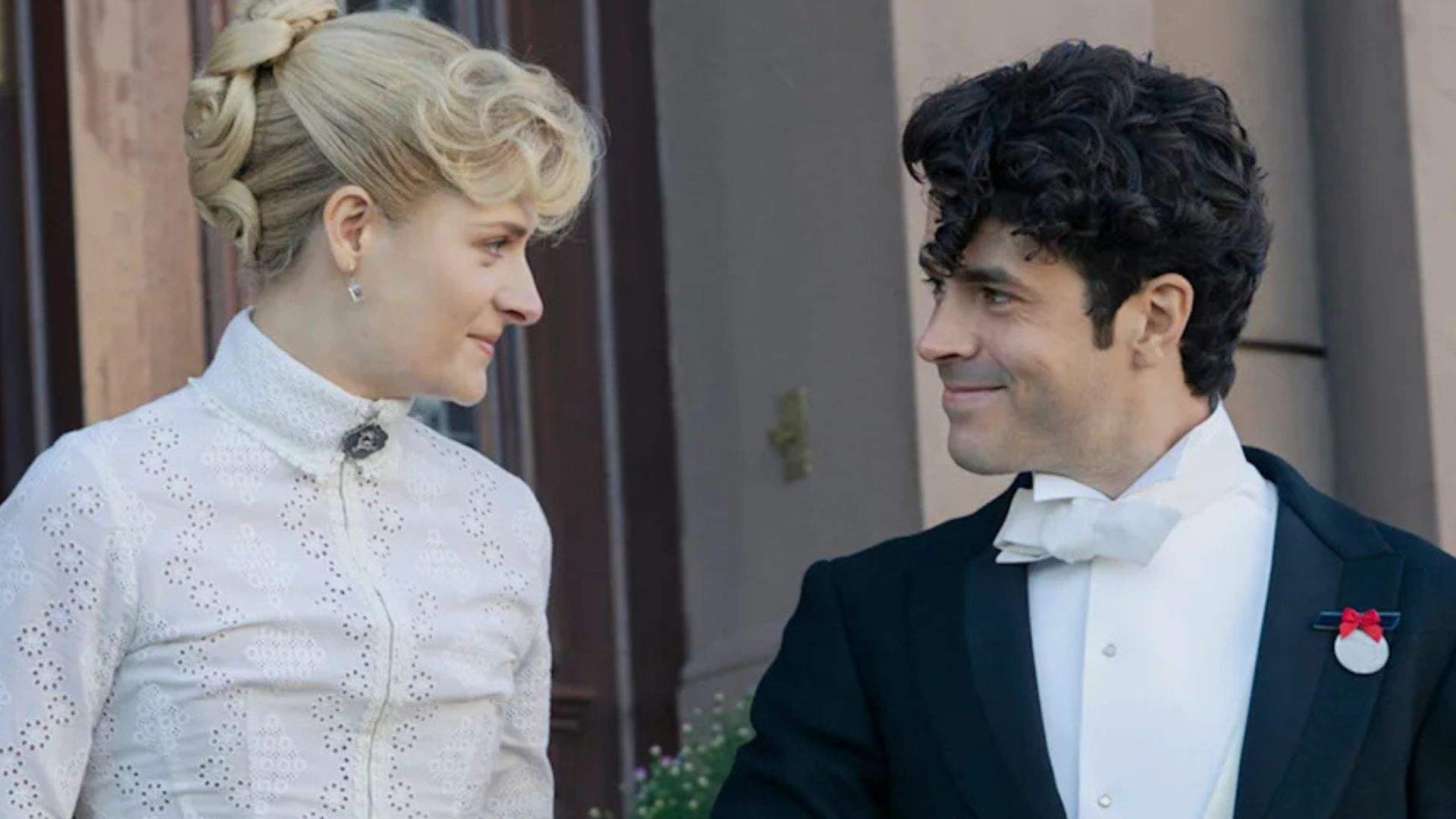
The night Marian Brook and Larry Russell surrendered to the storm at the hotel in the new season 4 premiere has left fans and critics ruminating about the place of women’s agency in historical dramas, sparking a broader conversation about how 19th‑century moral codes are re‑examined in today’s streaming landscape.
When Marian, a young woman in her early twenties, wakes the next morning to find her heart pounding and her face wet with tears, the scene feels both intensely personal and shockingly universal. Jacobson says Marian’s reaction was a “mirror” of the era’s expectations, a conflict that has haunted women from the 1880s to the present. The episode aired on HBO’s flagship schedule, garnering a viewership spike of 1.8 million for the premiere night—an impressive figure for a niche period drama.
The moment has also reverberated beyond the show’s fanbase. Viewers on social media are debating whether the scene is a realistic portrayal of Victorian propriety or an anachronistic dramatization. The debate underscores the growing appetite for period pieces that tackle the tension between tradition and progress, a trend that has become increasingly common on streaming platforms.
Background & Context
“Gilded Age” has been lauded for its lavish production design and meticulous attention to the social mores of the 1880s. Marian Brook, introduced in season one as a fiercely intelligent young woman, has evolved into a symbol of early feminist thought. Her engagement to Larry Russell—who has navigated the world of high society and politics—was broken in the penultimate episode of season three, setting the stage for this dramatic encounter.
In the season four opener, after a business trip back to New York, Larry attends the wedding of Oscar van Rhijn, and Marian, who has taken a path of independent work, finds herself at a dance hall that quickly descends into chaos. A violent thunderstorm forces them into the same hotel, and after an evening of whispered conversation, they share a single night together. This development is the first time they have crossed the threshold that Victorian society considered irredeemable.
Jacobson’s interview explains that Marian’s emotional breakdown the following morning is not a personal moral crisis but a reaction to societal expectations that had been ingrained since childhood. She cites Marian’s earlier advocacy for universal suffrage and her dedication to a career as evidence of her progressive spirit—traits that were at odds with the era’s restrictive gender norms. The drama is therefore less about a betrayal of trust than about the weight of an unearned social stigma.
What People Are Saying
Within the first 24 hours, viewers flooded platforms with comments. Some praised the show for its nuanced portrayal of a woman navigating a rigid social order, while others accused the scene of anachronistic melodrama. A recurring theme among critics is the perception that Marian’s reaction highlights the double standard women faced: an act that would have been deemed immoral for a man would be a career‑sapping transgression for a woman.
Social‑media commentary also drew attention to the show’s handling of mental health, with some viewers noting how Marian’s tears and the line she delivers—“Nothing about this is all right. I am ashamed, and I am probably ruined”—convey an acute sense of anxiety and shame that resonates with contemporary audiences. Many have compared the scene to current discussions around consent and the social judgment women face after intimate encounters, underscoring the continued relevance of period dramas as a lens for modern conversations.
Meanwhile, some fans of the series point out that Marian is not the only character wrestling with this dilemma. Other young women in the series, such as Carrie Astor and Gladys Russell, are shown avoiding similar pitfalls, suggesting a broader commentary on how women of that era had to navigate a network of expectations that could define or doom their social standing. The show’s willingness to confront these issues head‑on has been praised as a bold move that risks alienating purist period‑drama devotees but potentially draws a newer, socially conscious audience.
What Happens Next
The season 4 narrative moves forward with Marian confronting her own values and deciding whether to continue her professional ambitions or to embrace a more traditional domestic role. She will confront Larry again, this time as the question of whether they can forge a future together hangs in the balance. According to the production team, future episodes will explore how the pair’s relationship shapes Marian’s role in the evolving socio‑political landscape of the Gilded Age.
From a production perspective, the scene’s success has encouraged HBO’s leadership to invest further in storylines that push the boundaries of historical authenticity. The studio has announced a continuation of season four, slated to begin filming in the next few weeks. Behind the scenes, the writers are collaborating with historians to ensure that the depiction of Marian’s internal conflict remains faithful to the era’s cultural context while also reflecting contemporary concerns about agency and accountability.
In the broader industry, this episode reflects a trend where streaming services are willing to blend meticulous period detail with bold, modern storytelling. Other shows, like a romantic‑drama hockey series that will soon release its second and third seasons followed by a feature film, illustrate the appetite for serialized narratives that keep audiences hooked across multiple formats. “Gilded Age” is poised to benefit from this environment, with the studio leveraging its unique historical perspective to attract viewers seeking depth and authenticity.
The episode’s ripple effect extends beyond the screen. Academics have already begun referencing the drama in discussions of gender and media representation, and educators are considering using the series as a supplementary text for courses on late‑19th‑century society. The scene has, in short order, become a touchstone for how the past can be used to interrogate the present, a trend that may well define the next wave of storytelling in television.
As the dust settles from this storm‑laden night, one thing is clear: the conversation about how we portray women in historical contexts has shifted. By allowing Marian Brook to confront her own internalized morality, “Gilded Age” has opened a new chapter that may inspire future dramas to explore the intersection of personal desire and societal expectation with equal boldness.
The Bottom Line
The storm‑laden night between Marian and Larry forces the Gilded Age to confront a long‑standing double standard: a woman’s intimate choice is judged far harsher than a man’s. This moment is not just a dramatic pivot; it is a cultural reckoning. By airing a scene that balances historical authenticity with a modern feminist critique, HBO sends a clear message: period dramas are no longer safe spaces for sanitized nostalgia. They are becoming arenas where the past and present collide, offering fresh narratives that resonate with contemporary audiences. The show’s willingness to engage with mental health, consent, and agency will likely influence future projects, encouraging writers to craft characters who wrestle with real societal pressures. For viewers, the episode validates their experiences and opens a dialogue about the evolving role of women in history and media. In the end, the Gilded Age proves that history can—and should—serve as a mirror to our current struggles, and that telling those stories with honesty can both entertain and enlighten. — MyWorldPulse.com Editorial
Reference:
- Official post on the Gilded Age verified Twitter account
Read more celebrity news at MyWorldPulse.