The NBA 2K League livestream on Friday night crackled with anticipation. Tyler Kolek, the Knicks’ rookie point guard, and his teammate Deuce McBride were already trading playful jibes about the most “performative” fans they’d seen courtside. When the question turned to Taylor Swift—an icon who has been spotted in Madison Square Garden (MSG) for decades—Kolek leaned back and said with a grin that the pop superstar “just wants to be seen” and that even her “busy schedule” made it hard for her to attend every game. McBride nodded in agreement, citing other celebrities like Ben Stiller and Tracy Morgan as “solid” supporters.
Within seconds, the comments ignited a tidal wave on social media. Millions of Swifties flooded the conversation, rallying to defend their favorite singer. The Knicks’ front office was quick to step in. A spokesperson issued a statement declaring that “Taylor Swift has been a Knicks fan for many years, has a long history with Madison Square Garden, and we are incredibly appreciative of her support of the organization.” The response came as a direct counterpoint to Kolek’s remarks, underscoring the depth of Swift’s relationship with the team and the venue.
What follows is more than a simple celebrity feud; it is a flashpoint that re‑examines how sports franchises engage with star power, fan loyalty, and the cultural capital of their arenas.
Background & Context
Madison Square Garden is no ordinary venue. Known as “The World’s Arena,” it has been the crucible for countless historic moments—from the 1992 Olympic basketball “Dream Team” to the 2009 “Superbowl of basketball” between the Knicks and Cavaliers. For Taylor Swift, MSG is a personal landmark that predates her meteoric rise to stardom.
At just 13, Swift walked onto the hardwood in 2003 to perform in a halftime talent contest. The sight of the young singer in front of a sea of Knicks fans instantly forged a connection that would endure for decades. That early moment became a touchstone for the pop star, who later referenced New York in her music and fashion choices, embedding the city into her brand.
Fast forward to the summer of 2026, when Swift used MSG as the backdrop for arguably her most pivotal life event: her wedding to Kansas City Chiefs tight end Travis Kelce on July 3. The choice of venue was no accident. The stadium’s storied history, coupled with Swift’s affection for the city, made it the perfect setting for a union that would capture headlines worldwide.
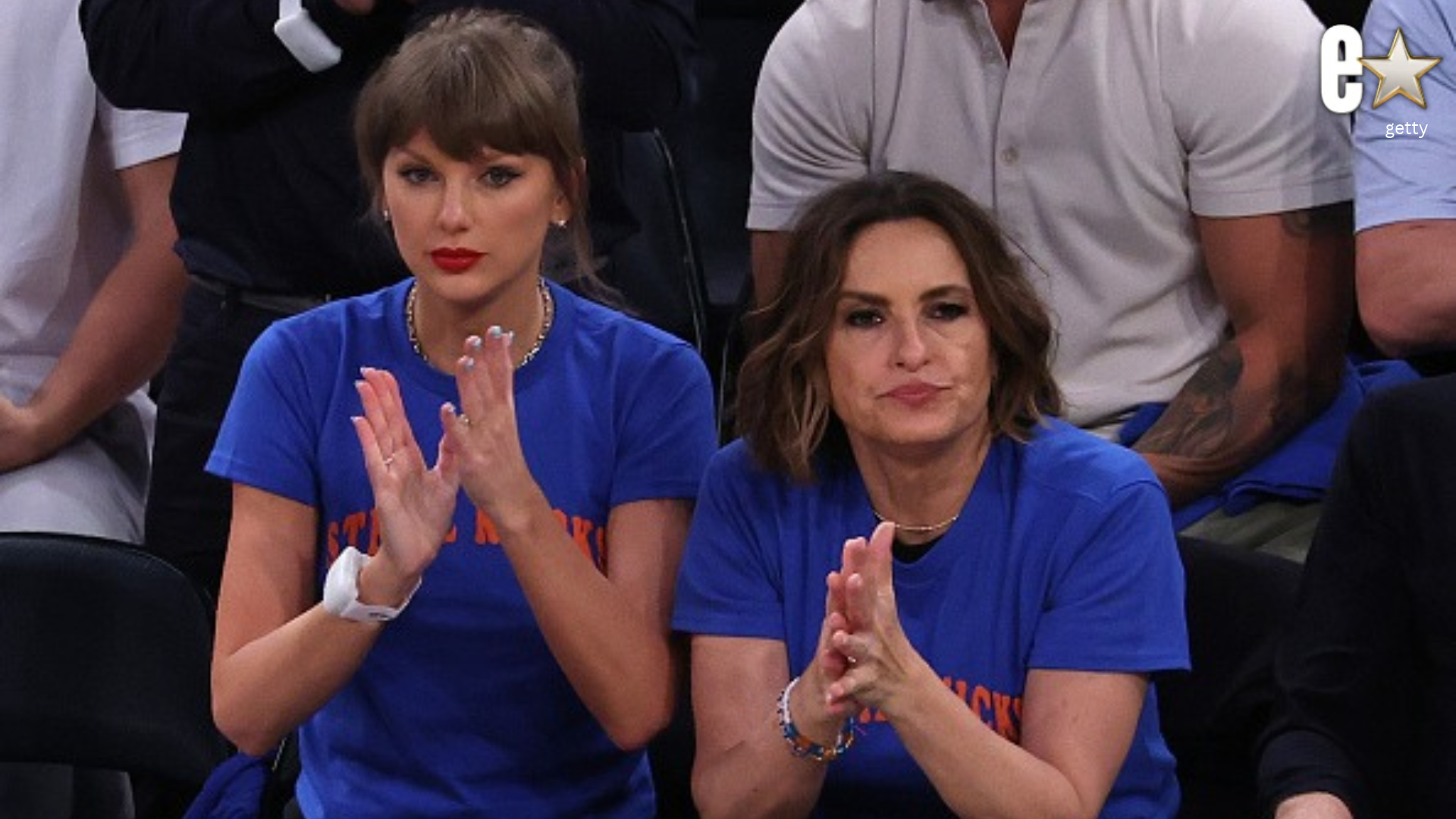
The Knicks have long welcomed Swift’s presence. She was spotted in the stands at Game 4 of the 2026 NBA Finals, wearing a “Stevie Knicks” shirt and waving the American flag alongside her friends Alana Haim, Este Haim, and Mariska Hargitay. Even during the Eastern Conference Finals in Cleveland, when the Cavaliers faced the Knicks, Swift made a point of attending, her husband’s Cleveland roots adding a layer of personal relevance. These appearances have turned her fandom into a public spectacle, reinforcing her status as more than a casual attendee.
The player‑led controversy is not unprecedented in the world of sports. In 2015, NBA legend Shaquille O’Neal was accused of “performative” fandom by a fan, sparking a conversation about authenticity and celebrity presence. More recently, the Seattle Seahawks’ partnership with the reality‑TV star LeBron James drew mixed reactions as fans debated whether James’s appearance was a genuine support for the team or a marketing ploy. The current incident with Swift follows this lineage, prompting fans, pundits, and the media to revisit the question of what constitutes authentic fandom.
What People Are Saying
The swift reaction on social media was swift, intense, and overwhelmingly supportive of Swift. Many fans highlighted her long history with the Knicks, pointing out that she was “rooting for them before he was even on the Knicks.” One comment read: “A bench player calling Taylor Swift a fake fan while she was supporting the Knicks before he even joined the team? 😭 Babe, maybe worry about getting minutes instead of policing who’s allowed to cheer.” The sentiment was clear: fans felt the players were overstepping their authority.
Not everyone joined the chorus. Some voiced criticism of the Knicks’ decision to release a statement, suggesting that the organization was policing fan allegiance rather than acknowledging the broader fan base. One user wrote: “If anyone really knows Taylor they would never doubt that.” These voices argued that the statement could be seen as an attempt to shift narrative control back to the franchise, possibly alienating certain segments of the fan community.
Sports journalists also weighed in, framing the incident as part of a broader trend where athletes increasingly address fan culture on live streams and social media. “The lines between fan, athlete, and influencer have blurred,” one analyst observed. “When a player questions a fan’s authenticity, it risks fracturing the community.” The Knicks’ swift statement was thus seen by some as a calculated move to preserve unity, while others interpreted it as a defensive posture against an internal critique.
In the world of pop culture, Swift’s fandom is both a marketing asset and a source of emotional capital. Her appearances at MSG have consistently boosted ticket sales and generated media buzz. A 2024 study by the Sports Marketing Association found that celebrity attendance can increase local merchandise sales by up to 15%, a figure that the Knicks’ front office is likely keenly aware of. By publicly defending Swift, the organization not only acknowledged her loyalty but also leveraged her brand to reinforce its own identity.
What Happens Next
The immediate aftermath of the statement is already shaping the Knicks’ offseason narrative. Rumors swirl about potential roster adjustments, and the team’s handling of fan relations will be scrutinized in the coming months. The organization has an opportunity to redefine its fan engagement strategy, balancing celebrity appearances with a broader commitment to inclusivity.
For the players, the incident will likely influence how they approach commentary about fandom in future broadcasts. Tyler Kolek’s remarks, which drew ire from the fan base, may prompt a reassessment of the lines of permissible critique. The Knicks’ coaching staff may initiate a workshop on media literacy for athletes, ensuring they understand the power of their words in a hyper‑connected world.
Taylor Swift’s relationship with the Knicks is poised to become a case study in celebrity fandom diplomacy. The singer’s next public appearance could be strategically timed to coincide with the Knicks’ 2027‑28 season launch, ensuring that the narrative arc of “loyalty” continues. The team, in turn, may capitalize on this partnership by launching joint promotional campaigns—perhaps a limited‑edition sneaker line or a music video filmed on the court—further intertwining the worlds of music and sports.
In a broader industry context, the Knicks’ handling of this incident could set a precedent. Sports franchises nationwide will observe whether the swift statement helped quell backlash or if it introduced new tensions. The balance between defending beloved fans and fostering a culture of open dialogue is delicate, and how the Knicks navigate this will inform best practices for other teams.
As the Knicks gear up for the next season, the spotlight will remain on their relationship with the fans—celebrity or not. The franchise’s willingness to publicly defend a star like Taylor Swift speaks to a larger shift in how sports teams view fandom: an inclusive, community‑building endeavor that values every voice in the arena.
---
The narrative of a pop icon and a basketball franchise continues to unfold. With the new season on the horizon, the Knicks’ actions—both on and off the court—will likely influence the cultural conversation about loyalty, authenticity, and the evolving role of celebrities in sports.
The Bottom Line
At MyWorldPulse, we see the Knicks’ swift defense of Taylor Swift not just as a public relations maneuver but as a strategic acknowledgment of the evolving dynamics between sports franchises and celebrity culture. The incident reminds us that athletes are increasingly using their platforms to comment on fandom, and that fans—especially those of high‑profile entertainers—expect authenticity. By declaring Swift a lifelong supporter, the Knicks sent a clear signal that they value her presence both for its emotional resonance and its tangible marketing impact. Yet, the episode also exposes the fine line teams walk: defending a star can inadvertently marginalize fans who feel their own loyalty is being questioned. In a landscape where social media can make or break narratives in minutes, the Knicks’ approach serves as a case study in crisis management that balances brand protection with fan inclusion. Their next steps—perhaps through targeted fan‑engagement initiatives or transparent communication—will set a precedent for how teams can honor star fans without alienating the broader community. The conversation is far from over, and as the Knicks move forward, they will need to demonstrate that loyalty, whether from a pop icon or a lifelong fan, is a shared value that strengthens the bond between the franchise and its supporters.
Reference:
- Official tweet from @taylorswift13
Read more celebrity news at MyWorldPulse.