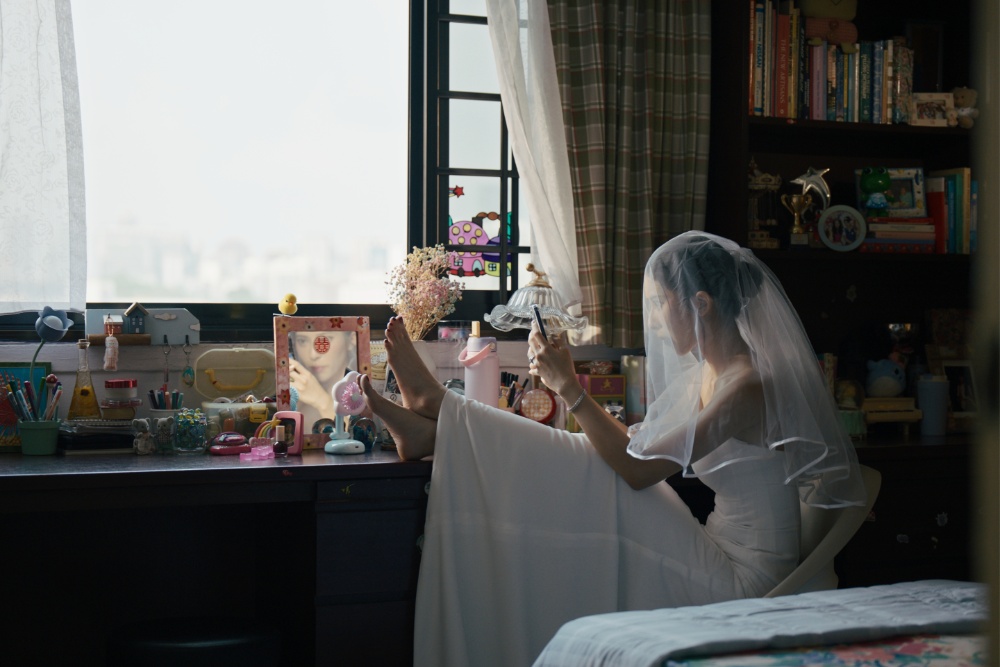
Penny and Allan, a Singaporean couple who built a modest side hustle by selling photographs of Penny’s feet, never imagined that their modest venture would collide with a chilling twist in their own kitchen. Their business, run from a sleek apartment on Orchard Road, caught the eye of director Huang Junxiang, who wove their story into his debut feature, Build to Order. Three months after the first sale, a corpse turns up in their freezer—an absurd, darkly comic turn that the film uses to explore the underbelly of online fetish markets.
The couple’s day job is in real estate; both work for a prominent agency that manages luxury listings in the city’s high‑rise towers. When the pandemic forced many to seek new income streams, Penny and Allan discovered a niche marketplace that rewarded detailed, high‑resolution images of feet with quick, anonymous payments. Their partnership was as much about creative collaboration as it was about financial survival, and they spent late nights editing photos, researching hashtags, and navigating the thin line between curiosity and exploitation.
Build to Order follows the couple’s routine as it spirals into a surreal nightmare. The film starts in the banal setting of a Singapore apartment, the hum of the fridge punctuating the quiet. Huang then layers in the absurd—Penny’s feet, Allan’s bewilderment, the sudden appearance of a cold, motionless body. The narrative shifts from comedic to macabre as the couple grapples with guilt, legality, and the strange new reality that has replaced their routine. The story is a commentary on how digital economies can distort everyday lives and how a seemingly harmless side gig can lead to unforeseen consequences.
Background & Context
Huang Junxiang, long known in indie circles for his sharp, satirical shorts, takes a daring leap with Build to Order. His previous work, Ghost in the Gallery, was a tongue‑in‑cheek exploration of art fraud that earned him a best‑director nod at a regional film festival. In this feature, he marries humor with horror, creating a narrative that is at once playful and unsettling. The director has often spoken about the tension between reality and imagination in his work, and this film feels like a culmination of those themes.
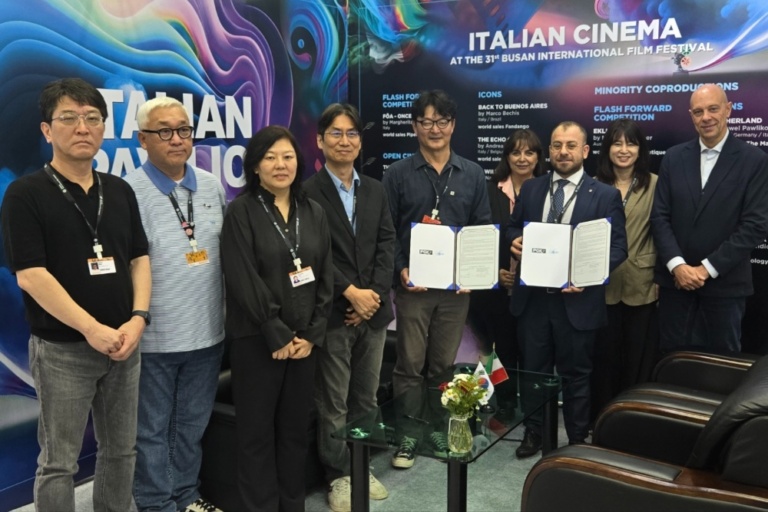
The Taiwan Creative Content Fest, where the film premiered, is a growing platform that showcases experimental storytelling from across Asia. It gathers writers, directors, and creators who are pushing the boundaries of conventional cinema. By selecting Build to Order for its opening night, the festival signals its commitment to bold, genre‑blending projects that challenge audiences’ expectations. The event also offers a networking hub for filmmakers, providing exposure to potential distributors and collaborators.
Singapore’s film industry has increasingly turned its eye to subcultures and fringe markets as fertile ground for narratives. The city’s tight regulation and emphasis on high‑tech production make it a unique laboratory for experimenting with new media. Build to Order taps into this zeitgeist, exposing the intersection of gig work, fetish economies, and the anxieties that surface when online transactions leave traces that can be followed in the physical world.
What People Are Saying
Audience reactions to the film at the Taiwan Creative Content Fest were immediate and varied. Early screenings drew crowds that left the theater in fits of laughter, then silence as the plot shifted to the cold, stark kitchen scene. Many viewers noted the film’s quick pacing, the way it keeps the camera close to the couple’s faces, making the viewer feel complicit in their confusion. The unexpected climax—an unmarked body in a freezer—was cited as the film’s most memorable moment.
Critics have praised Huang’s ability to balance the absurd with genuine pathos. Reviewers highlighted the director’s use of light and shadow to mirror the couple’s internal conflict. While some critics found the film’s jump into horror disconcerting, they also acknowledged that it serves as a metaphor for the invisible risks that accompany online entrepreneurship. The dialogue, sparse yet pointed, captures the couple’s growing unease, and the pacing keeps the audience on edge, unsure of whether they’re watching a comedy or a warning.
Word of mouth spread quickly beyond the festival. Social media users on platforms where the film was streamed shared screenshots of the most shocking scene, sparking debates about the morality of foot fetish markets and the responsibilities of both sellers and buyers. Some commenters expressed surprise at how the film humanized the couple, turning a niche business into a relatable, if bizarre, cautionary tale. Others debated the film’s ethical implications, questioning whether it inadvertently glorifies a potentially exploitative practice.
What Happens Next
Following its successful debut, Build to Order is slated to travel to a series of international festivals, including events in Seoul and Berlin. The filmmakers are in discussions with several distributors who are intrigued by the film’s blend of dark humor and social commentary. While the film remains an independent production, its growing buzz could attract attention from streaming platforms seeking fresh, provocative content.
The story of Penny and Allan, as portrayed in the film, may prompt broader conversations about online marketplaces that facilitate niche fetishes. As regulators and platform owners grapple with how to manage such content, the film’s narrative offers a cautionary lens on the potential for crime, exploitation, and the psychological toll of operating in anonymous digital spaces. It may also influence how creators and audiences think about the ethical dimensions of content that thrives on personal vulnerability.
Meanwhile, the real-life couple—if the filmmakers’ portrayal aligns with their actual experience—might find themselves navigating a complex media landscape. The film’s release could attract curiosity from both curious viewers and industry insiders, raising questions about privacy and the responsibilities of those who become unwilling subjects of artistic exploration. The couple’s decision to remain behind the scenes or to engage with the public will shape the next chapter of their unexpected story.
In the end, Build to Order forces us to confront the paradox of modern entrepreneurship: the promise of quick money often collides with unseen, sometimes chilling realities. As audiences laugh, gasp, and then reflect, the film becomes more than a quirky horror‑comedy—it becomes a mirror held up to a society increasingly dependent on the digital economy’s unseen corners.
Read more celebrity news at MyWorldPulse.