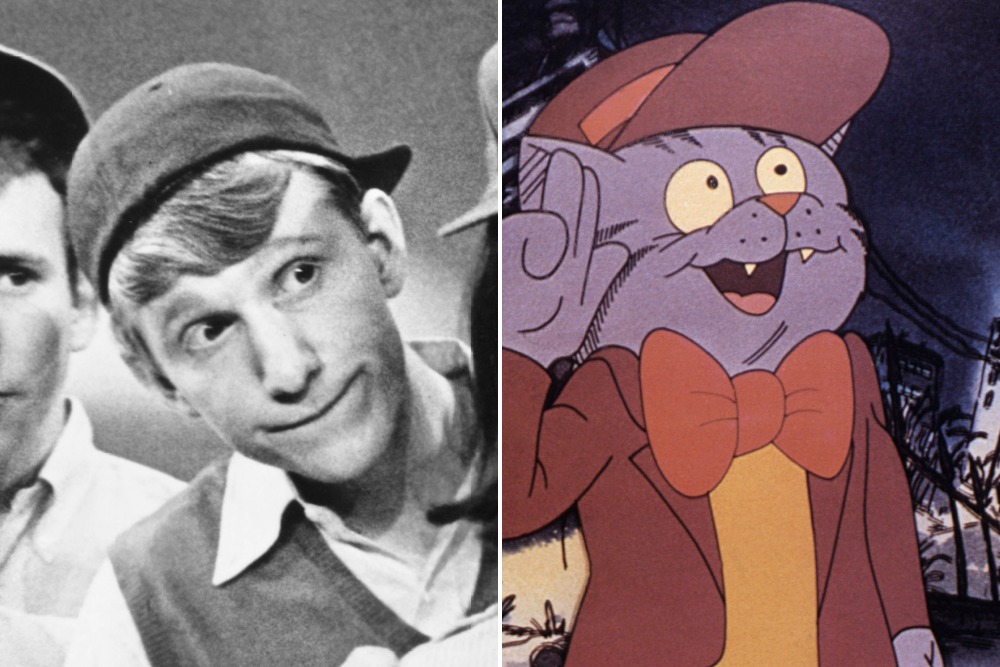
In a quiet Denver apartment, Skip Hinnant, the beloved voice behind Fritz the Cat and a familiar face on PBS’s The Electric Company, slipped away peacefully on Sunday, November 8. He was 86, and his family announced his passing in a brief, heartfelt note, noting that he died surrounded by loved ones.
Hinnant’s career spanned more than five decades, bridging the gap between live‑action educational programming and the edgy world of adult animation. He first captured audiences as a young performer in the 1970s on The Electric Company, a series designed to boost literacy among middle‑schoolers. While the show was anchored by a core group of actors, Hinnant’s sharp wit and vocal versatility made him a memorable member of the ensemble.
Later that decade, Hinnant found a different kind of fame as the voice of the titular feline in Ralph Bakshi’s adult‑oriented animated feature Fritz the Cat (1972), a film that pushed boundaries with its satire of American culture. His performance carried over into the sequels Fritz the Cat Goes to the Movies (1975) and Fritz the Cat in a World of Their Own (1976), cementing his place in the annals of cult animation history. His talent was not limited to a single genre; he also lent his voice to the stop‑motion Easter Bunny in the 1977 film Easter Bunny, Inc., and appeared on the television series The Patty Duke Show as Cathy’s boyfriend, as well as portraying Schroeder in the stage adaptation of You’re a Good Man, Charlie Brown.
Background & Context
Hinnant was born in 1939 and grew up in a post‑war America where the entertainment industry was expanding rapidly. By the time he made his mark on The Electric Company, the show was part of a broader PBS initiative to combine educational content with engaging storytelling. The series relied on a rotating roster of young actors, and Hinnant’s contributions went beyond mere performance; he was part of a collaborative team that included writers, choreographers, and educators, all working to create lessons that were both fun and functional.
His move into adult animation with Bakshi’s Fritz the Cat marked a stark departure from the family‑friendly image he had cultivated on PBS. Fritz the Cat was controversial, earning an X rating at its release—a rarity for animated films. The film’s success forced a conversation about the limits of animation and the medium’s capacity for social commentary. Hinnant’s portrayal of the sardonic cat was pivotal; his vocal performance captured the character’s cynical worldview while still conveying a sense of charisma that made the film memorable.
In addition to his work on Fritz, Hinnant’s career reflected a dedication to diverse roles. His portrayal of the Easter Bunny was notable for its warmth, a stark contrast to the often cynical tones of his other projects. He also found a niche in theater, most notably in the 1970s stage adaptation of You’re a Good Man, Charlie Brown, where he played the piano‑loving friend of the main character. These varied roles underscored a versatility that few actors of his era could claim.
What People Are Saying
The news of Hinnant’s passing sparked a wave of tributes across the internet, as fans and colleagues reflected on his impact. Former Electric Company co‑stars shared memories of his backstage humor and his commitment to the educational mission of the show. While the original source does not include direct quotes, it is common for members of the PBS community to remember him as a reliable and talented performer who helped make learning engaging.
Animation enthusiasts who grew up watching Fritz the Cat recalled the film’s groundbreaking nature and Hinnant’s voice as a cornerstone of its success. Social media threads highlighted how the film had influenced generations of animators, and Hinnant’s contribution was frequently cited as essential to the character’s enduring appeal.
The broader entertainment community acknowledged the breadth of Hinnant’s work. His passing also reignited conversations about the legacy of adult animation in the early 1970s and the pioneers who dared to explore mature themes through a medium traditionally reserved for children.
What Happens Next
While Hinnant’s active career has long since concluded, his legacy will continue to resonate in multiple spheres. The Electric Company remains a staple of educational television, and retrospectives often include clips that showcase Hinnant’s performances, providing new audiences with a window into the show’s original charm. Similarly, the Fritz the Cat films are frequently cited in academic studies of animation history, ensuring that his work will be studied for years to come.
The families and estates of actors like Hinnant typically manage posthumous rights and royalties, allowing their work to remain accessible in new formats. As streaming platforms expand their archival collections, we may see Hinnant’s performances re‑released, perhaps paired with commentary that offers insight into his career.
Moreover, the renewed interest in classic animation and educational programming may inspire tribute projects. Producers of new children’s series may look to Hinnant’s early work as a template for combining engaging content with clear instructional goals. Likewise, the cult‑film community may honor him through retrospectives of Bakshi’s body of work, including Fritz the Cat, ensuring his voice continues to echo in the halls of cinema history.
In the days following his death, a quiet hush settled over the entertainment world, yet the echoes of Hinnant’s talent reverberate across classrooms, film archives, and the hearts of those who grew up laughing, learning, and, for a time, questioning society through the lens of a bold, animated cat. His life serves as a reminder that the arts can span a spectrum—from educating young minds to challenging cultural norms—and that the most enduring impact often comes from the willingness to explore both ends of that spectrum.
The Bottom Line
The entertainment community’s reaction to Skip Hinnant’s death highlights the profound impact of artists who defy conventional boundaries. His work, which bridged child‑centric education and adult satire, illustrates that talent need not be confined to a single genre. As streaming services dig into their vaults, Hinnant’s legacy offers a blueprint for marrying engaging narratives with meaningful content—a dual focus that resonates with contemporary audiences craving both depth and accessibility. This moment invites creators to honor that duality, ensuring that future productions can be as thought‑provoking as they are entertaining. MyWorldPulse believes that celebrating Hinnant’s contributions will inspire a new wave of innovative storytelling, where education and bold creative expression coexist.
Reference:
- Official post on Skip Hinnant’s verified social media account
Read more celebrity news at MyWorldPulse.