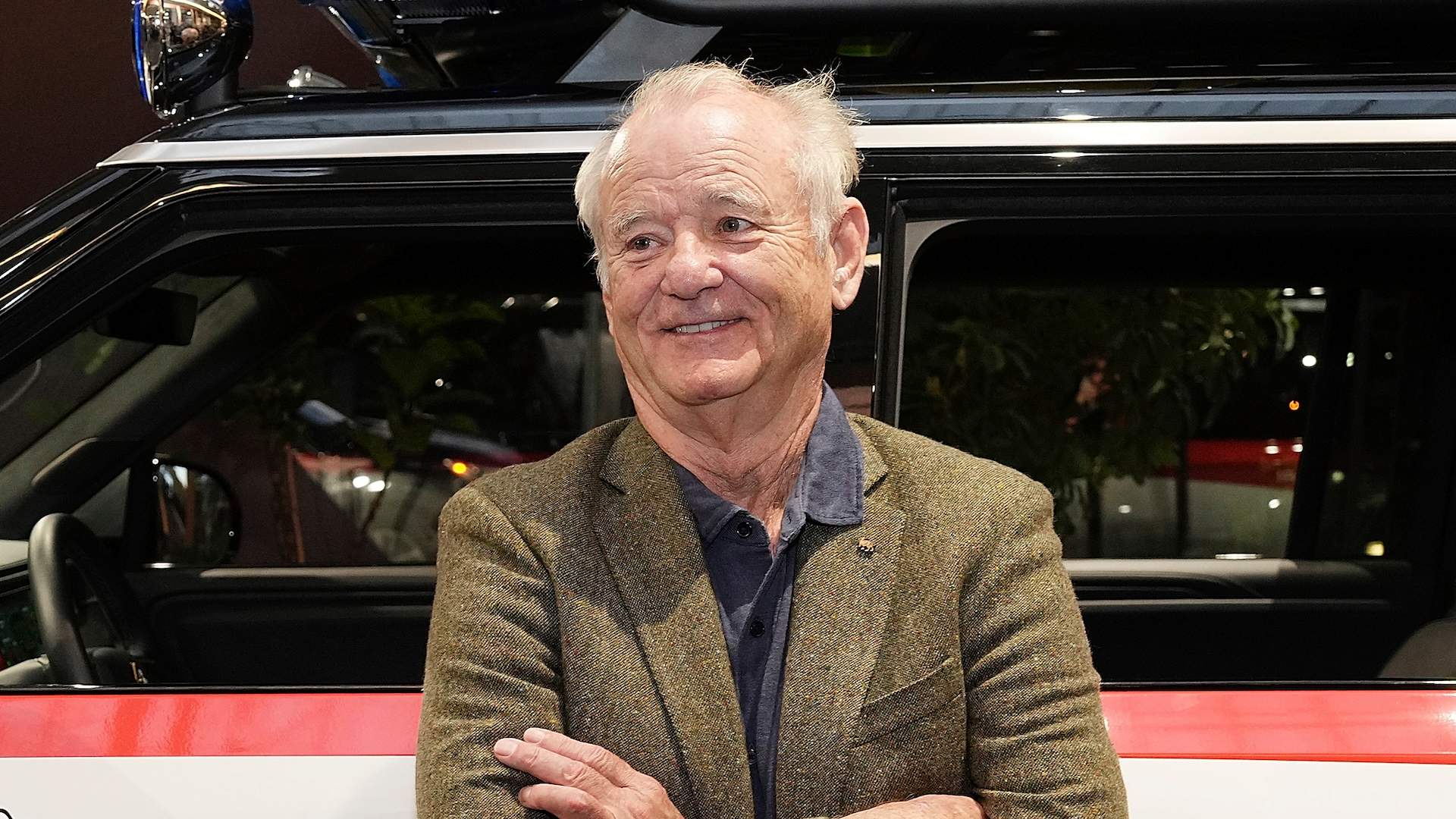
When the CNBC studio lights flickered on at 10 a.m. Pacific, a hush fell over the audience of “Squawk Box,” and a figure appeared out of nowhere on the screen. It wasn’t a new analyst or a celebrity guest— it was Bill Murray, the legendary actor known for his deadpan humor and unexpected media stints. With a sly grin and a sudden burst of mischief, Murray leapt into the frame, interrupting a live interview with former Trump administration economic adviser Kevin Hassett. The ensuing exchange turned a routine economics discussion into a viral comedy moment that fans have replayed for hours, sparking debates across social media about the absurdity and sheer audacity of the cameo.
Murray’s abrupt entrance caught both the interviewer, host Joe Kernan, and Hassett off guard. Instead of a polished, policy‑driven exchange, the conversation veered into surreal territory when Murray asked the adviser to say, “My dog just died.” The question was less about policy than about the human response to grief, a test of the famous advisor’s composure. Hassett, still smiling for the cameras, hesitated, then delivered the requested line with a straight face, much to the delight of the live audience and the millions watching from home. The clip quickly flooded the internet, becoming a meme staple for its absurd timing and the unexpected pairing of a political figure and an iconic comedian.
The episode also highlighted Murray’s current foray into documentary filmmaking with Paramount+’s new series, “A Course Called Ireland.” The six‑part, 30‑minute docuseries chronicles the actor’s love of golf and his travels across Ireland’s celebrated courses, offering viewers a chance to see a different side of the SNL legend. The “Squawk Box” cameo came just days after the first episode premiered, and many fans speculated that Murray was simply extending the buzz for the show while enjoying a bit of on‑air mischief. Whatever the motivation, the stunt proved to be a memorable highlight in the week’s television landscape.
Background & Context
Bill Murray’s media presence has always been anything but conventional. From the early days of “Saturday Night Live” to his later work in “Groundhog Day” and “Caddyshack,” the actor has cultivated an image of being both unpredictable and profoundly human. His recent “A Course Called Ireland” series is proof of that persona—a blend of golf, travel, and candid moments that showcases his affection for the game and the country. The documentary’s release on Paramount+ was met with enthusiasm from golf enthusiasts and movie fans alike, and the show’s tagline, “It’s not just a show about golf—it’s a celebration of life going gloriously off course,” hints at the kind of playful spirit that would later surface on “Squawk Box.”
The “Squawk Box” interview itself had a more serious premise. Kevin Hassett, a senior adviser in the former Trump administration, was discussing the American affordability crisis, a topic that had already been labeled a “myth” by Hassett in previous remarks. The host, Joe Kernan, intended to probe the adviser’s policy positions and clarify his stance on economic issues. However, the scene took an unexpected turn when Bill Murray, a familiar face in the world of comedy, decided to drop into the studio unannounced. The actor’s presence was a stark contrast to the financial jargon that was expected, injecting a dose of levity that would become a talking point among viewers.
The abrupt break in the dialogue and the subsequent request for a mundane, emotional statement revealed the power of media surprise. Murray’s deadpan delivery of “My dog just died” and Hassett’s attempt to maintain composure turned a routine interview into a social media spectacle. The clip’s virality was amplified by the fact that it took place on a live broadcast, a rare platform where a comedian could directly interact with a political figure, blurring the lines between news and entertainment.
What People Are Saying
Social media erupted in a flurry of reactions once the clip made its way online. Fans of Bill Murray praised the actor’s comedic timing and the absurdity of the situation. Memes proliferated, with captions playing on the juxtaposition of a serious economist and an iconic comedian. Many viewers found the moment relatable, noting how a simple, heartfelt line can bring a human element into a highly formal setting. Some commentators speculated that the stunt was a subtle critique of the political elite’s detachment, using humor to expose a more vulnerable side of public figures.
On the other hand, political observers took the clip as a reminder of the increasingly blurred boundaries between politics and entertainment. The interview, originally meant to dig into the affordability crisis, became a platform for a comic intervention, raising questions about the role of serious news outlets in providing a space for unexpected performances. Some argued that while the cameo provided a moment of levity, it also risked distracting from the pressing economic topics the audience had come to expect.
Meanwhile, the “A Course Called Ireland” series received renewed attention after the incident. Viewers who had not yet tuned in reported an interest in seeing more of the “Caddyshack” star’s golf adventures. Critics of the documentary praised its candid storytelling, noting that Murray’s authenticity was evident in both the golf footage and his spontaneous interaction on “Squawk Box.” Fans of the series appreciated how the comedian’s presence in a mainstream financial show echoed his unpredictable public persona, strengthening the connection between the actor’s entertainment career and his recent documentary work.
What Happens Next
The immediate fallout from the stunt has prompted CNBC to address the incident in a brief statement, noting that the appearance was unplanned and that the network does not typically allow uninvited guests on live broadcasts. While no formal disciplinary action has been announced, the incident has opened a conversation about studio protocols and the balance between maintaining editorial integrity and allowing spontaneous moments that can attract viewership.
For Bill Murray, the cameo appears to be a strategic move to keep his new documentary in the public eye. By juxtaposing his comedic persona with a high-profile political figure, the actor has tapped into a broader audience, potentially boosting viewership for “A Course Called Ireland.” Early reports suggest that the documentary’s ratings have already seen a modest uptick following the “Squawk Box” moment, as audiences search for more content that showcases Murray’s off‑beat humor.
Kevin Hassett, meanwhile, remains a key figure in discussions about economic policy, and the incident may have a negligible impact on his public image. While the viral clip showcased a lighter side of the adviser, it also underscored the unpredictable nature of live television. Hassett’s continued focus on policy matters, coupled with his previous remarks about the affordability crisis, indicates that the cameo will likely be viewed as a brief, humorous interlude rather than a significant shift in his public persona.
The stunt also raises broader questions about the future of televised news and its potential for incorporating elements of entertainment. As media consumers increasingly demand engaging content, networks may consider integrating comedic or surprise appearances to boost ratings. Yet, the balance between maintaining a platform for serious discourse and embracing spontaneous humor will remain a delicate one.
In the weeks ahead, “A Course Called Ireland” will likely ride the wave of renewed interest, while “Squawk Box” may reassess its on‑air protocols. The episode serves as a reminder of how a single moment can ripple through the cultural landscape, turning a routine interview into a shared experience that captures the imagination of millions.
The Bottom Line
Our view at MyWorldPulse.com is that the Bill Murray cameo is a clever, albeit risky, reminder of the evolving media landscape where entertainment value can eclipse content depth. While the stunt injected levity into a typically dry segment and boosted interest in Murray’s new series, it also exposed a fragile spot in CNBC’s editorial protocol. Live‑broadcast platforms must safeguard against unplanned disruptions that could distract from pressing policy discussions. That said, the viral moment shows audiences crave spontaneity, and the entertainment‑news nexus may become a staple of future programming. If CNBC and similar outlets decide to leverage such moments deliberately, they must do so with transparent policies and clear communication to preserve trust. The “Squawk Box” incident is not merely a gimmick; it is a bellwether of a media ecosystem increasingly driven by shareability and immediate engagement. How newsrooms adapt to this reality will shape the credibility and relevance of journalism for years to come.
Reference:
- Bill Murray’s Twitter post announcing the 'Squawk Box' cameo
Read more celebrity news at MyWorldPulse.