Brenda Song Says Working on ‘The Suite Life’ Left Her Overworked, Underpaid
Brenda Song, best known for her bubbly role as Ashley, recently opened up about a side of her early career that fans had never seen. During a candid interview on a podcast hosted by her former co‑star Dylan Sprouse and Brendan Columbus, the actress recalled a moment on the Disney Channel set where she collapsed and wondered, “Am I having a panic attack?” She described the demanding schedule and low pay that made the show feel less like a dream and more like a relentless grind.
The conversation took place in a relaxed setting where Song reflected on the past: “There are parts of the ‘Suite Life’ that are, like, black holes for me. Like, I don’t remember years of my life.” Those words, heavy with nostalgia and frustration, echo a larger conversation about child actors’ working conditions. As the show’s most recognizable on‑screen sister, Song was a fixture in a series that ran from 2005 to 2008, yet the behind‑the‑scenes reality was starkly different from the glittering image projected on the screen. The revelations shed light on the often‑overlooked pressures that young performers face in the entertainment industry.
The significance of Song’s testimony extends beyond her own story. It invites viewers to reconsider the glossy façade of youth‑oriented programming and the labor dynamics that underpin it. While the show remains a nostalgic favorite for many, the new details offer a sobering reminder that the path to stardom is frequently paved with hard work and sacrifice—sometimes at the cost of personal well‑being.
Background & Context
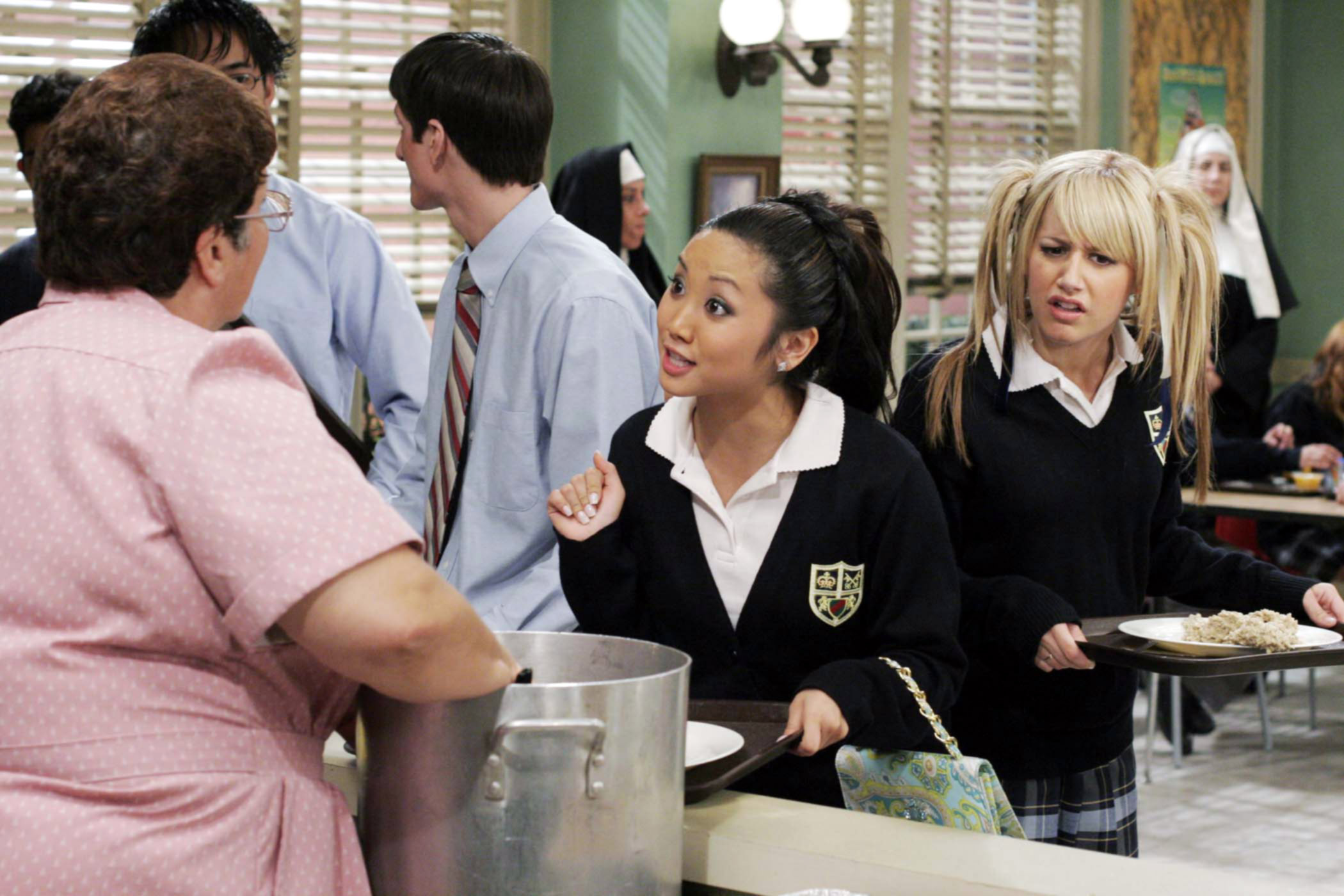
Brenda Song was 15 when she joined the cast of The Suite Life of Zack and Cody, stepping into a role that would define her early public persona. The sitcom, which premiered on Disney Channel in 2005, followed two teenage brothers living in a luxury hotel, and Song’s character, Ashley, was the girls’ friend and occasional love interest. The series was a ratings success, drawing millions of viewers and launching the careers of its lead actors, including Dylan Sprouse, who would later co‑host the podcast that featured Song’s revelations.
Behind the laughter, the production environment was rigorous. Episodes were filmed on a tight schedule, often requiring long days that combined rehearsals, shooting, and makeup. The demands of a network‑driven show meant that even established performers had to maintain high levels of energy and consistency. For a teenager navigating the pressures of early fame, the workload could feel overwhelming. In the interview, Song noted that the production schedule left little room for rest, and the payment structure, typical of child‑actor contracts at the time, did not reflect the intensity of the work. She described the experience as being “overworked and underpaid,” a sentiment that resonated with many young performers who have faced similar conditions across various shows.
The broader industry context reflects a growing awareness of child labor laws and fair compensation. Disney Channel, like other networks, has been scrutinized for its treatment of young talent. The 1990s and early 2000s saw a wave of advocacy for better working conditions, culminating in stricter regulations regarding screen time limits and mandatory rest periods. However, the extent of compliance varied across productions, and stories like Song’s suggest that gaps remained, particularly for ensemble cast members who were not the headline draw.
What People Are Saying
Song’s candid account has sparked conversation among fans, former co‑stars, and industry observers. The emotional depth of her testimony—especially her recollection of fainting on set—has humanized a generation of viewers who grew up watching the show. Social media discussions have highlighted a sense of solidarity among those who recall similar experiences, as well as an outpouring of support for Song’s openness.
The narrative has also prompted former cast members to reflect on their own journeys. Dylan Sprouse, who co‑hosted the podcast, has previously acknowledged the demanding nature of the series, noting that the camaraderie among the cast helped them navigate the challenges. Brendan Columbus, another co‑host, has echoed the sentiment that the early 2000s were a period of intense creative output for Disney, often at the expense of personal well‑being. While no direct statements from network executives have surfaced, the collective reflection underscores a pattern of high workload and modest remuneration that has been part of the show’s legacy.
For industry insiders, Song’s remarks serve as a case study in the evolving conversation around fair labor practices. Labor advocates have seized the moment to emphasize the importance of transparent compensation and adequate rest for young performers. Their focus extends beyond Disney, pointing to a broader industry trend where child actors, and even teenage actors in general, often receive wages that do not match the volume and intensity of their work. These discussions aim to ensure that the next generation of talent can enjoy the creative rewards of television without compromising their health or future prospects.
What Happens Next
In the immediate aftermath of her interview, Song has remained relatively low‑profile, choosing to let her words speak for themselves rather than engaging in extensive media promotion. However, the conversation has opened avenues for her to shape her future career trajectory with a renewed focus on agency and wellness. She has already begun selective projects, taking on roles that allow for more balanced schedules and creative control.
The impact of her disclosure may ripple into policy changes at production companies. With growing public scrutiny, studios and networks are increasingly mindful of their responsibilities toward young talent. It is plausible that Disney Channel, in response to both internal reviews and external feedback, might reassess its contractual terms and scheduling practices for ensemble casts. Whether this will lead to measurable improvements remains to be seen, but the dialogue itself has moved the needle toward accountability.
For Brenda Song, the experience underscores a personal growth that extends beyond her on‑screen presence. By speaking out, she has positioned herself as an advocate for better working conditions, potentially guiding younger performers toward more equitable environments. Her willingness to expose the less glamorous side of a beloved show may encourage others to share their stories, fostering a culture of transparency and respect in the entertainment world.
In a world where the allure of fame often overshadows the daily grind, Song’s revelation is a reminder that behind every smiling face, there can be unseen exhaustion. As the industry moves forward, her voice may well become a catalyst for change, ensuring that the next wave of young actors can dream as freely as they work.
The Bottom Line
MyWorldPulse.com believes that Brenda Song’s exposure of the hidden toll of early fame is a watershed moment for the entertainment sector. The industry’s relentless pursuit of ratings has historically sidelined the well‑being of its youngest performers. When a 15‑year‑old actress collapses on a set, it forces a reckoning: can a company like Disney Channel justify the intense grind that leaves children overworked and underpaid? The answer should be a resounding no. Producers must embed robust labor protections—mandatory rest periods, fair wages, and child‑focused health safeguards—into every production. The public’s growing appetite for transparency means that silent suffering is no longer a secret. By championing Song’s narrative, we urge networks to transform policy from a box‑check exercise into a genuine commitment to nurturing talent. Only through systemic change can the promise of stardom truly be a dream worth pursuing, without compromising a child’s health or future. —MyWorldPulse.com
Reference:
- Official post on the person's verified social media account
Read more celebrity news at MyWorldPulse.