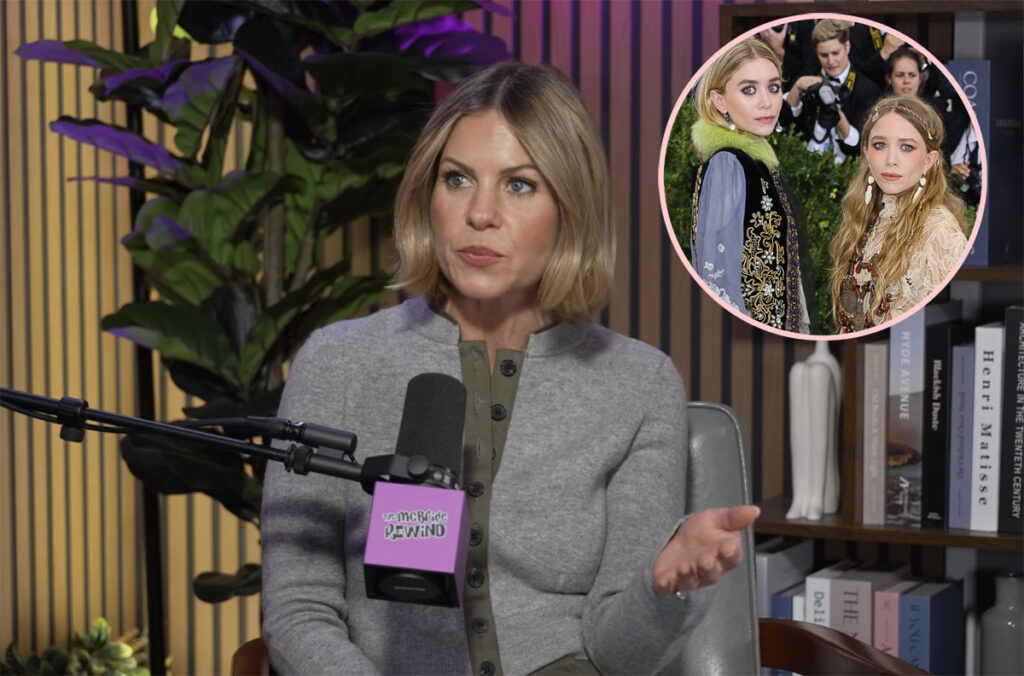
On a quiet Tuesday, Candace Cameron Bure let the world in on why the 2016 reboot of Full House will not feature the iconic Olsen twins, a revelation that sent shockwaves through the fanbase that had been waiting for a complete cast reunion. While she was busy navigating the past, Hallmark star Jen Lilley took the microphone to a different personal frontier, confiding in listeners about a 15‑year battle with bulimia and how the support of her husband and faith became the cornerstone of her recovery.
The two stories, though separated by genre and subject, intersect at the crossroads of nostalgia and authenticity. Fans of the beloved family sitcom were left to wonder why the original ensemble couldn’t come together again, while viewers of holiday movies were offered a candid, unfiltered look into a woman’s struggle and triumph. Together, they paint a vivid picture of how celebrity culture is evolving: from polished nostalgia to raw vulnerability.
Background & Context
Full House, the classic 1980s family sitcom that introduced generations to Danny Tanner’s household, enjoyed a brief revival in 2016 with Fuller House. The reboot kept many beloved characters and even introduced new family members, but the central question remained: could the original cast reunite? In an interview on The McBride Rewind podcast, Cameron Bure explained that the idea was floated by the show’s creator Jeff Franklin and his co‑star John Stamos, not by her. She remembered the countless calls that came in about bringing the Olsen twins—Mary‑Kate and Ashley—back into the fold. The twins, who had begun acting as babies and later pivoted to a highly successful fashion business, simply declined. Cameron noted that their age and distance from Hollywood meant the pull to return had never been the same. “They were babies,” she said, adding that they “probably don’t even remember half the stuff.” Her candidness underscored that while the show’s chemistry had endured, the logistics of a full‑cast reunion were no longer practical.
In a separate sphere of daytime drama and holiday romance, Jen Lilley had built a career that spanned Hallmark movies and the soap opera Days of Our Lives. After a brief stint with Great American Family in 2022, she returned to Hallmark, most recently appearing in Love Under the Mistletoe. Her new film project—a biopic titled Jimmy—provided the perfect platform for her to address a long‑hidden struggle. During a recent appearance on the “We’re Out of Time” podcast, Lilley opened up about her 15‑year battle with bulimia. She recounted the pivotal moment when she first shared her condition with her husband, a confession that brought him to tears. She detailed the practical steps they took together—locking the pantry, removing junk food, and maintaining accountability—to keep her from binging. The story didn’t end at the first relapse; she admitted to rebounding during Thanksgiving and Christmas, but she also chronicled her eventual breakthrough. Remarkably, Lilley’s recovery came without drugs or formal therapy, relying instead on the steadfast support of her spouse and faith.
Both women, steeped in long‑running franchises, find themselves at crossroads of past legacy and present honesty. The Full House reboot’s lack of a complete reunion is a nod to the realities of time and ambition, while Lilley’s confession reminds audiences that even those in the public eye battle invisible battles.
What People Are Saying
Social media erupted in a mixture of disappointment and understanding over Cameron Bure’s revelation. Fans who had imagined a nostalgic gathering of the original cast expressed sadness that the Olsen twins would not reprise their roles, but many also acknowledged the practicality of their decision. Commenters appreciated Bure’s transparency, noting that the show’s continued success without the twins speaks to the strength of the characters and the storyline’s relevance to newer generations.
Jen Lilley’s candid discussion about bulimia resonated powerfully across the web. Viewers praised her honesty, noting that her story shed light on an issue that affects many. Her admission that the recovery was achieved through husbandly support and spiritual faith sparked conversations about alternative paths to healing beyond conventional therapy. In a broader sense, Lilley’s openness has helped to destigmatize eating disorders and fostered a community of shared understanding. Fans of her Hallmark work expressed gratitude for her vulnerability, while new viewers who had not followed her career for years were introduced to a new dimension of the actress beyond her holiday romances.
Both responses illustrate a shifting paradigm in entertainment. Audiences are no longer content with polished, scripted narratives alone; they crave authenticity and relatability. Whether it’s the absence of a beloved cast or a personal health struggle, the public’s reaction underscores an appetite for genuine human stories.
What Happens Next
For Full House, the absence of a full reunion does not signal the end of the franchise. Reruns of the original series remain available on streaming platforms, keeping the show alive for nostalgic fans. The 2016 reboot, Fuller House, continues to generate interest, and the possibility of cameo appearances or a future special episode remains a tantalizing prospect. Candace Bure’s involvement in such projects would still honor the original spirit, even if the Olsen twins cannot participate. Industry insiders hint that the creators might explore alternative ways to honor the legacy, perhaps through tribute episodes or digital fan‑interactions that capture the essence of the ensemble.
Jen Lilley’s trajectory points toward a renewed focus on personal storytelling. While she continues to embrace Hallmark projects—most notably her role in Love Under the Mistletoe—she also is set to star in the biopic Jimmy, a project that may allow her to explore complex characters that reflect her own growth. Her candid conversation about bulimia positions her as an advocate for mental and physical health, and she may leverage her platform to speak at events, contribute to public health campaigns, or support organizations that help those battling eating disorders. Her marriage and faith remain cornerstones of her life, and she has expressed a desire to inspire others by sharing how she navigated those challenges.
The broader entertainment landscape watches with keen interest. If the Full House reboot ever decides to revisit a full‑cast reunion, the story will still be anchored in the reality that not all original actors can return. In contrast, the path of vulnerability and authenticity that Jen Lilley has paved may influence how actors approach personal challenges publicly. In both cases, the underlying message is clear: the past can be honored, but the present—and the future—requires new, honest narratives.
In the end, the surprising twist in a Full House reunion and the courageous confession of a Hallmark star underscore a simple truth: even the most cherished memories and celebrated careers are made richer when they’re told with honesty, humility, and a willingness to share both triumphs and trials.
The Bottom Line
MyWorldPulse.com believes that the industry’s future hinges on balancing cherished nostalgia with genuine authenticity. Candace Cameron Bure’s candid explanation of why the Olsen twins will not return to Full House highlights the real constraints that often derail fan‑fueled reunion fantasies—time, distance, and evolving career priorities. Simultaneously, Jen Lilley’s brave confession of a 15‑year bulimia battle, navigated with her husband’s support and faith rather than mainstream therapy, challenges the stigma surrounding eating disorders and showcases the power of personal agency. Together, these stories demonstrate a cultural shift: audiences no longer settle for glossy, scripted reunions; they demand honest, human narratives. For producers, this means revivals can’t merely rely on star power; they must respect the authentic trajectories of the people involved. For viewers, it offers a more nuanced connection to beloved characters and their real‑life counterparts. In a world where authenticity can outshine nostalgia, entertainment brands that embrace vulnerability will not only survive but thrive.
Reference:
- Candace Cameron Bure interview on McBride Rewind podcast
- Jen Lilley interview on We're Out of Time podcast
Read more celebrity news at MyWorldPulse.