When the clock struck 8 p.m. on Sunday, Oct. 4, a collective sigh of satisfaction swept across living rooms nationwide. Families, friends, and the occasional solitary fan gathered around flickering screens, their faces illuminated by the glow of CBS’s new slate of shows. The network’s premiere week drew an average of 8.63 million viewers, a 14 percent jump from the same period last year, and a triumph that reverberated far beyond the studio’s polished studios.
The surge wasn't just a number on a screen; it was the result of a carefully choreographed dance between tradition and change. CBS, long known for its dependable dramas and classic comedies, pushed forward into the 2026 television season with a mix of fresh voices and beloved veterans. Meanwhile, the streaming world watched in equal measure as the Stephen King‑inspired adaptation Carrie debuted, climbing to the top of overall viewership charts in its opening week. Together, these figures paint a portrait of a TV landscape that is neither static nor chaotic but one that still hinges on the human urge to gather, share, and be entertained.
The story that truly drives these numbers is the story of the people behind the data. It’s the family at the kitchen table flipping through channels, the college roommates swapping streaming passwords, the senior citizen humming along to a familiar theme song. Their choices—whether to stick with a linear broadcast or to jump to a binge‑ready platform—shape the television ecosystem in real time, turning statistics into lived experience.
Background & Context
CBS’s fall 2026 launch was heralded as a high‑stakes gambit by a network that has, for decades, balanced the comforting familiarity of its classic lineup with the risk‑taking required to stay relevant. The premiere week, spanning the first two Sundays of October, showcased an array of new series and returning favorites, all measured by Nielsen’s live+7 multiplatform methodology. This approach, which tallies viewership across broadcast, streaming, and on‑demand platforms within seven days of the original airing, reflects the industry’s growing acknowledgment that audiences no longer consume content in a linear, single‑screen fashion.
The 14 percent uptick from the 2025 premiere week—when CBS averaged 7.55 million viewers—signals more than just an incremental gain. It represents a shift toward a more fragmented yet still highly engaged audience. The new series, which spanned genres from high‑stakes political thrillers to quirky family comedies, benefited from targeted social media teasers and cross‑promotions on CBS’s digital properties. The returning staples, meanwhile, drew on nostalgic loyalty, reminding viewers that a single brand could still be a beacon in an era of constant choice.
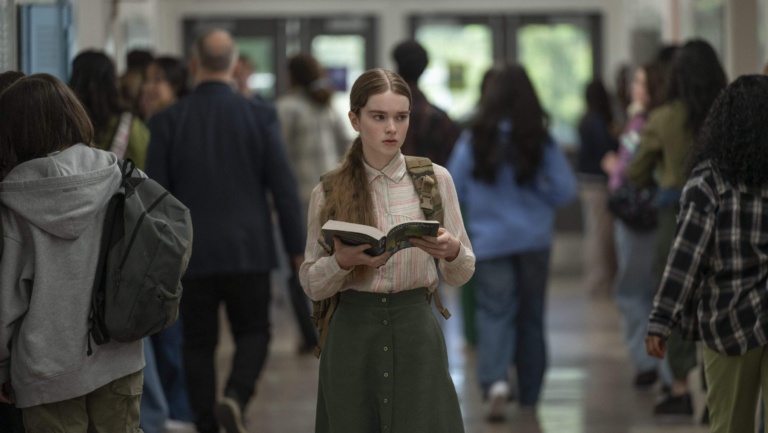
Concurrently, the streaming sector made headlines with the release of Carrie, a Stephen King adaptation that topped overall streaming viewership charts during its first week. The show’s success underlines how premium streaming content can coexist with traditional broadcast, each feeding into the other's audience base. While CBS’s numbers were anchored by linear viewership, Carrie relied heavily on the immediacy and convenience of on‑demand consumption. Together, these performances illustrate a television ecosystem in which the old and the new are not adversaries but collaborators.
What People Are Saying
The reaction to CBS’s successful premiere week has been swift and varied. Viewers across social media platforms shared their excitement, citing the seamless blend of familiar themes and fresh storytelling. A thread on a popular streaming forum highlighted how a group of friends chose to watch a new procedural drama together, turning it into a nightly ritual. Another user, who had grown up with CBS’s iconic sitcoms, praised the network for maintaining the humor and heart that had defined its legacy while embracing contemporary sensibilities.
Industry observers noted that the live+7 multiplatform metric was key to understanding the full picture. Analysts emphasized how the addition of streaming and on‑demand data has democratized viewership, allowing programs that may not have had stellar live ratings to thrive in the delayed window. CBS’s ability to capture a broader audience across platforms has been highlighted as proof of its strategic investments in digital distribution and cross‑platform marketing.
Meanwhile, the streaming community celebrated Carrie’s meteoric rise. Commentators pointed out that the show’s success could influence future production decisions, encouraging streaming services to invest more heavily in adaptations of beloved literary works. Some viewers expressed that the show's eerie aesthetic and tight pacing made it a perfect fit for binge‑watching, underscoring the importance of format and release strategy in today's content landscape.
Overall, the conversation around CBS’s performance has shifted from mere numbers to a deeper appreciation of how people connect with stories, whether they’re glued to a 24‑hour channel or scrolling through a curated on‑demand catalog. The narrative is less about competition and more about a shared cultural moment, where families gather to laugh, gasp, and feel a collective heartbeat.
What Happens Next
CBS’s strong start sets the stage for a season that will likely see continued experimentation with hybrid release models. The network is poised to capitalize on the momentum by promoting its upcoming shows through both traditional broadcast slots and digital-first campaigns. Behind the scenes, the CBS creative team is already mapping out potential cross‑promotions, such as exclusive behind‑the‑scenes content released on its streaming platform to entice viewers who tuned in to the premiere week.
Advertisers, too, are paying close attention. The 8.63 million‑viewer average demonstrates a sizable audience that spans multiple platforms, offering a lucrative opportunity for brands seeking to engage consumers in a multi‑screen environment. Expect a surge in ad placements across CBS’s linear and digital properties, as well as an increased focus on sponsorships that can tap into the network’s diverse viewership.
In the streaming arena, Carrie’s dominance could spark a wave of similar adaptations, with studios looking to replicate its success. This might lead to a more competitive environment where streaming services and broadcast networks negotiate cross‑platform deals to secure exclusive rights to high‑profile projects. The ripple effect could reshape the broader entertainment landscape, encouraging a more integrated approach to content distribution.
Meanwhile, viewers will likely remain the heart of the story. Their evolving habits—whether they opt for the communal experience of watching a show on a living‑room screen or the solitary thrill of binge‑watching on a phone—will continue to drive both CBS and streaming platforms’ strategies. As the season progresses, audiences may find themselves oscillating between the comfort of a familiar channel and the novelty of a new streaming series, reflecting a media ecosystem that thrives on flexibility and choice.
The coming weeks will tell whether CBS can sustain its surge, whether Carrie can maintain its lead, and how the symbiotic relationship between broadcast and streaming will evolve. In a world where content consumption is more fragmented than ever, the human stories behind the numbers—families sharing a laugh, friends swapping passwords, and viewers finding new favorites—remain the true measure of success.
The Bottom Line
At MyWorldPulse, we see CBS’s impressive debut as a vindication of the classic television model—one that proves people still gather around a living‑room screen to share laughs, gasp, and feel part of a community. But the surge is not a nostalgic indulgence; it is a strategic win that confirms linear broadcast can coexist with, and even enhance, streaming ecosystems. The 8.63‑million figure demonstrates that cross‑platform storytelling, anchored by strong brand identity and amplified through social‑media buzz, remains a powerful force. For advertisers, it signals a multi‑screen frontier where brand messages can be amplified across live slots and post‑air streams, capturing audiences in real time and in delayed windows. For content creators, the data reinforce the need to craft stories that can thrive in both formats—think binge‑ready arcs that still reward communal watch parties. As the season unfolds, we expect CBS to double down on hybrid releases, while streaming giants like Disney+ and Netflix will seek to replicate the success of shows like Carrie. The real takeaway? Television is not dying; it is evolving, and the audience’s choice to mix and match platforms is the engine that will drive the next wave of innovation.
Reference:
- Official CBS Twitter announcement of premiere week viewership
Read more celebrity news at MyWorldPulse.