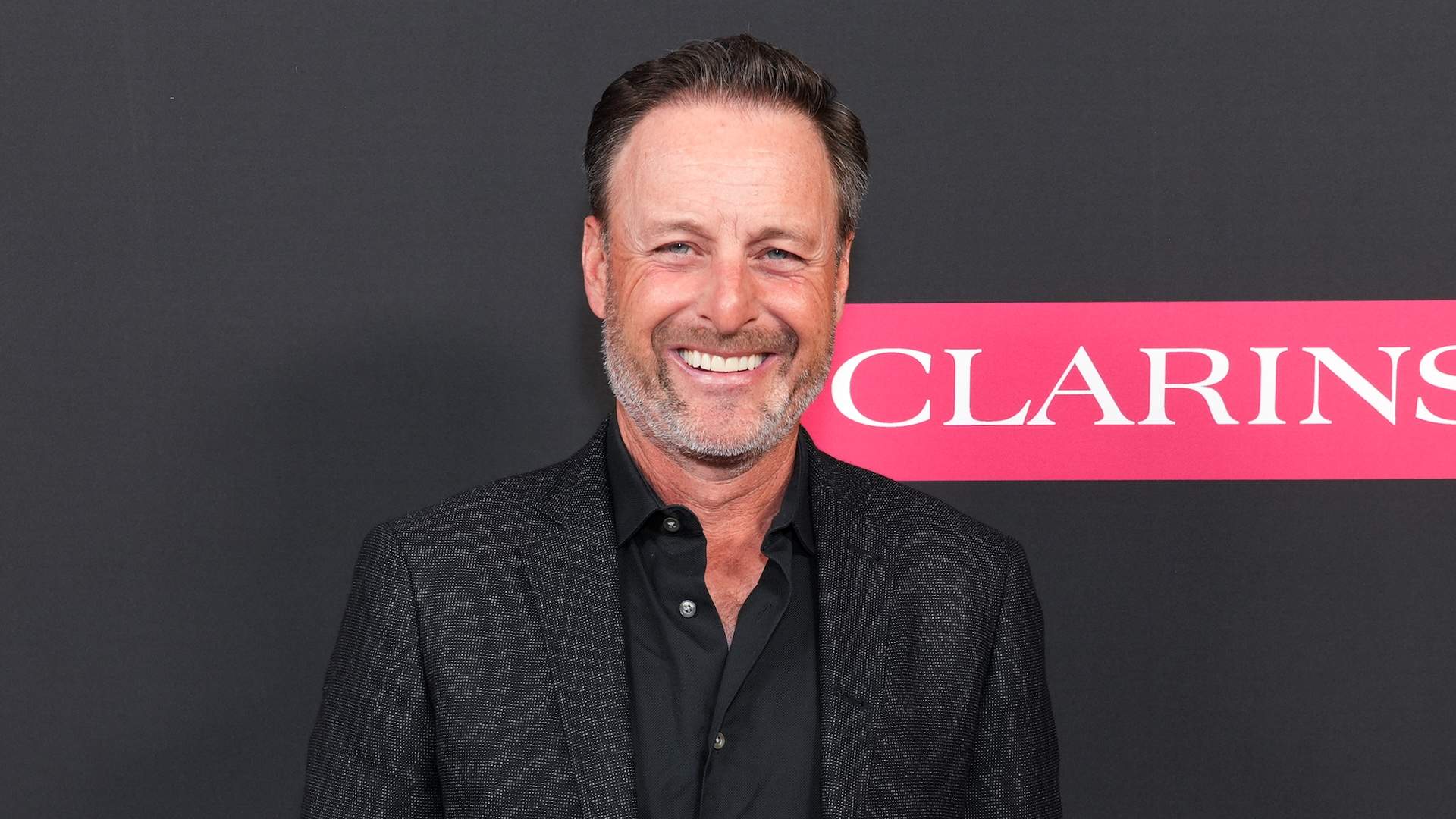
Chris Harrison stepped off the familiar red carpet of “The Bachelor” for the first time in a decade, only to find himself in a courtroom drama that feels oddly personal.
After a 25‑season career that saw him guide 1,200+ contestants through roses, roses, and roses, Harrison has returned to the small screen as host and executive producer of “The Vow,” a new romance competition that will debut on Fox Nation on November 11. The teaser he shared on Instagram—where he deliberately stomps on a red rose and then steps over it while the words “Roses fade, true love lasts forever” roll across the screen—hints at a show that could feel both familiar and fresh to fans. Yet a cease‑and‑desist from Warner Bros. TV, the studio that owns “The Bachelor” franchise, suggests the line between homage and infringement may be razor‑thin.
The legal clash, set against the backdrop of Harrison’s 19‑year tenure with the reality‑tv empire, raises questions about intellectual property, creative freedom, and the evolving landscape of romance programming. As the new series rolls out in a streaming‑first world, the fallout from the lawsuit could shape the future of televised dating shows.
Background & Context
Chris Harrison first appeared as the host of “The Bachelor” in 1999, a role that would anchor him for a quarter of a century. During that time, he cultivated a persona of gentle guidance, guiding hopeful contestants through elaborate rose ceremonies, heart‑warming confessions, and dramatic eliminations. When a controversial episode in 2021, involving a contestant’s scandal, led to Harrison’s abrupt exit, he stepped away from the franchise in 2021, citing a need to focus on personal well‑being and new ventures.
Five years later, Harrison announced that he was back in front of the camera with a new concept: “The Vow.” Fox Nation, the streaming arm of the Fox network, is slated to air the series in November. The show centers on ten contestants vying for the affection of Oregon mortgage loan officer Hace Cates, a role that echoes the original bachelor‑style matchmaking format. Among the contestants is Kylee Russell, a name familiar to fans of “The Bachelor” and “Bachelor in Paradise,” adding an additional layer of recognition for viewers.
The teaser’s imagery—red roses, a single stomp, and a line about love enduring beyond the bloom—mirrored iconic “Bachelor” motifs, but Warner Bros. TV interpreted the copy as a direct theft of its trademarked visual language. In a letter sent to Harrison and Fox Nation, Warner Bros.’ Vice President of Anti‑Piracy and Brand Protection, Ahassim Rashid, called “The Vow” a “direct copy” of “The Bachelor,” citing potential infringement on the franchise’s intellectual property. The letter prompted a swift legal response from Fox News Media, which argued that rose petals are a generic symbol of romance, not exclusive to any one show.
Harrison’s own comments reveal the emotional stakes of the dispute. He told reporters that the cease‑and‑desist “feels personal,” and he mused that “there’s been one show that they’ve gone after.” The phrase suggests a sense of isolation, as if the studio targeted him and his new venture as a singular act, rather than a broader pattern against all dating formats. He also emphasized that his enthusiasm for “The Vow” is rooted in a “faith‑driven renaissance” across America, hinting at a mission that extends beyond mere entertainment.
What People Are Saying
The controversy has sparked a flurry of reactions from industry insiders, fans, and legal analysts. Those aligned with Harrison appreciate his willingness to re-enter the dating‑show space with a concept that promises authenticity and a different twist on romance. Many fans, nostalgic for his hosting style, have expressed excitement about the prospect of seeing him once again guide contestants toward their hearts.
On the other side, Warner Bros. TV has been unequivocal in its stance, framing the lawsuit as a necessary defense of its intellectual property. By describing “The Vow” as a “direct copy,” the studio signals that it views the similarities not as inspiration but as potential misappropriation. This is not the first time a reality‑tv producer has faced legal pushback over format similarities; however, the case’s high profile—centered on a former host—may set a new benchmark for how closely competitors can align their premises.
Fox News Media’s counter‑argument has drawn attention to the broader issue of common tropes in romance programming. By asserting that rose petals are part of a genre’s visual shorthand, the network seeks to dilute Warner Bros.’ claim, positioning “The Vow” within a larger conversation about creative freedom versus trademarked aesthetics. Critics of the lawsuit argue that the reaction may be an overreach, aimed at maintaining a monopoly over a saturated genre.
Legal experts are divided on whether the lawsuit holds merit. Some suggest that while the use of roses and a bachelor‑style elimination format is standard in many dating shows, the exact staging and promotional choreography could cross into infringing territory if they replicate protected elements. Others caution that a successful claim would require Warner Bros. to prove that viewers are likely to be confused between the two shows, a standard that has proven difficult to meet in prior cases.
What Happens Next
The immediate next step for Harrison and Fox Nation is to decide whether to engage in litigation or negotiate a settlement. While the cease‑and‑desist letter signals Warner Bros.’ readiness to pursue the matter aggressively, the parties could also opt for a compromise that preserves the show’s format while addressing trademark concerns. For instance, the show could adjust its visuals, replace the rose motif with alternative symbols, or rebrand the series to reduce perceived similarity.
In the meantime, production for “The Vow” is already underway, with filming locations selected across Oregon and the cast finalizing their roles. Harrison’s statement that “Fox Nation has been an incredible partner in bringing this vision to life” indicates that the network is invested in moving forward, regardless of the legal hurdles. If the lawsuit escalates, the network’s legal team will likely lean on precedent and the argument that genre conventions cannot be owned outright.
Should Warner Bros. win a court ruling, the outcome could reverberate throughout the reality‑tv industry, prompting studios to tighten contractual safeguards and re-evaluate their use of shared visual motifs. Conversely, a dismissal of the suit would reinforce the notion that while format licensing is essential, common thematic elements remain within the public domain. Either scenario will offer valuable insight into the balance between protecting creative assets and fostering competitive innovation.
On the day the new series premieres, viewers will not only witness a fresh take on romance competition but also the unfolding of a legal battle that could redefine the boundaries of reality‑tv storytelling. As the countdown to November 11 continues, Harrison’s return—whether triumphant or turbulent—will be a barometer for the future of televised matchmaking.
The drama unfolding around “The Vow” underscores a simple truth: love, whether televised or not, is rarely a clean, conflict‑free experience. Harrison’s latest endeavor, punctuated by a single stomped rose, reminds us that the path to genuine connection often traverses the same old obstacles, even in a world of endless reboots and new formats.
The Bottom Line
MyWorldPulse.com sees this lawsuit as a watershed moment for reality‑TV innovation. While intellectual property must be respected, the industry must not stifle the creative evolution that keeps audiences engaged. Warner Bros. has the right to protect its flagship concept, but it should not be allowed to monopolize the very symbols—like a single rose—that define romance storytelling. Fox Nation’s defense that roses are a generic romantic motif is valid; these are part of the broader cultural lexicon, not a proprietary trademark. The legal system should, therefore, focus on protecting truly distinctive elements—such as a unique elimination process or exclusive production style—rather than the generic aesthetic of a romantic narrative. For creators, this case underscores the need to craft distinctive narrative hooks while remaining aware of the boundaries set by trademark law. Ultimately, the court’s decision should encourage a healthy balance: protecting genuine creative innovation without discouraging the iterative, homage‑rich traditions that drive reality‑TV’s enduring appeal.
Reference:
- Chris Harrison's Instagram teaser for The Vow
- Warner Bros. cease‑and‑desist letter to Chris Harrison
- Fox Nation press release announcing The Vow
Read more celebrity news at MyWorldPulse.