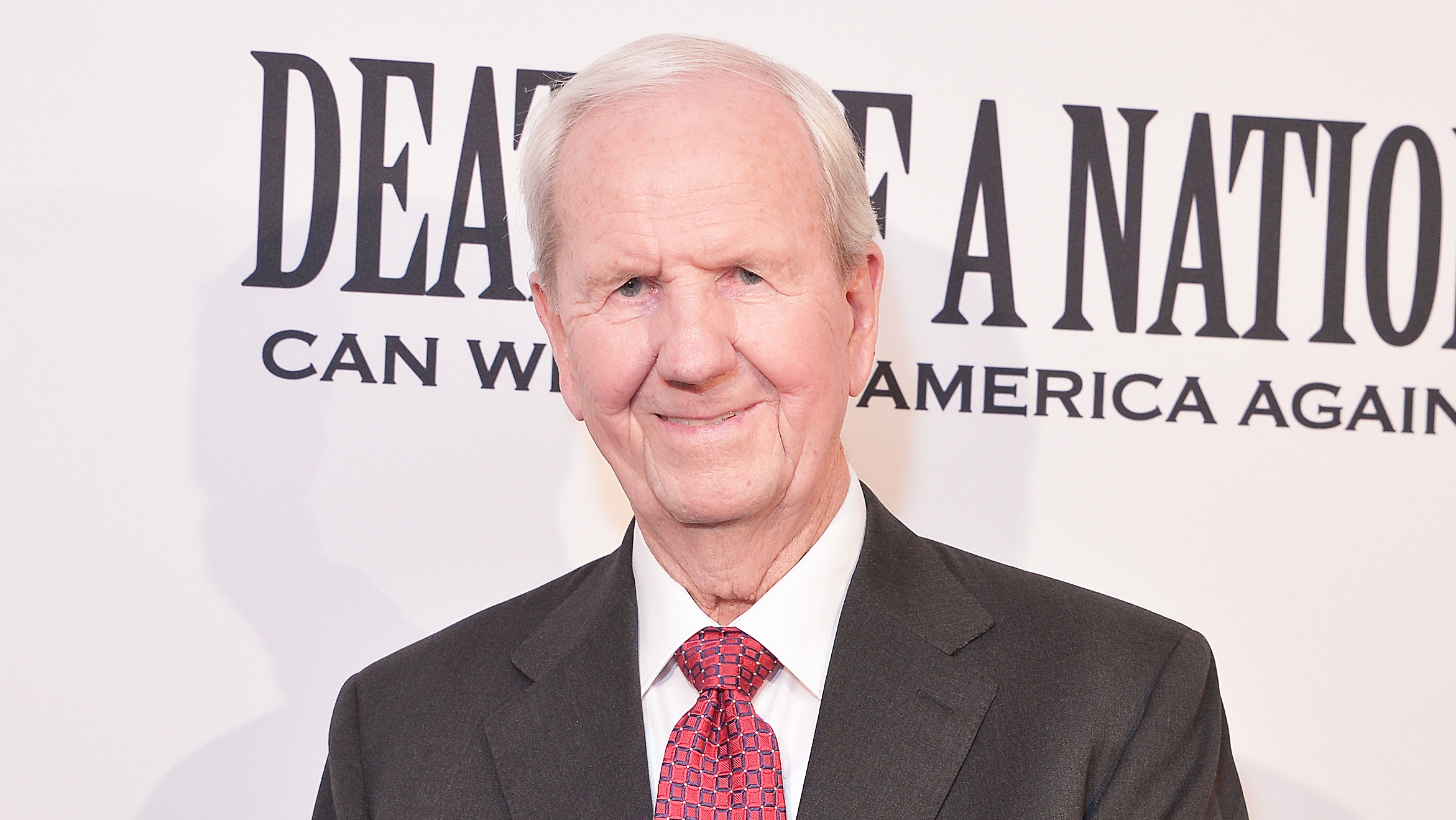
The world of cinema lost a quiet pillar this Sunday when Gerald R. Molen, the 91‑year‑old producer whose fingerprints grace some of Steven Spielberg’s most beloved films, passed away. His death was announced by his great‑niece, Rachel Lorraine Pullan, in a heartfelt Instagram post that hinted at a lifelong partnership with his beloved wife Pat and the comforting idea that he had joined his great‑grandmother in a final reunion. The news rippled through the industry, leaving a silence that spoke louder than any applause.
For decades, Molen’s name has been a familiar echo behind the grand narratives that defined a generation of cinema. From the harrowing tale of a German factory owner’s redemption in “Schindler’s List” to the breathtaking scientific thrill of “Jurassic Park,” his fingerprints are woven into the fabric of modern storytelling. He guided production teams through the logistical mazes of large‑scale sets, ensuring that visionary scripts could become tangible worlds. The award he earned for “Schindler’s List” was not just a personal triumph but proof of his unwavering commitment to authenticity and human dignity on screen.
Molen’s career was inseparable from the Spielberg empire that shaped Hollywood’s golden era. Working closely with the director for more than three decades, he helped shepherd films that spanned genres—thrillers, dramas, fantasies—and cultures. His tenure at Amblin Entertainment saw him at the helm of production for projects such as “Minority Report,” “The Color Purple,” and “Twister.” Each film carried his distinct sensibility: an eye for detail, an insistence on storytelling integrity, and a quiet leadership that kept studios and crews aligned. In many ways, he was the steady hand that allowed Spielberg’s grand visions to find practical footing.
Background & Context
Born into a world that would soon be reshaped by film, Molen began his career in the 1960s, navigating the fledgling landscapes of independent production. His early collaborations with emerging directors sharpened his eye for what made a story resonate. By the time he met Steven Spielberg in the early 1970s, he had already built a reputation for turning ambitious scripts into feasible, marketable projects. The partnership that would follow became a cornerstone of both men’s careers.
The most significant milestone of Molen’s journey arrived with the 1993 release of “Schindler’s List.” The film not only dominated the box office but also won the Academy Award for Best Picture. Molen’s role in the film’s production was pivotal—overseeing complex logistical needs, securing period-accurate locations, and maintaining the emotional integrity required by the director. The award validated a career defined by the ability to translate challenging narratives into compelling cinema.
Molen’s legacy extends beyond accolades; it lives in the countless crews he mentored and the filmic standards he helped set. His tenure at Amblin saw the studio evolve into a prolific production house, balancing commercial appeal with artistic ambition. He was known for his hands‑on approach, yet he respected the creative autonomy of directors and writers, fostering an environment where ideas could flourish.
What People Are Saying
The response to Molen’s passing has been a mosaic of gratitude and reflection. Industry veterans who worked alongside him described his presence on set as a steadying force—a quiet confidence that steadied the crew during the most demanding shoots. A former assistant producer recalled how Molen would often stay late, discussing the nuances of a scene with a director or a script supervisor, ensuring that every detail aligned with the overarching vision.
The Instagram tribute from his great‑niece, Rachel Pullan, became an emotional touchstone for those who admired his legacy. In her post, she described him as a “great uncle” who “passed on to join my great‑grandma and his dear wife Pat on the other side of the world.” The language conveyed both the personal loss felt by the family and the comforting notion of reunion, resonating deeply with a community that felt the weight of his absence.
The film community has also reflected on his contributions in a series of obituaries and memoriam pieces. These writings highlight his work on “Jurassic Park,” where his logistical acumen was essential to turning the concept of living dinosaurs into a cinematic reality, and on “Minority Report,” where he helped translate a futuristic vision into a tangible present. His colleagues have praised his dedication to maintaining the integrity of a film’s story while navigating the practicalities of production—a balance that few masters can claim.
What Happens Next
In the immediate wake of the announcement, several film studios and production companies have issued statements commemorating Molen’s impact. Amblin Entertainment, the studio he once headed, has confirmed that they will release a commemorative statement detailing his contributions to their catalog. While details of a public memorial remain to be finalized, industry insiders anticipate a gathering that will honor his life in a setting that mirrors the collaborative spirit he championed.
Molen’s death also prompts a reevaluation of his body of work within the broader context of film history. Scholars and film students are already citing his production techniques as case studies in courses focused on practical effects, set design, and narrative cohesion. His name will likely appear more prominently in retrospectives that chart the evolution of blockbuster filmmaking in the late twentieth century.
Beyond the filmic sphere, Molen’s influence echoes in the countless individuals he mentored. Former crew members have begun sharing stories of his generosity, detailing how he often used his position to provide opportunities for newcomers. The ripple effect of his mentorship will likely manifest in new filmmakers who carry forward the standards of meticulous craftsmanship he so carefully cultivated.
Final Reflections
Gerald R. Molen’s journey from a young producer eager to bring stories to life to a celebrated figure whose work helped shape the visual and emotional language of modern cinema is proof of a career built on dedication and integrity. His passing marks the end of an era for a generation that grew up with the images he helped create, yet his influence will persist in the films that continue to captivate audiences and in the industry professionals who carry forward his commitment to storytelling excellence. The world of film, richer for his contributions, will remember him as a quiet architect of some of its most enduring moments.
Read more celebrity news at MyWorldPulse.