The moment the headline hit social feeds, the fan community erupted. A short blur of emojis—an angry skull, a broken heart, a question mark—flooded the comments on the official Hunger Games page. The news was a mix of shock and resignation: the series’ veteran producer, Nina Jacobson, openly expressed regret over dividing the final book, Mockingjay, into two separate movies. Her admission came just days after the franchise’s newest entry, The Hunger Games: Sunrise on the Reaping, rattled its way to a record‑setting $85 million over the Thanksgiving weekend.
Fans had already been simmering over the split. At the time the decision was announced, the franchise had seen a similar move with The Twilight Saga and Harry Potter, each concluding with a double feature that left audiences questioning whether the additional film was a necessary artistic choice or a cash‑grab. The division of Mockingjay—the third volume of Suzanne Collins’ original trilogy—was criticized as a “play to make them see two films instead of one,” a phrase that echoed in countless fan forums, fan‑art, and meme compilations.
For many, the sentiment was clear: the story was too tight to warrant a split. Yet the franchise’s numbers did not lie. Sunrise on the Reaping opened Monday and Tuesday, pulling in a staggering 2.6 million viewers for its first day and pushing the total gross to 5.5 million for its opening weekend. Within the first few days, the film’s earnings had eclipsed the cumulative weekend total of its predecessors, signaling that the appetite for the Hunger Games universe remained as fierce as ever.
Background & Context
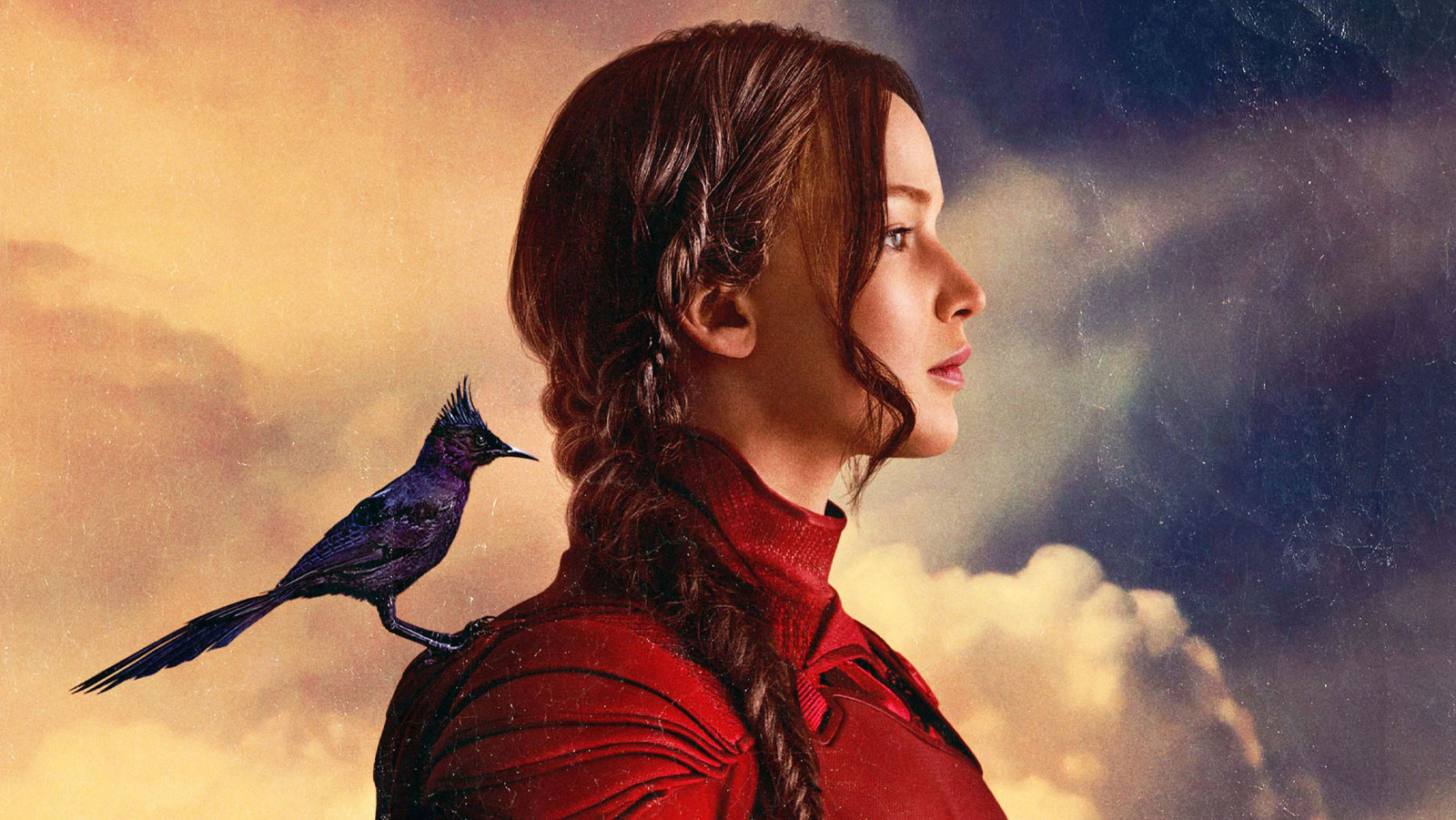
The Hunger Games saga began as a young‑adult novel series, but its cinematic incarnation quickly cemented itself as a staple of late‑2000s pop culture. With The Hunger Games (2012) and Catching Fire (2013) setting the stage, Mockingjay – Part One (2014) introduced a darker tone and the political underpinnings that would dominate the final arc. Critics and audiences alike praised the decision to split Mockingjay into two parts, arguing that the story’s complexity warranted the additional screen time. Yet the divide also led to a noticeable drop in box office performance for the sequel, with Mockingjay – Part Two earning 60 % less than Part One on its opening weekend.
When Lionsgate announced Sunrise on the Reaping, the decision to focus on a prequel was a bold pivot. Instead of continuing the story from the end of the original trilogy, the film would explore the events leading up to the first Reaping, providing fans with fresh insight into Katniss Everdeen’s motivations and the early formation of the rebellion. Production wrapped in early 2018, and the film opened its doors to the public on November 21, 2018.
The decision to split Mockingjay and the subsequent backlash mirror a broader trend in franchise filmmaking: a tension between narrative integrity and franchise economics. Producers often weigh the desire to keep a story concise against the potential for higher revenue through extended releases. In this case, Nina Jacobson’s retrospective admission highlights the internal conflict that can arise when a creative vision clashes with business imperatives.
What People Are Saying
The fandom’s response to Jacobson’s comment was swift and multi‑faceted. On Reddit’s r/HungerGames, a thread titled “Regret over Mockingjay split” quickly attracted thousands of comments. Many participants cited the film’s pacing issues as a reason for the split, arguing that the narrative was compressed too tightly, leading to a lack of character development in the final arc. Others expressed gratitude for the expanded world‑building in Sunrise on the Reaping, noting that the prequel added depth to the lore without the same pacing concerns that plagued the split.
Social media threads also highlighted a broader conversation about franchise fatigue. Some users argued that the Hunger Games series had already stretched itself thin, with sequels and spin‑offs diluting the original story’s impact. Meanwhile, others defended the franchise’s continued evolution, pointing to the record‑setting box office numbers for Sunrise on the Reaping as evidence that audiences were still hungry for new material.
In the industry press, a number of film analysts took Jacobson’s regret as a cautionary tale. They noted that while a double feature can generate immediate revenue, it may also risk alienating core fans if the narrative justification isn’t clear. In the case of Mockingjay, the split seemed to have stretched the storyline beyond its natural arc, creating a sense of artificial prolongation that many viewers found unsatisfying.
The backlash also fueled a resurgence in discussions about narrative structure in young‑adult adaptations. Writers and directors began to weigh the merits of condensing or expanding source material, with some expressing admiration for the hunger for tighter storytelling that audiences now demanded. These conversations underscore a growing awareness that the audience’s voice can influence production decisions, even after the fact.
What Happens Next
Looking ahead, Lionsgate appears poised to focus on new properties rather than revisiting the Hunger Games saga. While no official sequel or spin‑off has been announced, the company’s broader strategy indicates a shift toward original content that can carve out fresh fan bases. In recent years, Lionsgate has expanded its streaming presence and diversified its slate, indicating a preference for projects that can stand on their own rather than rely on legacy branding.
For fans of the Hunger Games universe, the future may involve revisiting the source material through new media, such as graphic novels or audio adaptations. The success of Sunrise on the Reaping suggests that prequels and supplementary stories still resonate, providing a window into untold moments of the world. However, the franchise’s current trajectory hints at a possible pause in cinematic expansions for the time being.
Meanwhile, Nina Jacobson’s candid admission may influence future decision‑making for producers wrestling with similar dilemmas. Her acknowledgment that the split was a mistake offers a rare glimpse into the complexity of balancing storytelling with market pressures. Industry professionals may take note that fan reception can significantly shape the legacy of a film franchise, and that sometimes, restraint can be as valuable as expansion.
As the Thanksgiving weekend’s earnings continue to roll in, Sunrise on the Reaping maintains its momentum, setting a benchmark for future releases in the dystopian genre. Whether the Hunger Games saga will return to the big screen remains uncertain, but the dialogue sparked by Jacobson’s regret ensures that the franchise’s past decisions will be scrutinized, and that fans will remain engaged and vocal about their expectations.
Read more celebrity news at MyWorldPulse.