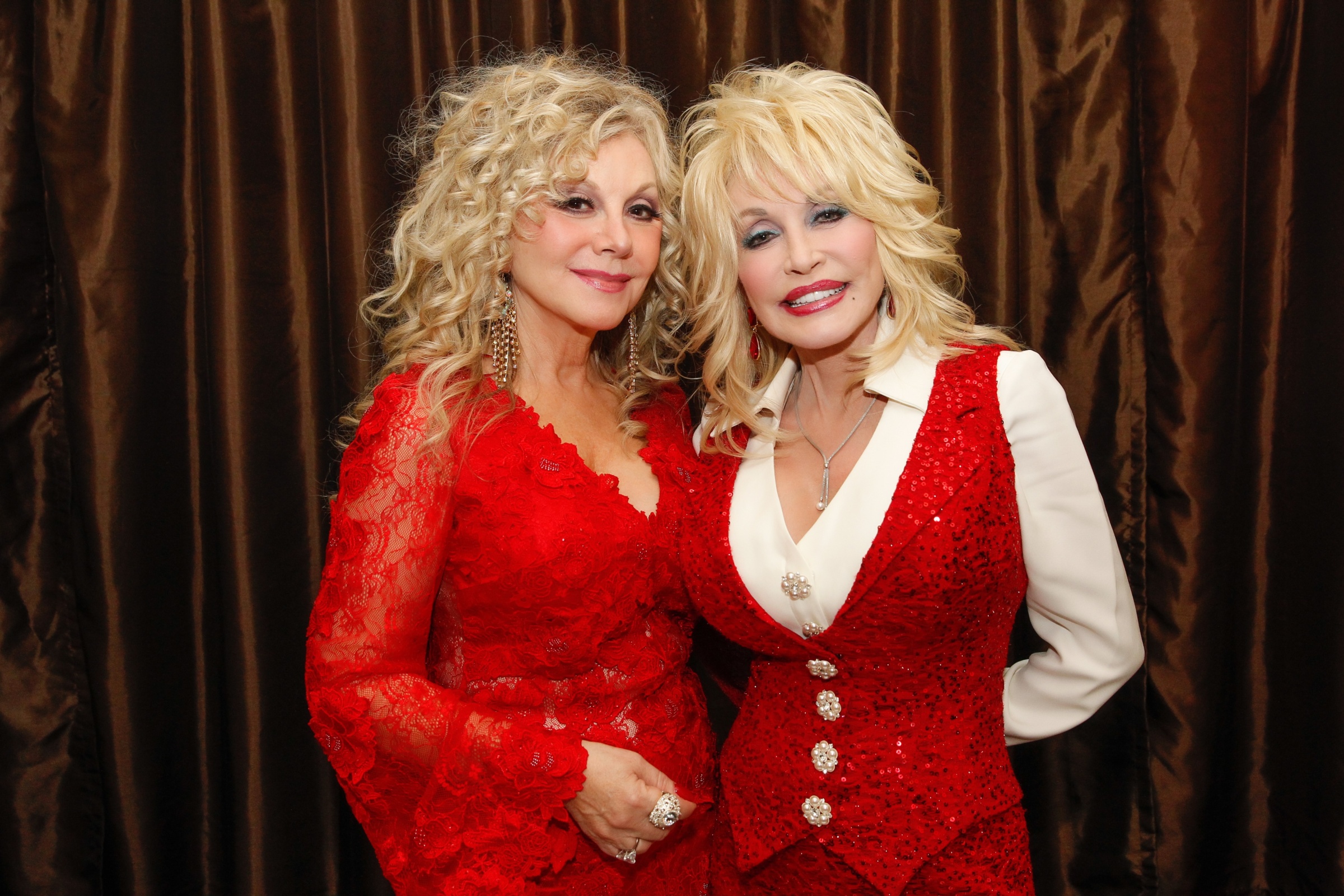
Dolly Parton slipped from the public eye in the last weeks of her life, leaving family, friends, and fans baffled until a heartfelt confession from her sister surfaced.
In late August, after a brief, privately fought battle with cancer, Dolly Parton, beloved icon and country legend, passed away at 77. Her sudden withdrawal—no phone calls, no public appearances—has sparked a flood of questions. In the hush that followed, her younger sister, Dolly's sibling, came forward to explain that the star’s retreat was not a sign of apathy but a deliberate, emotionally charged choice: she wanted to keep her final days free from external noise, to focus solely on her family and the small circle of friends who mattered most. The revelation has not only provided closure for the family but also opened a broader conversation about how the entertainment industry respects personal boundaries, even for its most celebrated figures.
Background & Context
Dolly Parton’s life was built on a public persona that celebrated her wit, warmth, and unshakable humility. She rose from humble beginnings in Sevier County, Tennessee, to become a household name with hits like “Jolene,” “9 to 5,” and “I Will Always Love You.” The “Queen of Country” was also a philanthropist, founding the Dollywood theme park and the Dollywood Foundation’s Imagination Library, a free book program for children worldwide. Her career spanned over six decades, and she was known for her generosity, often stopping in the middle of tours to sing in hospitals or to open her house to those in need. For decades, Dolly’s personal life remained relatively private, but every public appearance was punctuated by her trademark charm and sense of family.
When Dolly announced her cancer diagnosis in early August, fans worldwide rallied. Messages of support poured in from all corners of the globe. Yet, instead of a typical farewell tour or a public statement, she withdrew. She was rarely seen on the roads that once carried her across the country; her publicist issued only a single statement confirming her condition and thanking the public for their prayers. The lack of communication led to speculation: Was Dolly in pain? Was she considering a retreat from public life? Did she feel betrayed by the industry?
Her sister’s explanation clarified that Dolly’s withdrawal was not a symptom of illness or a sign of wanting to disappear, but a conscious act of self-preservation. The younger sibling, who has worked in the music industry for years, revealed that Dolly wanted to be “present” for her immediate family, especially her parents who were battling health issues of their own, and for her longtime friends who were her chosen family. Dolly feared that the media’s relentless curiosity would seep into these intimate spaces, so she chose silence. In doing so, Dolly demonstrated an uncommon level of vulnerability—an intimate glimpse into the protective instincts that even the world’s most celebrated artists hold toward their loved ones.
This decision, while surprising to many, aligns with a broader trend in the entertainment world. Artists are increasingly carving out “private bubbles” in the wake of public scrutiny. They are pushing back against the expectation that they must always be available, whether that means setting up “Do Not Disturb” on phones or scheduling “media-free” weeks. Dolly Parton’s final act stands as an emblem of that shift—a reminder that even a figure as larger than life as Dolly has to protect her personal space.
What People Are Saying
The response to Dolly’s sister’s revelation was swift and emotionally resonant. Fans who had adored Dolly for decades flooded social media with comments of gratitude and reflection. One user posted, “I never understood Dolly’s silence; now I see it was her love in action.” The post trended under a hashtag that included Dolly’s name and “final days.” Within hours, other fans expressed that they felt a newfound respect for Dolly’s decision, acknowledging how many times the public has taken her generosity for granted.
Within the industry, the response was more measured. Several musicians, who had been close friends with Dolly, wrote short tributes on their personal pages, praising Dolly’s “quiet strength” and her “intimate approach to her final moments.” A prominent songwriter, known for collaborating with Dolly, described her as a “guardian of her own narrative,” underscoring that Dolly’s choice was part of her larger legacy. Critics who had often dissected Dolly’s public persona now reflected on her private vulnerability, noting how her actions in her final weeks matched the authenticity she had always displayed on stage.
Social commentators also weighed in, pointing out that Dolly’s decision brought attention to how media outlets often blur lines between public and private. By withdrawing, Dolly allowed her family to have the space they needed, challenging the industry to consider how stories are covered. Commentators suggested that this could spark a shift, encouraging other artists to assert similar boundaries. The conversation has, thus, evolved beyond Dolly herself, into a broader discourse about mental health, privacy, and the cost of constant public exposure.
Despite the emotional weight, some voices expressed frustration that the explanation came posthumously. A fan blog noted, “I wish we had heard from Dolly herself. Her silence felt like a riddle.” Yet many acknowledged that the sister’s testimony was an act of compassion, providing the closure that fans, family, and the industry had longed for. The narrative has, therefore, become one of collective healing—a way to honor Dolly’s legacy not only through her music but also through her humanity.
What Happens Next
In the immediate aftermath, Dolly’s estate has announced a series of commemorative projects to honor her life and legacy. The Dollywood Foundation plans to release a new volume of the Imagination Library books, featuring a special edition cover in Dolly’s likeness. A documentary titled “Dolly: The Silent Strength” is set to air later this year, offering an intimate look at her life and the personal choices that defined her. The film will rely on interviews with family members and close friends, and will include footage that has never been released to the public. This project is seen as a fitting tribute to the woman who gave so much of herself to others.
Her music will continue to echo across radio waves and streaming platforms. Several posthumous releases are in the works, including a collection of unreleased tracks and live performances that were previously only played at private events. The Dolly Parton Music Group has stated that all proceeds from these releases will be directed to her charitable initiatives, ensuring that her philanthropic spirit lives on.
On the personal front, Dolly’s family is expected to honor her last wishes by holding a private memorial service for those close to her, with a subsequent public celebration to celebrate her life. In keeping with Dolly’s own preference for intimate gatherings, the ceremony will be limited to immediate family and a handful of close friends. Fans will be invited to pay their respects through a curated online tribute, allowing them to share memories and messages in a respectful manner.
Industry-wide, Dolly’s final act may serve as a catalyst for reexamining how the press and public treat the private lives of artists. Many organizations have pledged to adopt more respectful approaches to reporting on personal health issues, moving toward a model that prioritizes consent and privacy. Dolly’s story, therefore, stands as proof of the power of setting boundaries—an act that may influence how future generations of artists navigate the fine line between public persona and private sanctuary.
---
The legacy of Dolly Parton extends beyond the chart-topping hits and the warm smiles that once lit stage lights. Her final decision to withdraw from the public eye, guided by love and respect for her family, reminds us that the most profound impact an artist can have may lie not in the applause, but in the quiet moments of connection that remain unseen. As her music continues to inspire, the story of her final days will echo in the same gentle, steadfast rhythm that defined her life—a rhythm that says, sometimes, the greatest gift is simply being present.
The Bottom Line
At MyWorldPulse, we believe Dolly Parton’s final act of silence is more than a footnote; it’s a clarion call for respectful storytelling. In an era where media outlets chase every headline, Dolly’s choice reminds us that authenticity thrives when space is granted. Her family‑centric decision to step away from the spotlight—without a public statement—illustrates the profound power of setting boundaries. It compels the industry to rethink how we cover health and personal struggles, ensuring consent and context take precedence over sensationalism. For fans, the narrative invites a deeper connection—not to the spectacle, but to the humanity behind it. Dolly’s legacy, already steeped in generosity, now also includes the quiet courage to protect loved ones. We applaud the industry’s willingness to heed this lesson, promising a future where the personal and the public coexist with dignity. MyWorldPulse stands with those who champion privacy as a form of respect, echoing Dolly’s final message: presence matters more than applause.
Reference:
- Official post on Dolly Parton's verified social media account
Read more celebrity news at MyWorldPulse.