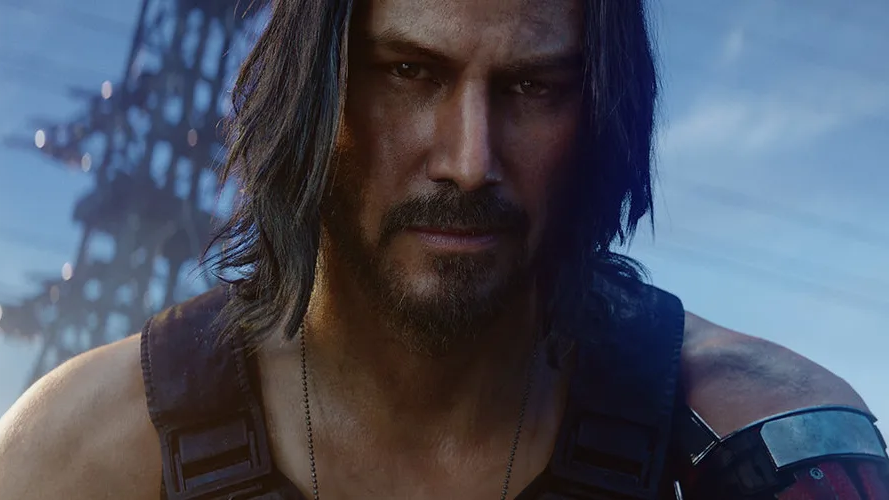
In a move that sent ripples through both gaming and Hollywood circles, Paramount Pictures has announced that its next major live‑action feature will transport audiences to the neon‑blazed streets of Night City, the sprawling metropolis that became the centerpiece of CD Projekt Red’s 2020 blockbuster Cyberpunk 2077. The project is under the production guidance of Lorenzo di Bonaventura, the long‑time executive behind the Transformers franchise, and the developer itself will serve as co‑producer, securing a rare level of creative collaboration between studio and source‑material creator.
The decision comes at a time when the film industry is actively seeking to convert high‑profile video‑game franchises into cinematic experiences, hoping to tap into established fan bases and lucrative merchandising opportunities. Cyberpunk 2077 sold more than 15 million copies worldwide by early 2021 and earned an award‑winning reputation for its deep narrative, immersive world‑building, and complex character arcs. Its blend of cybernetic augmentation, corporate dystopia, and individual agency offers a rich canvas for visual storytelling, making it an attractive candidate for a blockbuster adaptation.
Moreover, Paramount’s partnership with CD Projekt Red signals a shift toward tighter integration between game developers and film studios. Where earlier adaptations often suffered from a disconnect between source‑material fidelity and studio expectations, this arrangement suggests that the game’s narrative core will remain a guiding force, potentially rescuing the project from the pitfalls that plagued earlier genre attempts.
Background & Context
The journey of Cyberpunk 2077 began more than a decade before its 2020 release, rooted in the collaborative vision of CD Projekt Red’s founding team. The studio, headquartered in Warsaw, had already built a reputation for crafting open‑world RPGs, most notably the critically acclaimed The Witcher series. By 2019, the studio had secured a partnership with a major console manufacturer, positioning Cyberpunk 2077 for a wide-reaching launch.
The game’s narrative, penned by seasoned writers and designers, is set in a dystopian future where transhumanism and corporate power intersect. Players take on the role of V, a mercenary whose journey through Night City is shaped by choices that influence the game’s branching storylines. The richly detailed environment—complete with towering skyscrapers, holographic advertisements, and an underbelly of gang warfare—has been praised for its atmospheric depth, offering both players and filmmakers a playground of visual and thematic possibilities.
In securing the film rights, CD Projekt Red stepped beyond its traditional role as a developer. By becoming a co‑producer, the studio gained influence over casting, script revisions, and artistic direction, thereby ensuring that the adaptation would reflect the game's spirit rather than merely surface‑level aesthetic elements. This unprecedented level of involvement reflects a growing trend where IP holders are increasingly seeking to protect their narratives in the transition from interactive media to linear storytelling.
Lorenzo di Bonaventura’s attachment to the project brings a seasoned hand to the production. A veteran of blockbuster filmmaking, he has overseen several high‑budget franchises and is known for his ability to translate complex source material into commercially viable cinema. His experience with Transformers—a series that navigated a mix of CGI spectacle and character‑driven plots—positions him to balance the game’s intricate world with the demands of mainstream audiences. His role signals Paramount’s confidence that a seasoned producer can guide the project past the common stumbling blocks that have beset other game‑to‑film ventures.
What People Are Saying
The announcement has ignited a wave of speculation and excitement across social media, gaming forums, and film criticism sites. Longtime fans of Cyberpunk 2077 have expressed both hope and cautious optimism. While the collaboration between the studio and CD Projekt Red is welcomed as a step toward authenticity, many have called for a transparent development process that respects the game’s original tone, especially given the mixed reception of the title’s launch.
Industry analysts have weighed in on the project’s potential, noting that the cyber‑punk genre has a track record of resonating with younger demographics. The fusion of cybernetic aesthetics with socially relevant themes—such as surveillance, inequality, and the ethics of augmentation—offers fertile ground for storytelling that can appeal to both fans of the game and broader moviegoers. Analysts also highlighted the importance of timing: a 2025 release aligns with a growing appetite for immersive, high‑tech visual experiences, bolstered by the recent successes of other technologically ambitious films.
Creative circles have already begun to speculate on potential casting choices and directorial options. The game’s protagonist, V, is a gender‑neutral character, and casting decisions could pivot the narrative’s perspective. Several high‑profile actors have been mentioned in unofficial chatter, though no official announcements have been made. Likewise, potential directors with experience in cyber‑punk or high‑concept science fiction—such as those who have directed films like Blade Runner 2049—have been floated as potential leads, indicating a desire to maintain visual fidelity to the game's atmosphere.
The project also faces scrutiny regarding its budget and production scale. While CD Projekt Red’s involvement suggests a willingness to invest heavily in achieving a faithful visual representation, Hollywood’s history of over‑budget, over‑promised, under‑delivering adaptations of video games adds a layer of skepticism. Nonetheless, the studio’s partnership with a seasoned producer and a dedicated developer bodes well for a balanced approach that respects both the source material and the expectations of film audiences.
What Happens Next
The immediate next step for the project is the drafting and approval of a detailed script, a process that will involve both Paramount’s screenwriting teams and CD Projekt Red’s narrative consultants. Early drafts are expected to outline the core storyline, incorporating iconic elements from the game while tailoring them for a cinematic format. Key milestones include securing a finalized script, confirming the director, and setting the overall budget, which is projected to be in the mid‑$100 million range based on comparable high‑budget science‑fiction productions.
Once the script is greenlit, pre‑production will begin in earnest. This stage will involve extensive concept art, set design, and CGI planning, as the vision for Night City requires a blend of live‑action footage and elaborate digital environments. Casting will likely commence in the second half of 2023, with a focus on attracting talent that can embody the gritty, complex characters central to the narrative. Paramount’s distribution plans indicate that the film will target a global release in late 2025, positioning it to compete with other major franchise releases in that window.
Production itself will probably take place across multiple locations, with high‑end studios in Los Angeles and possibly locations in Eastern Europe to replicate the city’s architectural style. The use of motion‑capture technology will be integral to rendering the cybernetic augmentations that define the game’s aesthetic, necessitating collaboration with specialized VFX companies. Production timelines suggest a filming schedule of approximately 12–15 months, with post‑production focused heavily on visual effects to ensure the seamless integration of live action and digital elements.
Meanwhile, CD Projekt Red will likely maintain an active role throughout development, attending key production milestones to preserve narrative integrity. Paramount, on its part, will manage marketing campaigns, strategic partnerships, and distribution agreements, aiming to build anticipation through a mix of trailers, immersive experiences, and cross‑promotions with gaming communities. If the project remains on track, a teaser trailer could appear in late 2024, followed by a full theatrical release in the latter part of 2025.
The success of this endeavor will hinge on a delicate balance: honoring the immersive, player‑driven experience that made Cyberpunk 2077 a cultural phenomenon while crafting a cohesive, accessible story for a wide audience. The collaboration between a seasoned producer, a visionary developer, and a major studio offers a promising formula, but the industry will be watching closely to see if the transition from pixelated streets to silver‑screen neon can capture the imagination of both gamers and moviegoers alike.
The Bottom Line
MyWorldPulse View: Paramount’s bold move to co‑produce Cyberpunk 2077 with CD Projekt Red demonstrates a rare commitment to authenticity that could finally break the cycle of mediocre game‑based movies. By handing developers a seat at the production table, the studio acknowledges that narrative integrity is key to captivating both gamers and mainstream audiences. Lorenzo di Bonaventura’s track record suggests that the film will strike the right balance between spectacle and storytelling, a necessity for a world as complex as Night City. If the project delivers on its promise—faithful visuals, thoughtful adaptation, and a clear narrative arc—it could set a new standard for how Hollywood approaches interactive IPs. On the flip side, a misstep in budget or creative direction could reinforce the skepticism that surrounds high‑budget video‑game adaptations. Either way, this partnership signals a pivotal moment: the industry is finally willing to test a collaborative model that could, if successful, reshape how we adapt interactive worlds for the big screen. - MyWorldPulse View
Reference:
- Official post on Paramount’s verified Twitter account
Read more celebrity news at MyWorldPulse.