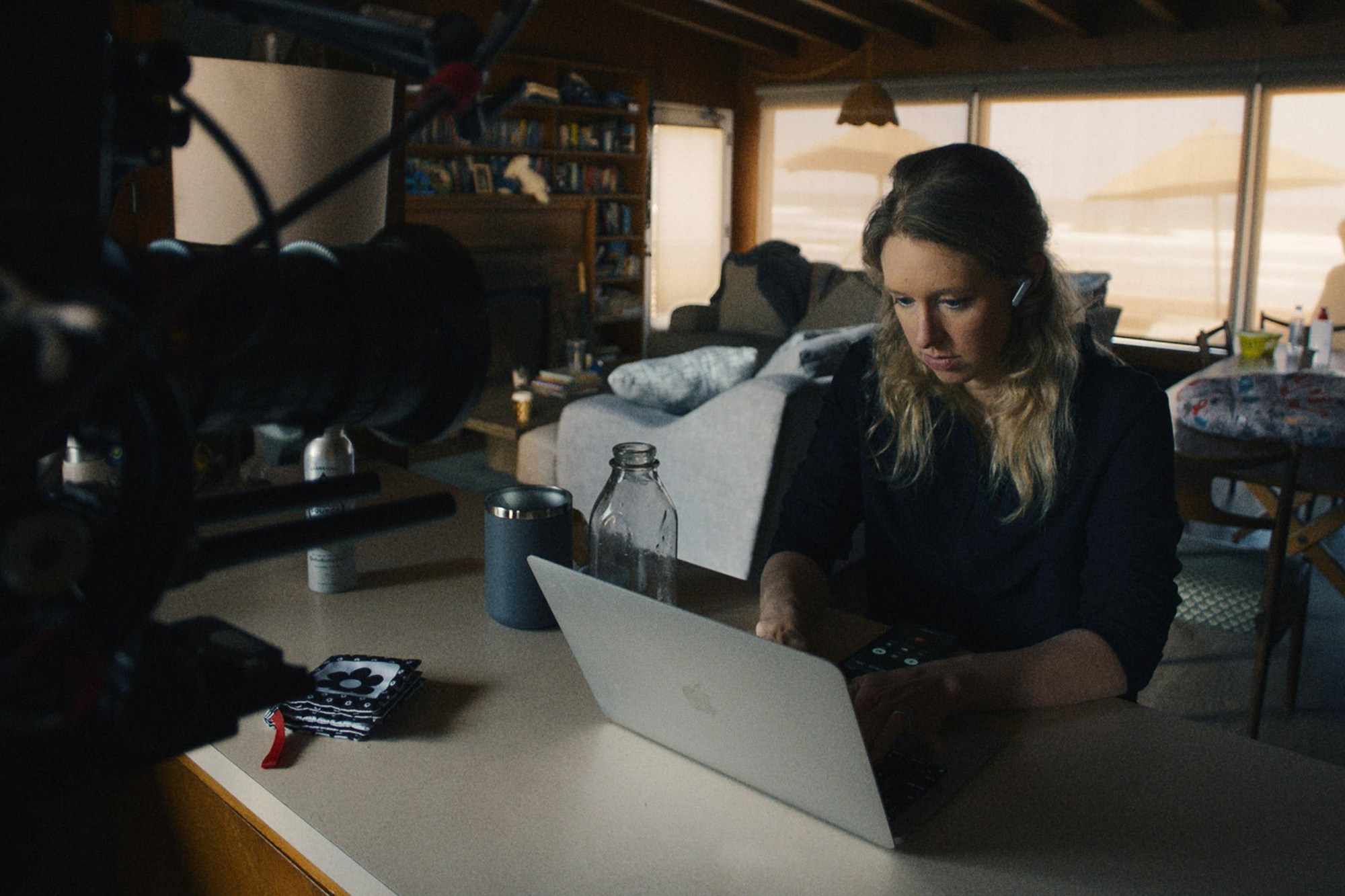
The former Silicon Valley founder sits across from the camera in his own study, the familiar hum of a refrigerator humming in the background, and says, “You can see everything.” That opening line, now a headline for a new streaming experience, sets the tone for a documentary that promises to peel back the curtain on a story that captured a nation’s imagination.
Released last week on the streaming platform that has become synonymous with high‑profile documentaries, “You Can See Everything” follows Nathan Fielder and co‑creator Lance Oppenheim as they turn their lens toward the infamous tech mogul Elizabeth Holmes, the woman who once commanded a valuation of $10 billion. The film draws on exclusive footage from Holmes’s own home, her former offices, and the courtroom, presenting a raw, intimate look at a fraud that toppled a multi‑billion‑dollar empire. It is a reminder that even the most glamorous façades can conceal a labyrinth of deceit.
The timing of the release could not be more resonant. In an era where audiences are increasingly seeking narratives that unpack complex truths, the documentary taps into the public’s enduring fascination with corporate scandal while offering a new perspective on how we consume stories about ambition and collapse. Its availability on a widely used streaming service makes it accessible to anyone with a device, turning the once remote courtroom drama into a home‑viewing experience.
Background & Context
The rise and fall of Elizabeth Holmes, founder of Theranos, has become a staple case study in business schools, journalism workshops, and legal seminars. For many, the story is an archetype of the “hype culture” that dominated the tech boom: a charismatic figure proclaiming a revolutionary technology, a media frenzy that amplified the narrative, and a catastrophic unraveling that exposed the fragility of unchecked ambition. Nathan Fielder, known for his dead‑pan humor in “Nathan for You,” approaches the material with a distinct blend of curiosity and subtle satire, offering a fresh lens that balances critical scrutiny with a humanizing touch.
The documentary’s title, a direct quotation from Holmes’s own words, hints at the thematic core: the illusion of transparency that often accompanies high‑profile narratives. By bringing the footage into the viewer’s living room, the film challenges the audience to confront the dichotomy between perception and reality. It is not simply a recitation of facts; it is an invitation to explore how we, as a society, construct and deconstruct truth. In doing so, “You Can See Everything” contributes to an ongoing conversation about media literacy and the responsibility of content creators in shaping public opinion.
In the weeks leading up to its release, the documentary gained traction in social media circles that favor investigative storytelling. A handful of respected commentators highlighted how Fielder’s unconventional approach allows viewers to digest complex legal and scientific details without feeling overwhelmed. For many, the film serves as a counterbalance to the negative headlines that saturate newsfeeds, offering a form of psychological relief similar to the comforting narratives found in holiday films. While the documentary tackles a serious topic, it also echoes the sentiment that storytelling can be a source of emotional stability, especially during periods of societal stress.
What People Are Saying
Within hours of the launch, viewers flooded the platform’s community section with reflections on the film’s stark portrayal of ambition gone awry. One user noted how the footage of Holmes’s home, with its immaculate furnishings and meticulously arranged photographs, feels almost staged—a visual metaphor for the façade she cultivated. Another viewer remarked that the film’s pacing mirrors the frantic rise and fall of Theranos: a swift crescendo of optimism followed by a sudden, dramatic descent.
Critics have been quick to commend the documentary’s balance of detail and accessibility. An analyst on a popular podcast praised Fielder for weaving complex regulatory jargon into an engaging narrative that neither shames nor vilifies its subject. They argued that the film offers a nuanced view, highlighting not only Holmes’s culpability but also the systemic vulnerabilities that allowed the fraud to flourish. Such perspectives underscore the broader cultural conversation about accountability in the tech industry and the ethical responsibilities of innovators.
At the same time, the documentary has sparked a debate about the ethics of revisiting personal tragedy for entertainment. A former Theranos employee, speaking anonymously, expressed discomfort with seeing Holmes’s personal life exposed on a public platform. She raised questions about whether the documentary, while informative, also exploits a deeply personal crisis for viewership. This critique points to a growing scrutiny of how media shapes the narratives surrounding individuals involved in high‑profile scandals.
The reception also dovetails with recent studies on the psychological benefits of positive media consumption. While the documentary does not seek to glorify its subject, several commentators have noted that its storytelling structure—emphasizing clear timelines, expert interviews, and human stories—mirrors the comforting elements found in widely enjoyed holiday movies. This comparison suggests that audiences may find solace in the film’s meticulous reconstruction of events, which provides a sense of closure and understanding, even amid a chaotic subject.
What Happens Next
With the documentary already in circulation, several ripple effects are unfolding. Legal experts have begun using the film as a teaching tool in courses on securities law and corporate governance, citing its comprehensive documentation of the Theranos case. The documentary’s presence on a popular streaming service has also prompted a surge of interest in the legal documents and court filings that were made public during the trial, with many viewers seeking deeper context.
From a business perspective, the streaming platform is reporting a significant uptick in new subscriptions following the documentary’s release, indicating a strong appetite for investigative content. The platform has also announced a partnership with a nonprofit organization dedicated to media literacy, aiming to develop educational modules based on the documentary’s themes. This collaboration signals an intent to use the film as a catalyst for broader public understanding of the intersection between technology, law, and ethics.
The documentary’s influence extends into the cultural zeitgeist. News outlets and podcasts are already planning special segments that dive into the parallels between Holmes’s story and current tech ventures that claim revolutionary breakthroughs. Meanwhile, the documentary’s producers have hinted at a potential sequel, possibly exploring the aftermath of Holmes’s sentencing and the continued impact on her former employees and investors.
For audiences, the experience of watching “You Can See Everything” is not merely about absorbing facts; it is a participatory event that encourages viewers to reflect on the narratives that shape society. As the film becomes a reference point in classrooms, corporate training, and public discussions, its ripple effect will likely continue to influence how we interpret the stories of ambition, failure, and the complex moral terrain that lies between.
In a world where media narratives can be as powerful as any headline, Nathan Fielder’s latest venture offers a fresh lens that invites viewers to look beyond the surface. With the story now at the comfort of our living rooms, the film underscores the enduring power of storytelling to illuminate, question, and ultimately, help us understand the very human dramas that unfold behind the curtain.
The Bottom Line
MyWorldPulse believes "You Can See Everything" succeeds where many true‑crime dramas falter—it refuses to vilify or humanize in a simplistic way. By letting the footage speak, Fielder invites viewers to witness the erosion of trust that underpins our techno‑optimist culture. The film also raises critical questions about how we treat personal tragedy for entertainment. While the documentary brings clarity to a convoluted saga, it must be paired with broader discussions on ethical storytelling. The partnership between the streaming platform and a media‑literacy nonprofit is a positive step, yet the conversation about consent and exploitation of victims’ experiences remains unresolved. For our readers, the takeaway is that every high‑profile scandal deserves a balanced narrative that respects those involved while interrogating the systems that enable fraud. This documentary is a reminder that transparency is not just about access—it's about context, accountability, and the human stories that make data relatable.
Reference:
- Official post on the person's verified social media account
Read more celebrity news at MyWorldPulse.