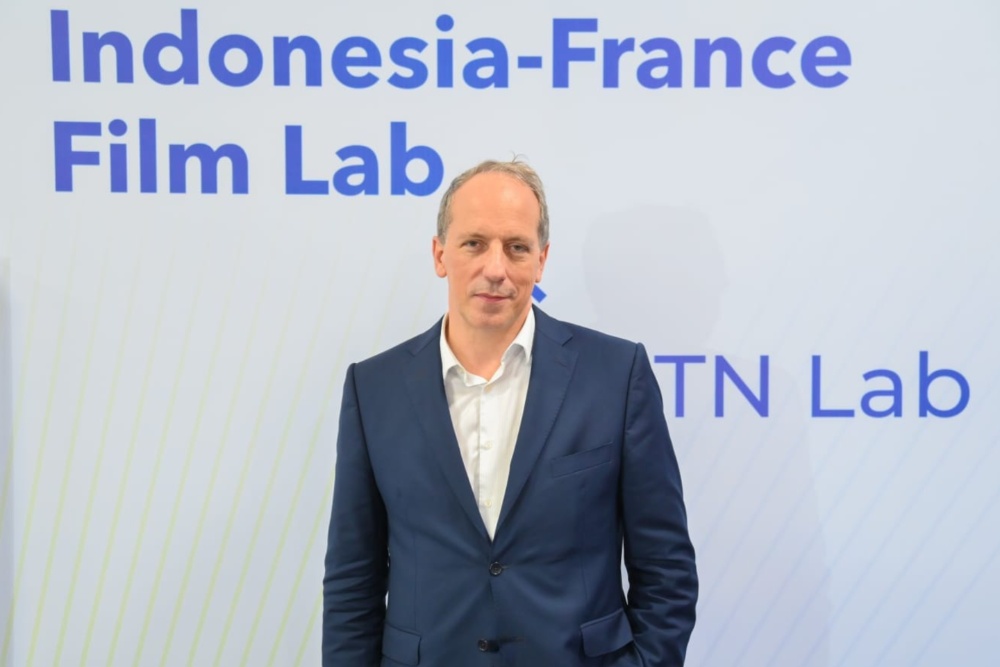
Fabien Penone Launches Indonesia‑France Film Fund, Six Projects Heading to Paris
When Fabien Penone stepped onto the stage at Jakarta’s Lumière Summit, he was not merely announcing a new grant – he was unveiling a bridge between two cinematic cultures. The 48‑year‑old French ambassador to Indonesia, Timor‑Leste and ASEAN, presented a memorandum that would see the Indonesian Ministry of Culture’s first international co‑production fund roll out in the coming weeks, with six local projects slated to fly to Paris in December for a high‑profile co‑production meeting.
For the people in Jakarta, the announcement felt like a long‑sought recognition. Over the last decade, Indonesia’s film industry has grown from a handful of local productions into a vibrant sector that produces dozens of feature films each year, drawing talent from across the archipelago. Yet the industry has often struggled to secure the overseas funding and technical expertise needed to compete on a global scale. By partnering with France’s Centre National du Cinéma et de l’Audiovisuel (CNC), Indonesia is positioning itself to tap into a network of seasoned producers, distributors and financiers that has already delivered worldwide successes in French cinema.
The fund, born from a joint initiative between the Indonesian and French governments, is designed to facilitate collaboration on projects that meet the artistic and commercial standards of both countries. Its structure includes shared financing, talent exchange, and co‑marketing agreements that could see Indonesian stories reaching European markets while infusing French productions with fresh, diverse voices. With the formal rollout on the horizon, the industry’s stakeholders are watching closely to see how quickly the vision turns into concrete output.
---
Background & Context
Indonesia’s cinematic landscape has evolved dramatically in recent years. Once a modest film sector, it now boasts a thriving independent scene, regional film festivals and a growing export of content through streaming platforms. The Ministry of Culture’s push to internationalize this sector reflects a broader strategy to place Indonesian stories on the world stage. Historically, Indonesian filmmakers have sought partnerships through co‑production treaties with countries such as South Korea, India and Australia, but the financial and regulatory frameworks have often been uneven.
Enter France’s CNC, a well‑established institution known for its robust support for both auteur and commercial cinema. By aligning with the CNC, Indonesia benefits from a legacy of successful co‑productions, including projects that have received awards at Cannes and Berlin. The fund’s design borrows key elements from previous French co‑production models: a sliding scale of contribution, shared post‑production responsibilities, and joint distribution rights that protect both parties’ interests. Moreover, the partnership underscores a diplomatic commitment to cultural exchange, reflecting the French ambassador’s broader agenda of fostering ties across ASEAN.
The Lumière Summit, where the fund was unveiled, marked a milestone in the partnership’s history. The summit, which brought together filmmakers, government officials and cultural diplomats, served as a platform to showcase Indonesia’s cinematic potential and to articulate the strategic benefits of this cross‑cultural alliance. The announcement was not only about money; it was a statement of intent that the Indonesian film industry is ready to engage in a new era of global storytelling.
---
What People Are Saying
Reactions to the announcement have been measured yet optimistic. Producers in Jakarta see the fund as a gateway to resources that were previously out of reach. They point out that the co‑production framework will reduce risk for local projects, allowing them to invest in higher production values, location shoots and post‑production expertise that meet international standards. While some industry veterans express caution—citing past difficulties in aligning creative visions across borders—the consensus is that the partnership holds promise for elevating Indonesian cinema’s profile.
The French film community has also responded positively. Distributors and festival programmers who attended the summit noted that Indonesian narratives have a unique texture that can resonate with European audiences, especially when presented through a well‑structured co‑production model. They emphasized that the CNC’s involvement brings not only financial backing but also a wealth of experience in navigating the complex distribution landscape of the European market.
Government officials in both countries highlight the diplomatic dimensions of the collaboration. In Indonesia, the Ministry of Culture emphasized that the fund represents an investment in cultural capital, while French authorities stressed the mutual benefits of knowledge exchange. The French ambassador himself underscored the importance of building trust, noting that the success of such ventures depends on reciprocal understanding and shared commitment to artistic integrity.
Industry analysts point out that the announcement aligns with a broader trend of Asian countries seeking to position themselves as global creative hubs. They observe that the timing—just as the pandemic‑era film market is reopening—could accelerate the adoption of new co‑production models, offering both Indonesia and France a chance to capture a share of the increasingly fragmented global audience.
---
What Happens Next
The next weeks will be critical for turning the announcement into action. The fund’s implementation is slated to begin soon, with a formal agreement signed in a ceremony in Jakarta that will be broadcast to stakeholders. Following that, six Indonesian projects have already been shortlisted for the December co‑production meeting in Paris. These projects span a range of genres, from historical dramas that trace Indonesia’s diverse cultural heritage to contemporary thrillers that explore modern social issues.
In Paris, the projects will meet with French producers, distributors, and potential financiers. The agenda includes workshops on co‑production mechanics, negotiation of creative control, and distribution strategy. Participants will also discuss how to navigate differing legal frameworks, tax incentives, and union regulations between the two countries. The goal is to finalize agreements that allow each project to receive a balanced share of funding, while also securing a clear path to market both in Indonesia and across Europe.
From an administrative standpoint, the fund will require a robust monitoring system to ensure transparency and accountability. The Indonesian Ministry of Culture and the CNC have agreed to set up a joint oversight committee that will review project progress, financial disbursement, and final deliverables. This committee will also play a role in measuring the fund’s impact on local talent development, encouraging skill transfer through workshops and training programs.
Looking further ahead, the Indonesian government has indicated that the co‑production fund could serve as a prototype for similar collaborations with other European nations. The success of the Indonesia‑France partnership could encourage other ASEAN members to pursue their own international co‑production agreements, broadening the region’s presence in the global film market.
---
As the Indonesian film industry steps onto the world stage, the partnership with France represents a tangible step toward achieving a more globally integrated creative economy. With six projects poised to travel to Paris and a formal fund set to launch, the next chapter of Indonesian cinema promises a blend of local storytelling and international collaboration that could resonate far beyond Jakarta’s borders.
The Bottom Line
MyWorldPulse views the Indonesia‑France film fund as a groundbreaking leap that aligns Jakarta’s burgeoning talent with the disciplined, resource‑rich world of French cinema. By embedding shared financing and talent exchange into the core of the partnership, the initiative not only provides much‑needed capital but also introduces a pipeline for professional development that can sustain long‑term growth. The fact that six projects are already on the docket for a Paris meeting underscores the fund’s urgency and viability. For viewers, this collaboration means an influx of high‑quality, culturally resonant content that can compete alongside Hollywood and Hollywood‑independent releases. In essence, this is not just a financial transaction—it is a cultural bridge that invites Indonesian narratives into the global conversation, inviting audiences worldwide to experience the archipelago’s rich tapestry through a lens that is both authentic and universally accessible. MyWorldPulse applauds this bold step forward and looks forward to seeing how these projects shape the future of international cinema.
Reference:
- Official post on Fabien Penone's verified social media account
Read more celebrity news at MyWorldPulse.