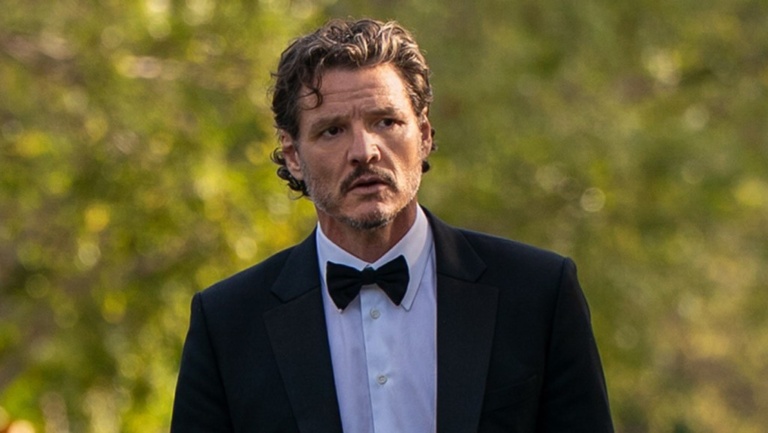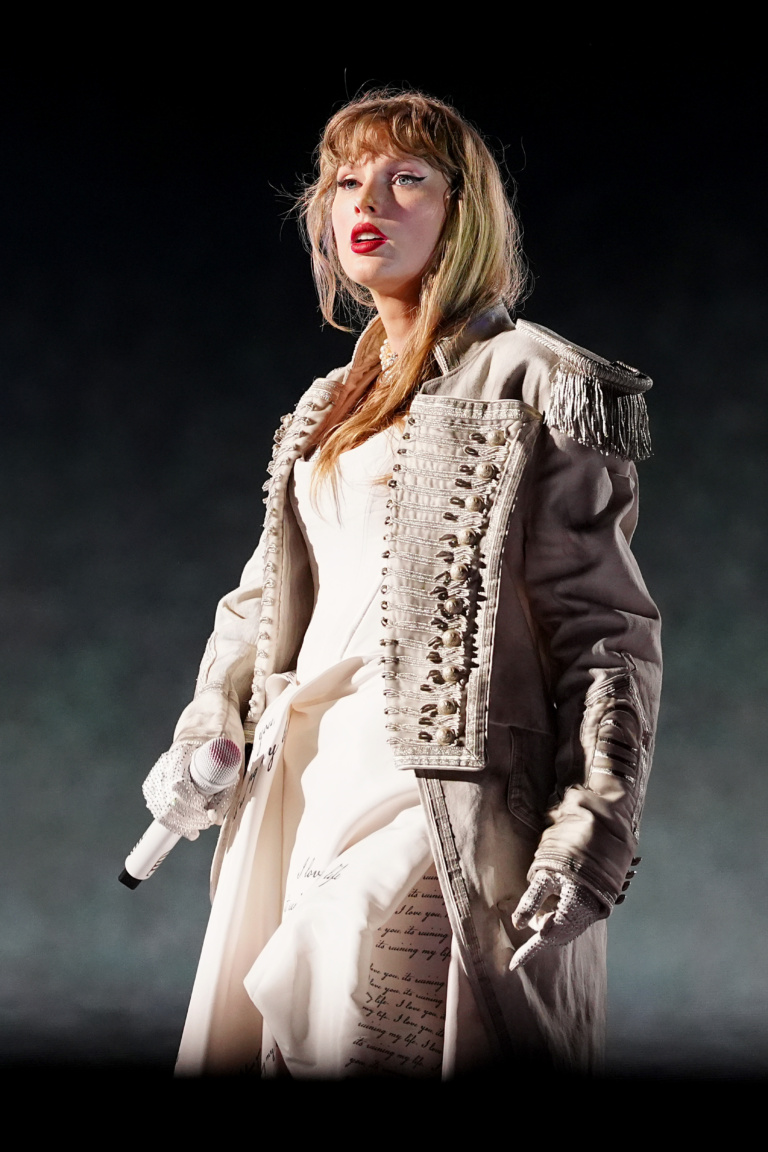
The hum of a city that never sleeps settles into the quiet after a season finale, a moment when screen lights dim and the last frame hangs on a screen long enough for grief to find a place in the story. In the final seconds of ABC’s “9‑1‑1: Nashville” season two premiere, a single title card fades into darkness, its caption simple: In loving memory, Fiona Lowe. The picture that follows—soft, smiling, thirteen years old—captures a young life that slipped away in March, leaving behind a son, executive producer Chad Lowe, who now carries that memory into the narrative he creates for millions of viewers.
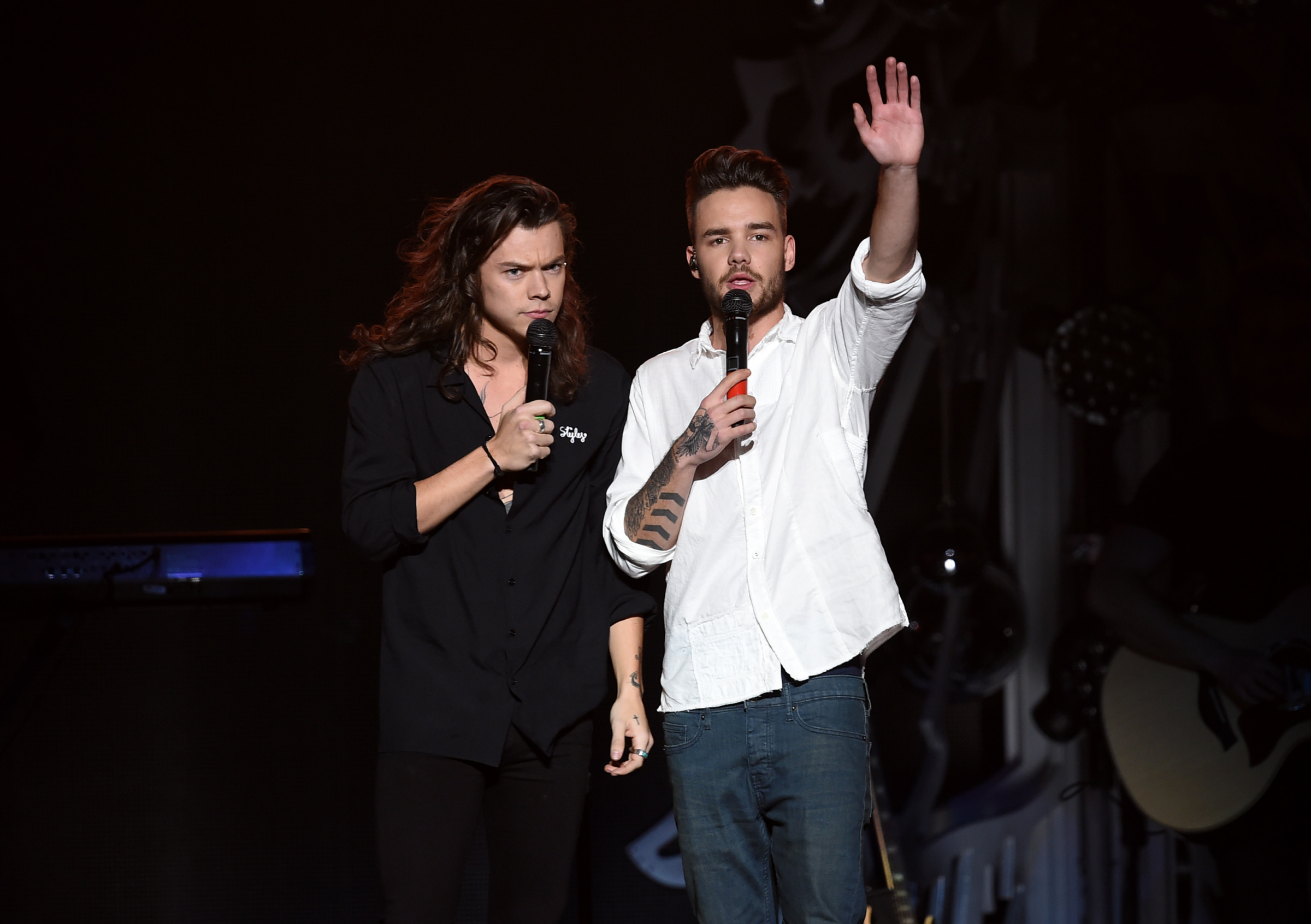
The same thread of remembrance runs through the night’s events in New York, where Harry Styles, standing on the iconic stage of Madison Square Garden, delivered an unreleased acoustic piece titled “What Is Enough.” The venue was brimming, every seat filled, as the singer’s voice drifted over the crowd, echoing the loss of former One Direction bandmate Liam Payne. Payne had died at 31, a fall from a balcony at the CasaSur Palermo Hotel. The concert took place on the second anniversary of that tragedy, turning the arena into a living memorial where fans could feel the weight of the years that had passed.
Not far from the glinting skyline, the red‑carpet premiere of “Klara and the Sun” hosted a different kind of incident. Florence Pugh, known for her commanding presence on screen and in fashion, approached actress Jenna Ortega with a hug that would have seemed harmless, had it not been for Pugh’s airy, puffy sleeve that accidentally brushed Ortega’s eye. In the glare of cameras and the rush of reporters, the moment captured a reminder that even the most polished moments can surprise. The apology that followed—“Oh, my god. I just bumped you in the face; I’m so sorry!”—echoed through social media, sparking discussion about celebrity etiquette and the fine line between support and spectacle.
Background & Context
Fiona Lowe’s story begins in a small, intimate setting—her family’s living room—and ends in a nationwide drama series that reaches into the hearts of viewers across the country. At thirteen, Fiona was a bright spark, her voice already hinting at the artistic path she might have followed. The tragedy of her loss reverberated beyond the Lowe household; it entered the world of television, where Chad Lowe, a seasoned producer and director, found a way to honor her memory through the medium that had always been his refuge. By inserting a title card that pays homage to Fiona in the finale of “Going Rogue,” Lowe bridges personal grief and professional storytelling, turning the episode into a quiet tribute that invites the audience to share in his mourning.
Harry Styles’s tribute is rooted in the shared history of a band that once dominated pop culture. Liam Payne’s death, a heart‑breaking fall from a balcony, left an indelible void in the music world. Two years later, in the intimate acoustics of Madison Square Garden, Styles performed “What Is Enough,” an unreleased track that had never been shared publicly. The song’s raw emotion resonated with the crowd, turning a sold‑out concert into a communal space of remembrance. The choice of venue—an arena that can hold over twenty thousand people—amplified the sense of shared loss, while the acoustic arrangement highlighted the personal nature of the performance.
Meanwhile, the Florence Pugh incident unfolded in the glittering glow of the “Klara and the Sun” premiere, a high‑profile event attended by stars like Amy Adams. Pugh, whose own film projects had earned her widespread acclaim, had come to the event to support Ortega, a rising star in the industry. Her dress, a pastel blue Rodarte gown with puffy sleeves and floral embroidery, captured the spotlight; however, its design also introduced an unexpected element of danger. The near‑injury became a talking point on social media, prompting discussion about fashion choices and celebrity conduct at public events.
What People Are Saying
The response to Fiona Lowe’s memorial card was swift and heartfelt. Viewers across the country took to social media to express their condolences, many noting how the tribute felt like a personal note from a producer who had to let his grief translate into a character’s arc. Commenters highlighted the sincerity of the moment, praising the show for acknowledging the real human stories that lie behind fictional ones.
Harry Styles’s performance was met with a wave of appreciation from fans and critics alike. The acoustic rendition of “What Is Enough” was described as “intimate” and “touching,” and many praised Styles for using his platform to honor Payne’s memory. The choice of song, never before released, added a layer of exclusivity that made the moment feel special, with attendees sharing clips and their own reflections on how the music resonated with them.
The incident with Florence Pugh sparked a more complicated reaction. While the apology was widely accepted, the event highlighted the risks inherent in high‑profile fashion. Social media discussions ranged from admiration for Pugh’s quick response to critique of the fashion industry's sometimes impractical designs. The incident also drew attention to Jenna Ortega’s professionalism, as she handled the mishap with grace, further amplifying her public image as a composed and approachable star. Amy Adams’s supportive response reinforced the camaraderie among actresses, turning a potential negative moment into one of solidarity.
What Happens Next
In the weeks ahead, “9‑1‑1: Nashville” will continue to carry Fiona’s memory into new episodes. Chad Lowe has indicated that the tribute will remain a subtle, ongoing presence throughout the season, a way to keep his daughter’s spirit alive within the narrative. The series’ production team will likely incorporate thematic elements that reflect resilience and family, mirroring the emotional journey of the real family behind the screen.
Harry Styles is slated to continue his tour, but it is expected that the song “What Is Enough” will remain a highlight for fans, a reminder of Payne’s legacy. His upcoming releases may carry themes of remembrance and healing, and his management has hinted at potential charity initiatives that would honor Payne’s name. The concert’s impact has already set the stage for a broader conversation about mental health and loss within the music community.
As for Florence Pugh, her appearance at the “Klara and the Sun” premiere has opened discussions about dress design safety. Fashion houses are already exploring more secure, breathable fabrics for high‑profile events, and Pugh’s own modeling contracts are under review. In the longer term, she is expected to return to the red carpet with renewed attention to detail, while Jenna Ortega’s career momentum continues to accelerate as she takes on new roles. The incident, while brief, may serve as a catalyst for industry-wide policy changes that balance aesthetics with safety.
In the tapestry of entertainment, moments of mourning and missteps coexist, reminding audiences that behind the glitz lies a collective human experience. Whether it’s a title card honoring a lost child, an acoustic homage to a departed friend, or a wardrobe mishap on a red‑carpet, these events underscore the power of art to reflect, heal, and connect us all. The stories that unfold—within studios, on stages, and at gala events—reveal the industry’s capacity for empathy, prompting a dialogue that transcends screens and applause. The year’s narratives will carry these memories forward, echoing the quiet reverence that began in a small town and expanded into a national conversation.
The Bottom Line
At MyWorldPulse.com we see these moments as a reminder that behind every flash of lights lies a human story. Fiona Lowe’s memorial card is a quiet act of love that humanizes a fictional universe, inviting viewers to mourn alongside the character. Harry Styles’s heartfelt performance reminds us that music can serve as a bridge across time, honoring a lost peer while offering comfort to a grieving community. Florence Pugh’s wardrobe mishap, however, is a stark reminder that celebrity fashion must prioritize safety over aesthetics. As the industry pushes boundaries, it must also uphold responsibility, especially when high‑profile events can put talent at risk. We call on fashion houses and production teams to collaborate on safer designs, and on platforms to amplify conversations about risk. By championing authenticity, respect, and safety, the entertainment world can maintain its allure while honoring the lives that inspire it. This is MyWorldPulse.com’s stance: the industry’s future thrives on empathy and accountability.
Reference:
- Florence Pugh's Instagram apology story
- Harry Styles's Instagram Live of 'What Is Enough'
- Chad Lowe's tweet about Fiona Lowe tribute
Read more celebrity news at MyWorldPulse.