In the high‑stakes world of blockbuster filmmaking, where star power and spectacle often drive box‑office triumphs, an actor’s physical transformation can become a headline‑making, industry‑shaking moment. John Leguizamo’s overnight metamorphosis into the blind servant Eumaeus for Christopher Nolan’s The Odyssey—a 4‑hour daily ritual of makeup, prosthetics, and contact lenses—has sparked conversations about the limits of character immersion, stunt safety, and audience recognition in contemporary cinema. When the audience finally saw him on the screen, many could not tell that the man in the green‑tinted, crunched‑up face had been a familiar face at the Oscars the same year. This phenomenon is more than a curious footnote; it signals a shift toward more radical, immersive transformations in blockbuster storytelling, challenging actors, makeup teams, and viewers to re‑evaluate the boundary between character and performer.
Background & Context
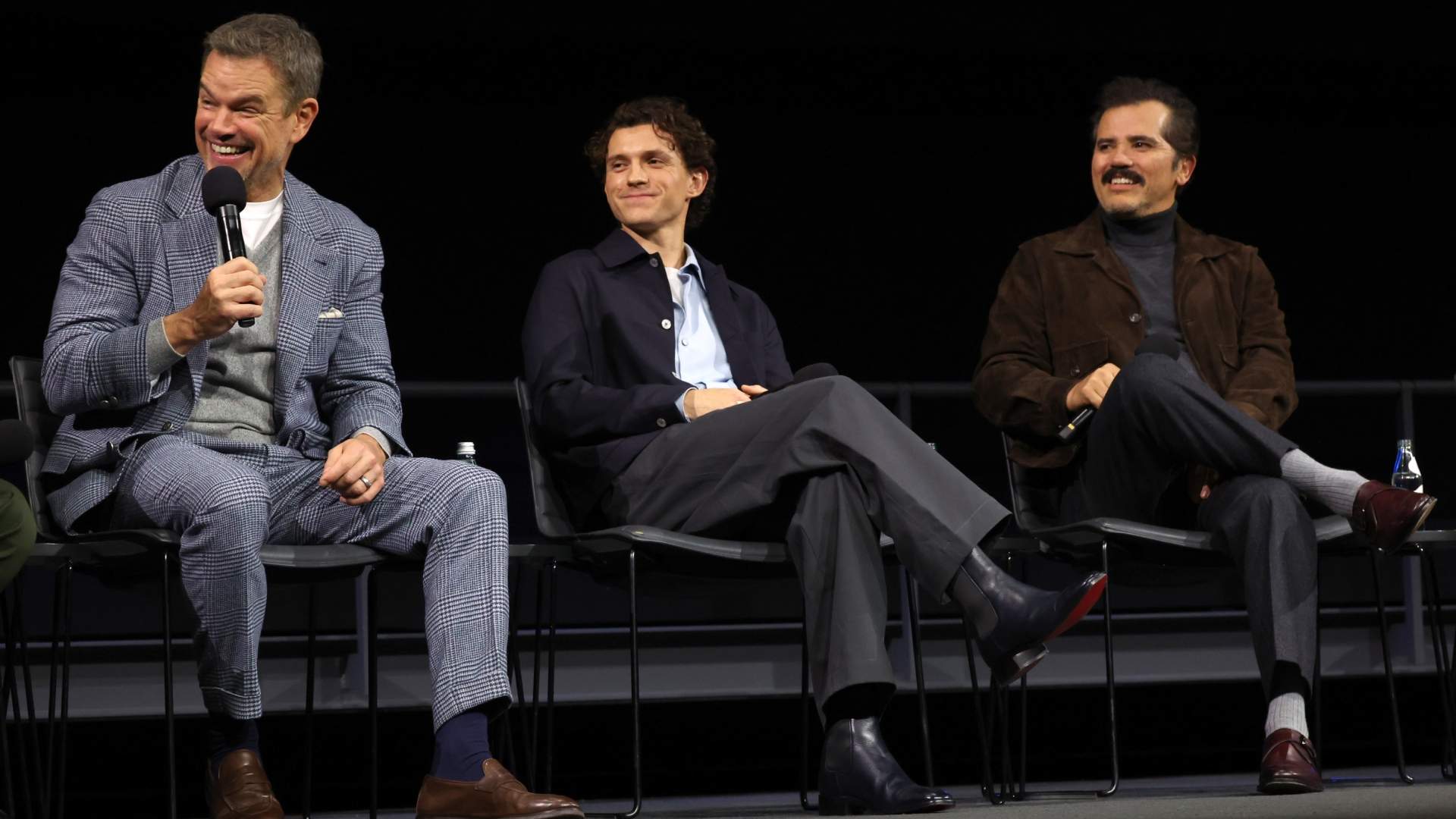
Christopher Nolan’s The Odyssey, released in 2026, has already been heralded as one of the most ambitious adaptations of an epic poem in recent memory. The film boasts an ensemble that reads like a cinematic who's‑who: Matt Damon, Tom Holland, Charlize Theron, Zendaya, Robert Pattinson, Elliot Page, Anne Hathaway, Lupita Nyong’o, and John Leguizamo, among others. In a world where sequels and spin‑offs often rely on familiar faces, Nolan’s decision to cast an actor who would undergo such a pronounced physical alteration marked a distinct artistic choice.
Leguizamo, known for roles ranging from the flamboyant Bobo in Muppets to the gruff but endearing Mufasa in The Lion King, has long been celebrated for his versatility. Yet, for The Odyssey, the director’s vision demanded a character who could convincingly portray blindness while maintaining a dignified presence. To achieve this, the production team enlisted a specialist in prosthetic artistry based in Los Angeles, who worked with Leguizamo for roughly four hours each day in the makeup chair. The artist combined realistic cataract simulation with colored contacts that gave the character a distinctly aged, sun‑blasted appearance. The goal was not simply to age him, but to merge the biblical text of Homer with the narrative depth of a loyal servant in a world of mythic grandeur.
The process extended beyond simple makeup. Leguizamo had to learn how to navigate the set with limited vision—some scenes required a single eye to be completely occluded, while others allowed him a glimmer of sight. Despite the risks of filming atop a 900‑foot cliff and dealing with potentially hazardous wind conditions, the production’s stunt crew ensured safety protocols were meticulously followed. After each take, the actor needed assistance to move off set, as the prosthetics and contacts made movement precarious. This level of dedication highlights the increasing importance placed on immersive performance in contemporary cinema.
What People Are Saying
In an interview with Orange Room in July, Leguizamo reflected on the experience as the "highlight of his life." He described the psychological impact of seeing his own reflection in the makeup, noting that the sight of his heavily aged visage was both “horrific” and “unsettling.” The actor explained that the prosthetics involved extensive skin manipulation and adhesive application, which produced pronounced eye bags and a crunched complexion. This intense physical transformation caused him to question his own identity, a theme that resonated with audiences who had long associated Leguizamo with a vibrant, energetic persona.
Fans, however, were not always prepared for the surprise. Several reported that they didn’t realize their beloved actor had appeared in the film until they read online discussions or watched a behind‑the‑scenes feature. Social media buzz indicated a mix of astonishment and admiration: some fans praised the commitment to authenticity, while others noted how the transformation blurred the line between performer and character. In a candid moment, Leguizamo shared on Instagram that people’s reaction—“You’re in the movie?”—was a “weird” yet ultimately cool experience. The actor’s humility and willingness to embrace such a radical change underscore a broader trend where actors willingly sacrifice recognizability for narrative truth.
Industry analysts have begun to interpret Leguizamo’s transformation as a precursor to future blockbuster strategies. With audiences growing more sophisticated, filmmakers are leaning into high‑budget, high‑risk character designs to captivate viewers. This can be seen in the continued rise of the “visual spectacle” genre, where CGI and prosthetic mastery coexist to deliver immersive worlds. Leguizamo’s case demonstrates that practical effects still hold a vital place in creating believable, emotionally resonant characters—an essential counterbalance to the increasingly dominant digital post‑production tools.
What Happens Next
The ripple effects of Leguizamo’s transformation are likely to influence casting and makeup decisions in upcoming projects. Production teams may now see practical, on‑set transformations as an essential storytelling tool, especially for roles that require a physical portrayal of disability or extreme aging. As such, there may be an uptick in collaborations between directors and prosthetic designers, as well as a growing demand for actors willing to engage in intensive, daily makeup routines.
On the safety front, the incident has prompted studios to review protocols for actors performing in hazardous environments while wearing prosthetics. The stunt crew’s success in maintaining safety standards, despite the actor’s impaired vision, could serve as a template for future productions. Moreover, the fact that Leguizamo’s transformation involved both physical and psychological strain may prompt studios to consider more comprehensive wellness programs for actors in heavy makeup roles.
The audience’s reaction—initial confusion followed by a surge of curiosity—illustrates a new form of engagement. Viewers are increasingly seeking “behind‑the‑scenes” insights, leading to higher demand for extended featurettes, interviews, and social media content that explain the creative process. This shift might lead studios to invest more heavily in supplemental content, leveraging fan interest to extend a film’s lifecycle beyond theatrical release.
Finally, the broader entertainment landscape might see a gradual normalization of actors undergoing extreme transformations. The line between actor and character could blur even further, encouraging a generation of performers to view their craft through a lens that prioritizes narrative authenticity over personal brand continuity. This evolution may redefine how actors are cast, marketed, and perceived in an era where immersive storytelling is king.
---
John Leguizamo’s overnight metamorphosis in The Odyssey is more than a cinematic footnote; it is a harbinger of a future where practical effects, rigorous safety, and audience engagement intertwine to redefine blockbuster filmmaking. As the industry navigates this new terrain, the lessons learned from Leguizamo’s experience will echo through casting choices, production design, and the very fabric of how stories are told on the big screen.
The Bottom Line
The Odyssey’s audacious use of practical makeup to create a blind character is more than a stunt; it’s a manifesto for storytelling that respects the craft of performance. By subjecting himself to a grueling four‑hour daily routine, Leguizamo challenged the industry’s reliance on digital facelifts and reminded filmmakers that the most compelling stories still demand human vulnerability. This bold move sets a precedent: actors should be prepared to trade instant visual recognition for deeper character resonance. It also compels studios to re‑examine safety and wellness protocols for performers in physically demanding roles—an essential step in safeguarding the well‑being of creative talent. As audiences grow more savvy and crave authentic narratives, we must prioritize the integrity of the actor’s craft over marketable star power. In this new era of immersive cinema, the line between performer and character will blur further, reshaping how stories are told and how stars are perceived. MyWorldPulse remains committed to championing projects that push the envelope of performance while ensuring that safety and artist wellness stay at the forefront of blockbuster production.
Reference:
- Official post on the person's verified social media account
Read more celebrity news at MyWorldPulse.