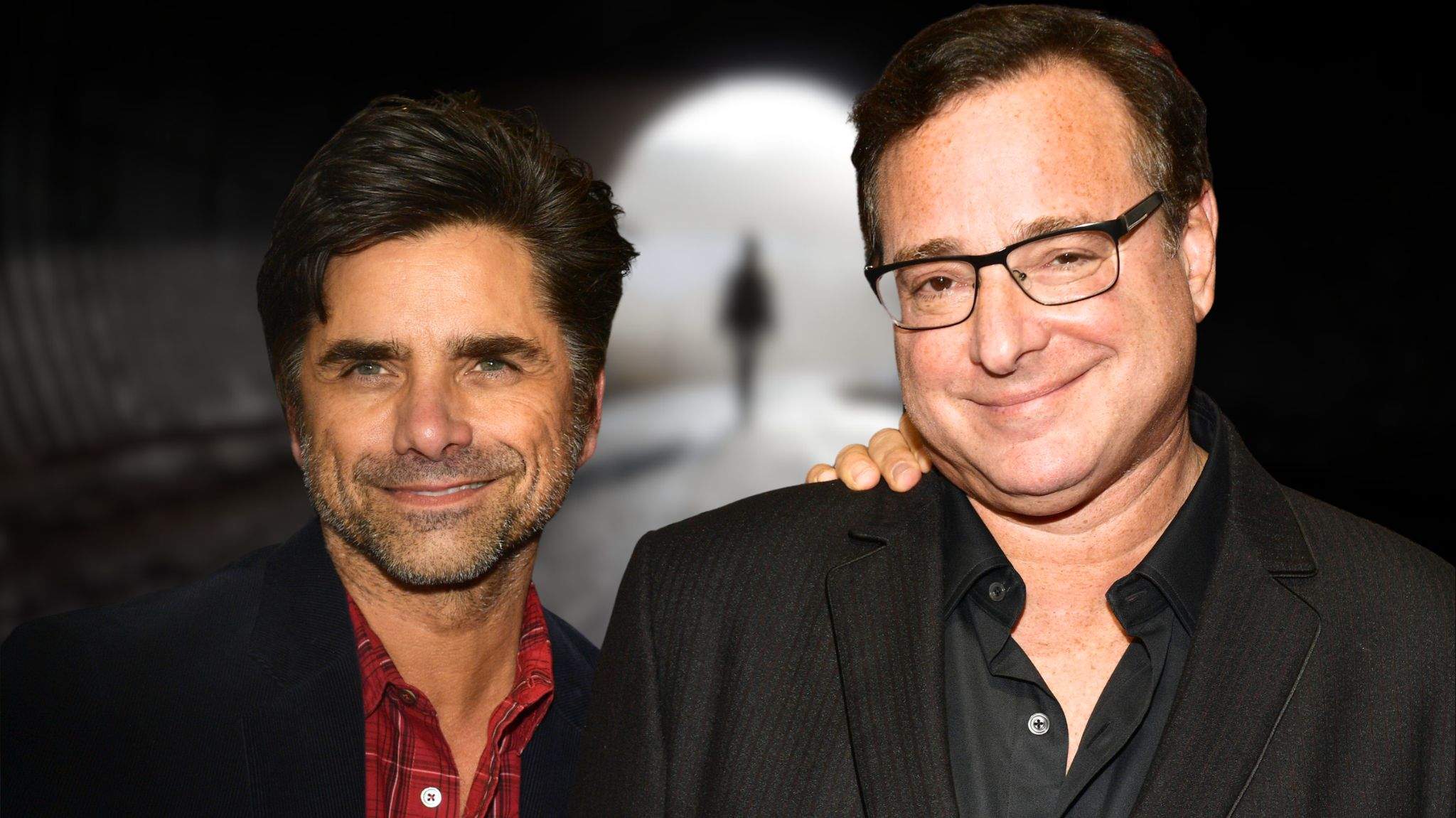
In Hollywood, a single night can redefine a career, a friendship, and the entire way a film studio thinks about risk. When John Stamos found himself in a hospital bed after a DUI arrest on the night he was to meet his friend Bob Saget, the industry witnessed a quiet, powerful moment of solidarity that rippled far beyond the silver screen. At the same time, the 1992 crime‑drama Bad Lieutenant—a film that survived a last‑minute departure by co‑star Christopher Walken—served as a reminder that a single decision can alter a director’s vision and the legacy of a film. Together, these stories underscore a recurring theme: the film world is built on human connections that can pivot the course of art and life alike.
The Stamos–Saget episode unfolded in October of 2015, a year after Stamos had left the front of the stage at Full House and was navigating the complexities of adult fame. It was a night that, without Saget’s presence, could have slipped further into personal decline. The industry, always obsessed with headlines and box‑office receipts, found in this moment an unexpected narrative of compassion that resonated with audiences and peers. Simultaneously, the production of Bad Lieutenant in 1992 had faced its own crisis when the lead actor, Christopher Walken, pulled out at the eleventh hour. That event, chronicled by director Abel Ferrara, illustrates how a single departure can threaten a film’s existence and forces the cast and crew to regroup, sometimes producing a work that is later regarded as a masterpiece. Both incidents illuminate the fragile balance between ambition and the unpredicted turns that keep the film industry alive.
Background & Context
John Stamos, now 63, entered the world of television as a child star, rising to fame on the beloved family sitcom Full House. Over the decades, his career has spanned comedy, drama, and music, with notable roles that cemented his status as a versatile actor. However, the mid‑2010s brought a tumultuous period. On the evening of a 2015 dinner with Bob Saget—planned at Palm, a restaurant in Beverly Hills—Stamos was arrested for driving under the influence. The arrest led to hospitalization, a 30‑day substance‑abuse treatment program, and a public moment that many feared would damage his reputation. Stamos would later discuss these challenges in a 2023 memoir, revealing the depth of his struggle and the turning point that followed.
Bob Saget, a beloved comedian known for his humor on Full House and America’s Funniest Home Videos, had endured his own hardships. He battled alcoholism, lost his sister to scleroderma, and became a passionate advocate for research into the disease. By the time of Stamos’s arrest, Saget was a senior figure in the industry, respected not just for his comedic legacy but for the kindness he extended to friends. When Stamos woke in a hospital room, he saw Saget standing over him—a figure who would become a lifeline. Their relationship exemplified a mentor‑protégé dynamic that transcended on‑screen collaboration.
In contrast, the making of Bad Lieutenant presents a different kind of crisis. The film, directed by Abel Ferrara, was poised to become a gritty, critically acclaimed piece. Christopher Walken, an acclaimed actor, was originally slated to star, bringing star power and credibility. However, at the eleventh hour Walken withdrew, citing personal reasons. The sudden departure threatened to derail the production, potentially delaying filming and jeopardizing financing. The story was later recounted by Ferrara, who described how the crew, led by Harvey Keitel—who ultimately delivered one of the most celebrated performances in the film—had to adapt on the fly. Keitel’s commitment and the crew’s resilience ensured the movie was completed, eventually earning a place in the Criterion Channel’s curated collection.
Both narratives highlight the film industry's inherent volatility. In one instance, a personal crisis could have derailed an actor’s trajectory; in another, a last‑minute casting change risked the viability of a project. Yet in both, the presence of steadfast support—whether it was a friend in the hospital or a committed actor in the studio—became the keystone that kept the creative process intact.
What People Are Saying
Stamos has openly discussed the moment that changed his life. In a speech at the Scleroderma Research Foundation’s “Cool Comedy – Hot Cuisine” fundraiser in Beverly Hills, he recalled that Saget “made absolute sure that they were loved.” He added that Saget “showed up and he loved me” without judgment or lecture, describing him as “as close to an angel as I’ve ever known.” This testimony has resonated across the entertainment community, prompting colleagues to reflect on the importance of genuine care over public scrutiny. Many fans, who had followed Stamos’s career for years, found the story moving and saw it as evidence that the industry’s glamour masks personal battles.
Similarly, the film community has paid attention to the Bad Lieutenant story as an illustration of perseverance. Harvey Keitel’s performance, often cited as a career highlight, stands in stark contrast to the turmoil behind the scenes. Film scholars have noted how Keitel’s dedication to the role helped salvage a project that could have faltered. Though the story began with a potential loss—Walken’s exit—Keitel’s “throwing the script in the trash” before delivering a transformative portrayal is now viewed as a catalyst for the film’s legacy. The narrative has sparked discussions among producers and directors about the importance of having a reliable lead and the need for contingency plans in production schedules.
The conversations surrounding both stories have also touched upon the broader industry climate. The entertainment sector, often perceived as a realm of endless opportunity, is increasingly acknowledging that personal struggles and unforeseen events can threaten careers. In Stamos’s case, his openness about his DUI and subsequent recovery process has encouraged a dialogue about mental health, addiction, and the value of peer support. Likewise, the Bad Lieutenant story reminds creators that resilience and adaptability are essential qualities in a field prone to change.
What Happens Next
For John Stamos, the aftermath of 2015 set a new trajectory. He entered a 30‑day substance‑abuse program in July that same year, later revealing his battle with alcohol in a 2023 memoir. The personal turning point led to his marriage with Caitlin McHugh in 2018 and the birth of their son, Billy, later that year. His public narrative has since become a platform for discussing recovery, family, and the importance of supportive relationships. Stamos has also taken on roles that reflect his personal growth, including projects that tackle themes of identity and redemption. The industry has recognized his resilience, offering him roles that showcase his depth as an actor beyond his earlier comedic persona.
In the realm of film production, the lessons from Bad Lieutenant have continued to influence project management. Producers now emphasize the importance of contingency planning when a lead actor departs unexpectedly. Directors such as Abel Ferrara have highlighted how collaboration and trust among the cast can salvage a production. Additionally, the film’s inclusion in the Criterion Channel has introduced new audiences to the classic, renewing interest in independent cinema from the early 1990s. Film festivals and retrospectives often cite Bad Lieutenant as a case study in perseverance and creative excellence under pressure.
Both stories have also spurred philanthropic efforts. Stamos’s tribute to Saget at the scleroderma fundraiser was a reminder of how personal connections can catalyze larger causes. By honoring Saget’s dedication to research, Stamos reinforced the idea that the entertainment community can be a powerful force for change. The ongoing support for scleroderma research, amplified by the visibility of such events, continues to bring attention and resources to the disease.
The film world, while ever in flux, seems to lean on these narratives as guiding principles. When a beloved actor faces personal crisis or a pivotal scene is jeopardized by unforeseen circumstances, the stories of solidarity, adaptability, and perseverance become the framework for the next generation of filmmakers and performers. They reinforce that while talent and opportunity are vital, the human connections that sustain them are equally, if not more, indispensable.
In the end, John Stamos’s 2015 night, illuminated by Bob Saget’s unwavering presence, and Harvey Keitel’s decisive actions on the set of Bad Lieutenant, both demonstrate that the heart of the entertainment industry beats strongest when people stand together, turning adversity into opportunity and ensuring that art, and the lives behind it, endure.
The Bottom Line
MyWorldPulse believes that the stories of John Stamos and the Bad Lieutenant crew remind us that the entertainment industry’s heartbeat is as much about human connection as it is about box‑office numbers. When Stamos faced a DUI arrest, the world expected a career‑sapping scandal. Instead, Bob Saget’s presence in a hospital bed transformed the narrative into a testament to friendship’s power. Likewise, when Walken pulled out of Bad Lieutenant, the film’s survival hinged on the crew’s solidarity and Harvey Keitel’s commitment. These moments prove that talent alone cannot sustain a project; it is the network of support—friends, mentors, and colleagues—that often makes the difference. For viewers, the stories humanize the stars they adore, offering a raw, unfiltered glimpse into the realities of fame. For filmmakers, they emphasize the need for robust safety nets, contingency planning, and a culture that values well‑being. In an industry that thrives on spectacle, these examples remind us that the most compelling narratives are the ones forged in genuine human connection. The takeaway is simple: nurture relationships, embrace vulnerability, and let compassion steer the wheel.
Reference:
- John Stamos’ Instagram post about Bob Saget
- Abel Ferrara’s Twitter post on the Bad Lieutenant production
Read more celebrity news at MyWorldPulse.