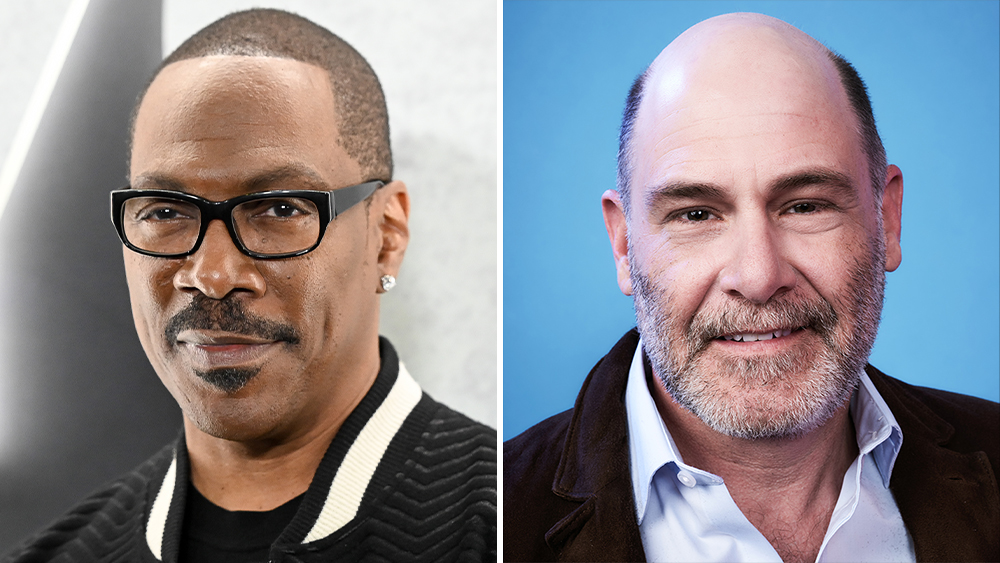
Matthew Weiner, the mastermind behind the Emmy‑winning dramedy Mad Men, stepped away from the helm of Peacock’s new high‑profile drama The Chairman—a role that had him juggling writer, executive producer and showrunner—after a decade of creative pause. The decision, confirmed by industry insiders, comes as the project, centered on a charismatic political figure, is still a month away from full production and already buzzing with anticipation.
The exit followed “creative differences” that reportedly widened between Weiner and the project’s creators at 101 Studios and Universal Television. reportedly the show—conceived by David Glasser’s studio and produced under Universal’s banner—had initially attracted attention for pairing the seasoned writer with the legendary comedian Eddie Murphy. With the streaming service courting a sharp, politically charged drama, expectations were high, but the partnership dissolved before a single scene was filmed.
Background & Context
Matthew Weiner’s legacy in television is indelible. From the razor‑sharp narrative of Mad Men to the more recent The New Amelia, his work has consistently blended period detail with contemporary commentary. After Mad Men concluded in 2015, Weiner spent the next decade in relative silence, developing projects that never reached fruition. His return to the scene with The Chairman signaled a fresh direction: a modern political drama set in the corridors of power, featuring a character who oscillates between charisma and ruthless ambition.
The project’s backbone is 101 Studios, led by David Glasser, known for producing bold, boundary‑pushing content. Together with Universal Television, the partnership aimed to bring a distinct narrative voice to Peacock’s lineup. Eddie Murphy’s attachment—a role that places him at the center of a political narrative rather than his usual comedic territory—was a bold move, hinting at a shift toward darker, more complex storytelling on the network. The initial announcement, made less than a month before Weiner’s departure, highlighted the star power and creative ambition, sparking speculation about a potential reunion between Murphy and a seasoned showrunner.
Despite the promise, the collaboration faltered. Industry chatter suggests that the long‑term vision for The Chairman diverged from Weiner’s storytelling approach, leading to the inevitable split. While the specifics remain confidential, the publicized “creative differences” underscore the challenges that arise when high‑profile talent and seasoned creators intersect on a single vision.
What People Are Saying
Within Hollywood, the news of Weiner’s exit has prompted a mix of surprise and speculation. Viewers who followed Mad Men are intrigued by the prospect of seeing Weiner tackle a political drama, and many are disappointed that the collaboration has dissolved. The decision has stirred conversations about the difficulty of aligning creative visions, especially when a project involves a high‑profile star like Murphy, whose own public persona carries weight beyond the screen.
Some analysts point to the evolving landscape of streaming, noting that networks like Peacock are eager to diversify their content libraries with bold, contemporary narratives. The abrupt change in showrunning staff may prompt discussions about the cost of maintaining creative cohesion in an era where brand identity and audience expectations are more fluid than ever. Fans of Murphy have expressed both excitement and skepticism, curious whether the project will continue to explore the actor’s dramatic range or revert to familiar comedic territory.
Meanwhile, talent agencies and production companies are watching closely. The incident serves as a reminder that even established creators must navigate the intricacies of collaborative storytelling, balancing their artistic integrity with the expectations of partners and platforms. It also highlights the volatility inherent in high‑budget, high‑visibility projects where every decision carries significant commercial implications.
What Happens Next
With Weiner’s departure, Peacock has been tasked with finding a replacement capable of delivering the series’ ambitious tone. Early reports suggest that the studio is exploring a roster of experienced showrunners known for their work on politically charged dramas. The search will involve balancing narrative fidelity with a fresh perspective that can capture the complex dynamics at play in The Chairman.
Production timelines are now uncertain. While the script is reportedly complete, the new showrunner will need to align the creative vision, potentially rewriting or reconfiguring key scenes to fit their style. The studio’s partnership with Universal Television could expedite this transition, given the resources and experience at its disposal. Meanwhile, Eddie Murphy’s commitment to the role remains unconfirmed, but the star’s involvement remains a critical factor in the project’s viability. Should he remain attached, the new leadership will need to ensure that the character arc aligns with both the actor’s strengths and the series’ overarching narrative.
From a strategic perspective, Peacock is likely to revisit its content calendar. A change in showrunning could delay the premiere, affecting the network’s competitive positioning against other streaming services. In the broader industry, the situation underscores the importance of aligning creative objectives early in the development process to mitigate disruptions later on.
As the studio moves forward, audiences will watch closely to see how the series ultimately unfolds. Will the new showrunner honor Weiner’s original framework, or will the series take a decisive turn in tone and pacing? The answer remains uncertain, but the stakes are high: a successful execution could solidify Peacock’s reputation for daring, well‑crafted dramas, while missteps might tarnish its brand.
The story of The Chairman illustrates the delicate balance between visionary storytelling and practical production realities. In an era where talent, platforms, and audience expectations collide, the path from conception to broadcast remains anything but linear. Whether the series ultimately meets the high hopes set at its inception will only become clear as the next chapter of this unfolding drama unspools.
The Bottom Line
MyWorldPulse believes that Matthew Weiner’s exit from The Chairman is a cautionary tale for all streaming projects. High‑profile talent can bring unparalleled visibility, but it also raises the stakes when creative visions clash. Peacock’s decision to bring in a new showrunner should be guided not only by commercial considerations but also by a clear, collaborative framework that respects the original narrative intent. The industry must learn that talent attachment—whether a veteran writer or a comedy icon—does not guarantee a smooth production. Instead, it demands early, transparent dialogue between creators, studios, and platforms to prevent costly disruptions. Ultimately, audiences deserve stories that deliver on their promises, and that requires a balance between creative ambition and practical execution. MyWorldPulse urges Peacock to maintain the momentum of The Chairman by securing a showrunner who can honor Weiner’s foundational concepts while injecting fresh political insight, ensuring the series remains compelling and coherent for viewers who have already invested emotional energy into its premise.
Reference:
- Peacock Announces The Chairman Development Status
- Matthew Weiner’s Official Twitter Statement on The Chairman Exit
Read more celebrity news at MyWorldPulse.