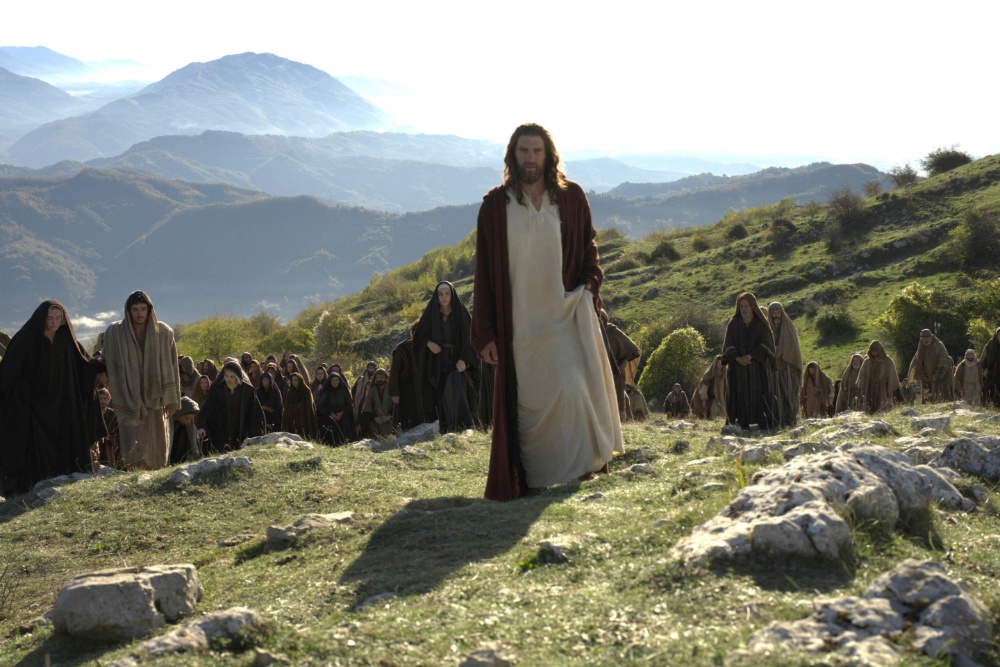
Mel Gibson has once again turned his cinematic lens toward a tale of divine rebirth, and Italy is poised to bring his newest biblical saga to its streets, theaters, and screens. In a deal that echoes the massive impact of his 2004 blockbuster, Rome’s public broadcaster RAI Cinema and the Leone Film Group have secured exclusive Italian distribution rights for “The Resurrection of the Christ,” a two‑part sequel that promises to revisit the crucifixion narrative from a fresh, modern perspective.
The announcement came after a decade‑long journey of pre‑production, financing, and negotiations with Lionsgate, the studio that initially distributed the original film. The two‑part epic, set to premiere in the heart of Cinecittà, Rome’s legendary studio complex, is expected to push the boundary between historical drama and contemporary storytelling. The deal signals a strong appetite for faith‑based cinema in Europe, a genre that has historically drawn sizable crowds while often flying under mainstream radar. With a projected budget exceeding $100 million, the project will not only showcase Gibson’s directorial vision but also re‑ignite interest in Rome’s storied film heritage.
Behind the scenes, the collaboration is proof of the global nature of film production today. While the original Passion project captured audiences worldwide in 2004, the new sequel will once again harness the cinematic potential of Italian locations, local talent, and the rich visual tapestry of the Eternal City. For fans of Gibson’s uncompromising storytelling, the film promises to deliver a visual spectacle that intertwines religious reverence with the gritty realism that has defined his career.
Background & Context
The path to Italy’s cinematic revival began with a 2003 decision by Gibson to shoot the original “The Passion of the Christ” in Rome’s iconic Cinecittà studios. That film, a monumental independent release, earned over $600 million worldwide and set a benchmark for faith‑based blockbusters. Two decades later, the same director returns, this time with “The Resurrection of the Christ,” aiming to complete the biblical narrative from crucifixion to ascension. The partnership with RAI Cinema and Leone Film Group underscores a strategic shift: public broadcasters increasingly seek exclusive rights to high‑budget films that can generate both cultural impact and box‑office returns.
RAI Cinema’s involvement signals a growing trend among national broadcasters to acquire high‑profile cinema projects that carry both artistic merit and commercial potential. Leone Film Group, with its experience in handling large‑scale productions, brings logistical expertise essential for a project of this magnitude. Together, they will navigate a complex distribution landscape that includes theatrical releases, streaming partnerships, and international film festival circuits. The film’s debut at Rome’s prestigious cinema festival is anticipated to set a precedent for how epic biblical dramas can be integrated into mainstream film calendars, offering a model for future productions.
Simultaneously, a different kind of film platform is making strides on the other side of Europe. Sri Lankan cinematographer Dhanushka Gunathilake has recently taken the helm of Tallinn Black Nights Film Festival’s Industry@Tallinn & Baltic Event, a hub designed to bridge film education and industry networking. Gunathilake’s appointment signals a renewed focus on nurturing emerging talent, fostering collaborations between students and professionals, and providing a pipeline for new voices in cinema. His vision aligns with the broader mission of the festival: to position Tallinn as a central node in the Baltic film ecosystem and to offer practitioners access to cutting‑edge technology, mentorship, and market exposure.
Gunathilake’s background in cinematography adds a practical dimension to the program. He plans to expand workshops on visual storytelling, incorporate emerging digital techniques, and create an environment where academic theory meets real‑world production demands. By doing so, he aims to cultivate a generation of filmmakers who can navigate both artistic expression and the commercial realities of the global market. The partnership with Industry@Tallinn underscores the festival’s role not only as a showcase but also as a catalyst for career development, bridging the gap between education and employment in the cinematic arts.
The convergence of these initiatives highlights a shared belief in film as a transformative medium. While Gibson’s cinematic vision seeks to reframe ancient narratives for modern audiences, Gunathilake’s platform strives to equip fresh creators with the tools they need to shape their own stories. Together, they illustrate how the film industry is evolving—balancing reverence for tradition with an embrace of innovation.
What People Are Saying
Industry insiders view the distribution deal with cautious optimism. Producers familiar with Gibson’s previous work note that the director’s meticulous attention to detail, combined with the fresh resources from RAI Cinema, could result in a visually stunning piece that appeals to both faith‑based and general audiences. Critics are already speculating that the film might break new ground in the portrayal of biblical events, potentially reshaping genre expectations and sparking broader conversations about spirituality in cinema. The anticipation is amplified by the fact that this project is a direct continuation of a film that already commanded worldwide attention.
In Tallinn, Gunathilake’s arrival has been met with enthusiasm from both students and established filmmakers. Attendees at the first Industry@Tallinn workshop praised the new curriculum, citing hands‑on sessions that emphasize collaboration and technological fluency. The Baltic Event’s emphasis on industry connections has already yielded pilot projects, with several participants securing co‑production deals through the festival’s network. Gunathilake’s reputation as a cinematographer brings a distinct practical lens to the educational model, encouraging participants to think critically about visual storytelling while remaining grounded in production realities.
While the film and festival scenes receive widespread acclaim, another story from the entertainment world has taken a more somber tone. Former music mogul and entrepreneur, a 57‑year‑old inmate currently serving a 50‑month sentence at FCI Allenwood Low in Pennsylvania, has announced a Thanksgiving dinner that, while modest, has captured public imagination. Unlike the lavish celebrations associated with his former life, this year’s feast will be prepared by the federal prison kitchen, featuring a traditional menu that includes turkey or tofu stir‑fry, mashed potatoes, gravy, candied sweet‑potato casserole, sage‑onion stuffing, green beans, cranberry sauce, dinner rolls, and pecan pie. The choice of menu items reflects a blend of comfort and simplicity, resonating with a broader audience who understands the contrast between celebrity excess and institutional restraint.
The inmate’s public statements, made through his spokesperson, emphasize a desire to use the holiday as a time for community and generosity. He highlights his past involvement in organizing a commissary‑sponsored meal for more than a thousand fellow inmates, illustrating his ongoing commitment to philanthropy even from within prison walls. This act of giving, coupled with his candid acknowledgment that the forthcoming feast will be “not up to Bad Boy Records standards,” adds a layer of poignancy to the narrative, reminding observers that even high‑profile figures can face profound personal transformation.
These disparate stories share an underlying theme: the enduring power of storytelling, whether through film, education, or personal gestures. Whether Gibson is crafting a new epic in Rome, Gunathilake is fostering emerging talent in Tallinn, or the former mogul is redefining celebration behind bars, each narrative illustrates how art and culture can adapt, inspire, and reflect society’s evolving values.
What Happens Next
The next few months will see a flurry of activity surrounding Gibson’s project. Production is slated to commence in early spring, with the first part of the two‑part saga expected to roll out in the late summer. Marketing teams from RAI Cinema and Leone Film Group will collaborate with Lionsgate to coordinate a global release strategy that leverages both traditional theaters and digital platforms. The film’s premiere is likely to be highlighted at the upcoming Rome Film Festival, where audiences will get a first glimpse of the cinematic scale and narrative depth that Gibson has promised.
Concurrently, Gunathilake will expand Industry@Tallinn’s offerings to include a series of masterclasses on post‑production, distribution, and festival strategy. He plans to invite international industry veterans to speak, aiming to position Tallinn as a hub where local talent can meet global opportunities. These initiatives are expected to attract increased participation from Baltic filmmakers, potentially leading to new co‑production agreements that could shape the region’s cinematic output for years to come.
On the other side of the continent, the former mogul’s Thanksgiving dinner will serve as a poignant reminder of the complexities of celebrity life and incarceration. While his legal team continues to appeal his convictions, the inmate’s engagement with his prison community signals a shift toward humanitarian gestures, a theme that could resonate with broader conversations about rehabilitation and restorative justice. The annual holiday meal, modest in scope yet rich in symbolism, may also spark discussions on how public figures can maintain their influence and compassion even while serving time.
Across these narratives, one constant remains: the interplay between art, personal journey, and societal context. Whether through a biblical epic, a film festival’s educational platform, or a prison’s holiday menu, the stories underscore how storytelling, in its many forms, continues to shape and reflect the human experience.
The unfolding events—Gibson’s cinematic resurrection, Gunathilake’s mentorship initiatives, and the prison Thanksgiving—each promise to leave an indelible mark on their respective arenas, reminding audiences that even the most divergent paths can converge around the power of narrative.
The Bottom Line
—MyWorldPulse Editorial Team
Mel Gibson’s ambitious “Resurrection of the Christ” is more than a cinematic reboot; it’s a bold statement about where faith‑based storytelling can go in the 21st century. By partnering with Italy’s public broadcaster RAI Cinema and seasoned production house Leone Film Group, the project leverages national pride, historic locations, and a staggering $100 million budget to craft an epic that will resonate across cultures. The strategic release—premiering at Rome’s Cinecittà and debuting on both theatrical screens and streaming platforms—reflects a nuanced understanding of today’s diverse audiences. While some skeptics may question the commercial viability of a biblical saga in an oversaturated market, the sheer scale of the investment signals confidence in the genre’s enduring pull. Ultimately, this film could herald a renaissance for religious cinema, proving that ancient narratives still hold the power to captivate modern viewers when presented with fresh perspective and high production values.
Reference:
- Official post on Mel Gibson's verified Instagram
- RAI Cinema press release announcing exclusive Italian distribution
Read more celebrity news at MyWorldPulse.