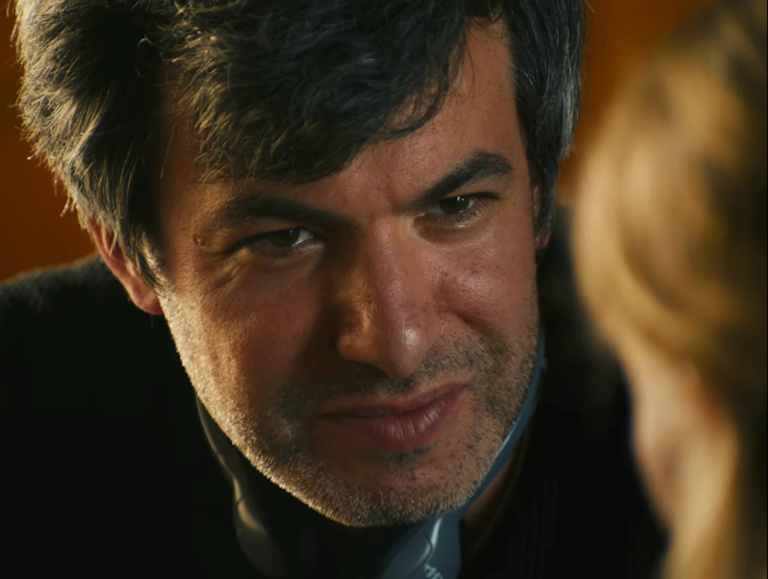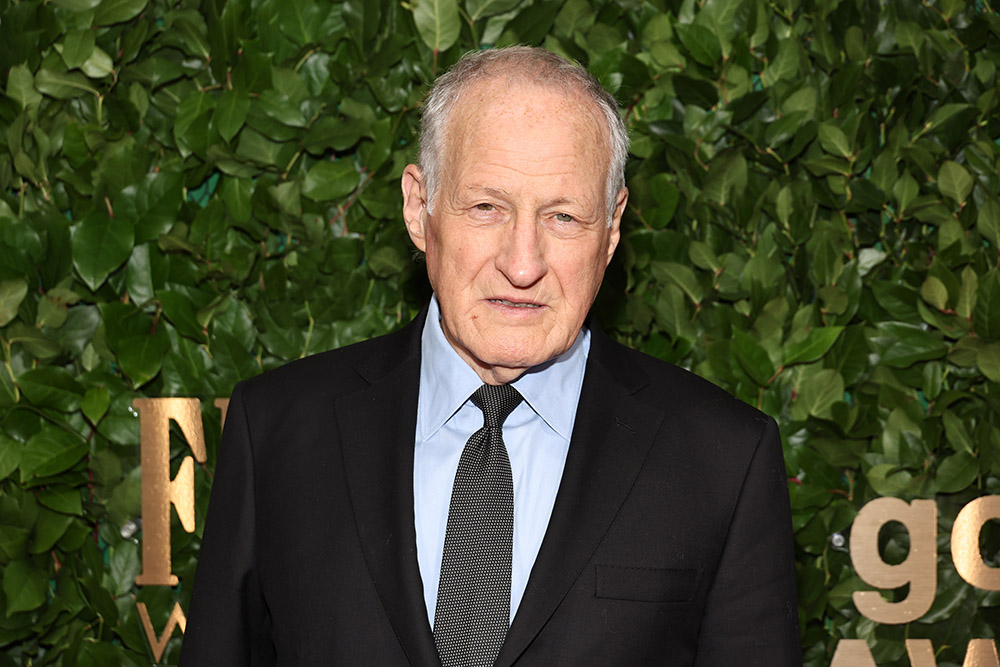
The veteran director Michael Mann is fighting to reclaim the screenplay that birthed a classic crime epic, while a major studio insists it still owns the rights.
In a move that could alter the future of a franchise that still commands fan devotion, Mann has filed a legal claim to take back control of the text that brought together Al Pacino, Robert De Niro, and a city’s gritty streets into a cinematic landmark. The dispute surfaced just weeks before filming is slated to begin on “Heat 2” in January, a date that has fans and insiders alike holding their breath.
The original film, released in 1995, became a touchstone of mid‑century crime cinema, earning acclaim for its razor‑sharp dialogue, nuanced characters, and a scene that would later be parodied on countless shows. Mann, who wrote and directed the 1995 feature, has long asserted that the screenplay he crafted should remain his property. New Regency, the production house that financed the first film and now backs the sequel, contends that its contractual rights to the screenplay persist. The lawsuit was lodged on a Friday, setting the stage for a legal showdown that will play out against the backdrop of a new production schedule.
Background & Context
“Heat” was a confluence of Mann’s long‑term vision and the studio’s investment. The film’s narrative—centered on a master thief and a determined detective—was born from a script Mann co‑authored, a document that ultimately defined the film’s tone and pacing. In 1995, when the project was greenlit, standard industry practice granted the production company exclusive ownership of the screenplay, a clause that has since been the crux of the current conflict.
The rights landscape in Hollywood is intricate. While a studio may hold the official copyright to a screenplay, creators often negotiate for a share of the creative control or profit participation. Over the years, Mann has spoken publicly about his desire to maintain a degree of stewardship over the material he helped create. This desire has now manifested in a formal legal action aimed at disentangling his authorship from the studio’s blanket ownership.
With “Heat 2” poised to launch in January, the timing is no accident. The production schedule is tight, and any injunction or restraining order could halt the momentum built by the studio’s marketing campaigns and the anticipation from a global fanbase that remembers the original’s iconic car chase and the quiet, tense cat‑and‑mouse exchanges. The stakes are amplified by the fact that the original film continues to be referenced in popular culture, ensuring that its legacy will be judged against any new material emerging from its narrative universe.
What People Are Saying
Industry observers note that this dispute highlights a broader tension between auteur filmmakers and the corporate structures that fund their projects. While the studio maintains that it possesses the legal rights to the screenplay, Mann’s position underscores the artist’s claim to the story that he has lived with for decades. Critics of the lawsuit argue that the studio’s argument is grounded in contract law, whereas proponents of Mann emphasize the creative ownership that has shaped the franchise’s identity.
Within the entertainment community, reactions are divided. Some see the lawsuit as a rightful reclamation of creative control, while others warn that it could jeopardize a film that many expect to see. The legal arguments also resonate with debates around intellectual property, especially as the industry moves toward more collaborative models where writers, directors, and producers increasingly negotiate for shared ownership.
From a fan perspective, the news has ignited heated conversations on forums and social media. Longtime devotees of the original film are keenly watching how the legal tussle might affect the thematic and stylistic continuity of “Heat 2.” Those who appreciate Mann’s signature atmospheric approach feel the dispute threatens to dilute the authenticity that fans cherished in the 1995 version. Conversely, some speculate that a new voice might bring fresh energy to the franchise, potentially redefining its legacy.
What Happens Next
The immediate next step involves the court’s assessment of the contractual documents that governed the original screenplay’s ownership. If the judge sides with the studio, Mann will likely be required to negotiate a licensing agreement to use the script for the sequel, potentially incurring financial penalties. Should the ruling favor Mann, the production company may need to re‑work the screenplay or find a different author, a move that could derail the filming schedule set for January.
Beyond the courtroom, the dispute will influence the production’s logistical planning. Filming crews, casting choices, and location scouting have all been coordinated under the assumption that the script rights are secure. Any legal injunction could force the production to pause, leading to increased costs and a shift in release timelines. This ripple effect will also touch distributors, marketing teams, and even ancillary markets such as streaming platforms that have earmarked dates for the sequel’s rollout.
In the broader context of film rights disputes, this case could set a precedent. If Mann successfully reclaims the screenplay, it might encourage other directors to seek similar agreements, prompting studios to revisit their contracts to safeguard against future conflicts. Conversely, a ruling favoring New Regency could reinforce the traditional model of studio ownership over written material, solidifying the current hierarchy of control within Hollywood’s production ecosystem.
The outcome will be closely monitored by studios, creators, and audiences alike. For those who have followed “Heat” since its 1995 release, the legal battle is more than a contractual dispute; it is a clash between the enduring vision of a filmmaker and the commercial frameworks that govern modern cinema. The resolution will shape not only the fate of a long‑anticipated sequel but also the dialogue between artistic intent and corporate stewardship that defines the industry’s future.
The Bottom Line
The Heat lawsuit underscores that creative vision cannot be sidelined by contractual jargon. Mann’s fight is not just about a screenplay; it’s about the right to shape a narrative that has resonated for decades. A studio victory would perpetuate a system where writers and directors are foot soldiers in a corporate hierarchy, willing to surrender control for funding. That is a slippery slope for creative autonomy. In contrast, a ruling in favor of Mann would signal that filmmakers can protect the essence of their work, even when studios are involved. MyWorldPulse believes that the industry should move toward balanced agreements where ownership and profit participation reflect the contributions of the creative mind that turns a script into a cultural phenomenon. The stakes are high not only for the filmmakers but for audiences who expect continuity and authenticity in beloved franchises. —MyWorldPulse
Reference:
- Official post on the person's verified social media account
Read more celebrity news at MyWorldPulse.