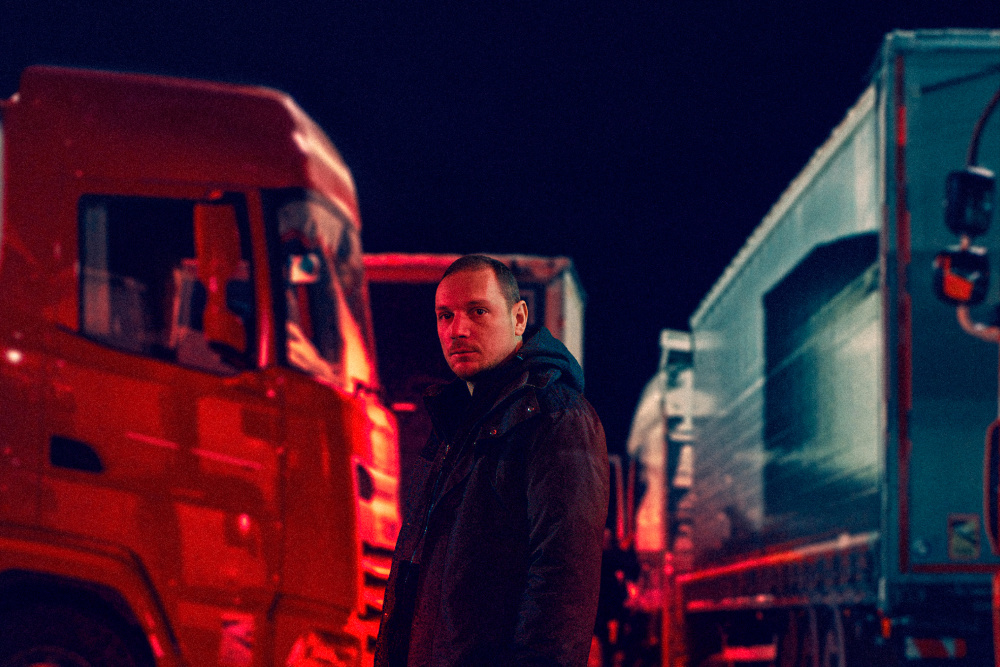
Pierre Le Gall, 37, stepped onto the stage at the Zurich Film Festival’s Golden Eye ceremony, eyes glistening as he accepted the coveted award for his Cannes‑born love story, Flesh and Fuel. The French director’s hands trembled with a mix of disbelief and triumph, a moment that felt like a private celebration between the filmmaker and his crew, who had chased the film’s raw vision from the cramped backlots of Paris to the glamorous halls of the Palais des Arts.
The film, a passionate exploration of a couple’s intertwined lives, first premiered in the Critics’ Week lineup at Cannes, where it was met with a hush of admiration and a ripple of applause. Its narrative, driven by a visceral intensity that leans into both human connection and the rawness of existence, resonated with audiences who had grown weary of polished, mainstream fare. Le Gall’s approach—combining handheld intimacy with a sweeping, almost cinematic scope—caught the eye of critics and viewers alike, earning a spot among the festival’s most talked‑about debuts.
The 22nd Zurich Film Festival, known for its discerning eye toward global cinema, crowned Flesh and Fuel with its top prize, the Golden Eye. While the festival also awarded Pete Muller’s Bucks Harbor the documentary’s Golden Eye for best documentary, Le Gall’s win signaled a broader embrace of emotionally charged storytelling that blurs the line between documentary and narrative film. In a ceremony that mixed the gravitas of European cinema with the pulse of contemporary storytelling, Le Gall’s victory underscored the festival’s commitment to showcasing work that challenges and captivates.
Background & Context
For years, the Zurich Film Festival has positioned itself as a crucible where emerging talent meets seasoned maestros, creating a fertile ground for both experimentation and homage to cinema’s enduring traditions. The 2024 edition, marked by a 22nd iteration of the festival, brought together a mosaic of voices—from the avant‑garde to the commercially oriented—highlighting the breadth of modern filmmaking. In this environment, Flesh and Fuel stood out not just for its emotional depth but also for its cinematic audacity. Its premiere in Cannes Critics’ Week—an incubator for bold, often unconventional works—gave the film an initial platform that was both prestigious and demanding, setting the stage for a journey that would culminate in Zurich’s highest honor.
The competition that night was fierce. Among the entries were bold, genre‑shifting narratives and subtle, character‑driven pieces, each vying for the Golden Eye’s recognition. While Pete Muller’s Bucks Harbor claimed the documentary category, the overall Golden Eye, reserved for the most compelling feature, fell into Le Gall’s hands. The juxtaposition of a documentary and a love story sharing the same overarching prize category reflects the festival’s holistic appreciation of film’s power to reveal truth, whether through raw footage or scripted narrative.
Parallel to Zurich’s triumphs, the global festival circuit was buzzing with announcements that added texture to the cinematic landscape. In Denver, the film community was already abuzz with the lineup slated for the forthcoming festival. Peter Farrelly’s I Play Rocky was set to open the fest, promising an energetic, star‑studded kickoff, while James Gray’s Paper Tiger was slated to close the event, bringing a tense, dramatic finale. Between these two anchors, Denver’s programming promised to weave a tapestry of voices, featuring honorees such as Carrie Coon, John Cho, Liz Sargent, Fred Hechinger, Benedetta Porcaroli, David Acord, and experimental filmmaker Michael Gitlin—each proof of the city’s growing reputation as a hub for diverse cinematic expressions.
What People Are Saying
The reception to Flesh and Fuel has been nothing short of electrifying. Critics who attended the Zurich ceremony noted Le Gall’s deft handling of intimacy, praising his ability to capture the raw, unfiltered moments that define human connection. The film’s narrative structure—interlacing scenes of passion with quieter, introspective interludes—has been lauded as a masterstroke of pacing. Viewers who attended the premiere in Zurich left the theater humming with a sense of awe, often discussing how the film blurred the boundaries between love and survival in a way that feels both universal and deeply personal.
Meanwhile, the buzz around Denver’s festival lineup has drawn a different yet equally passionate audience. Fans of Farrelly’s work anticipate a high‑energy, comedic opening that promises to set a lively tone, while those drawn to Gray’s oeuvre look forward to a tense, thought‑provoking conclusion. The selection of honorees—spanning actors, directors, and experimental visionaries—has sparked conversations about the importance of recognizing varied storytelling approaches. These discussions mirror the themes Le Gall’s film ignites: the complexity of relationships, the endurance of artistic vision, and the capacity of cinema to resonate across cultural and stylistic boundaries.
The shared energy across both festivals also underscores a broader industry trend: a move toward celebrating films that balance technical prowess with heartfelt storytelling. Whether through Le Gall’s love story or the diverse roster in Denver, audiences and critics alike are gravitating toward projects that offer both depth and innovation. The collective acclaim for Flesh and Fuel and the anticipation surrounding Denver’s lineup signal a shift in cinematic taste—one that values the raw authenticity and fearless exploration of the human condition.
What Happens Next
With the Golden Eye now in his possession, Pierre Le Gall is poised to expand the reach of Flesh and Fuel. The festival’s award comes with opportunities for wider distribution, both in art‑house circuits and on streaming platforms that specialize in auteur cinema. Industry insiders suggest that distributors will be eager to pick up the film, recognizing its potential to resonate with audiences seeking genuine, emotionally charged narratives. Le Gall himself has hinted at a possible international tour, where he plans to engage with viewers in Q&A sessions, offering insights into the film’s creation and the personal inspirations that fueled its passion.
Simultaneously, the Denver Film Festival is preparing to launch a weekend that promises to blend mainstream appeal with indie grit. Peter Farrelly’s I Play Rocky will kick off the event, drawing crowds with its signature humor and star power, while James Gray’s Paper Tiger will close the festival, leaving attendees with lingering questions about identity and ambition. The honorees—Carrie Coon, John Cho, Liz Sargent, Fred Hechinger, Benedetta Porcaroli, David Acord, and Michael Gitlin—will likely participate in panels and screenings, offering a cross‑section of perspectives that underscore the festival’s commitment to diverse storytelling.
These developments suggest a synergistic future for the film community. Le Gall’s victory in Zurich could pave the way for collaborations that intersect with Denver’s vibrant lineup, creating a platform where stories from different cultural contexts converse. As the film season progresses, audiences can expect a ripple effect: festivals feeding into one another, distributors championing bold narratives, and creators pushing the envelope further. The energy generated by Le Gall’s success and Denver’s lineup could very well set the tone for the next wave of cinematic innovation.
In the end, Pierre Le Gall’s Flesh and Fuel stands as proof of the power of storytelling that feels both intimate and universal. Its triumph at Zurich’s 22nd festival not only crowns a filmmaker’s dedication but also highlights a global cinematic moment where passion meets recognition, promising that the best of cinema will continue to emerge from places where heart and craft collide.
Read more celebrity news at MyWorldPulse.