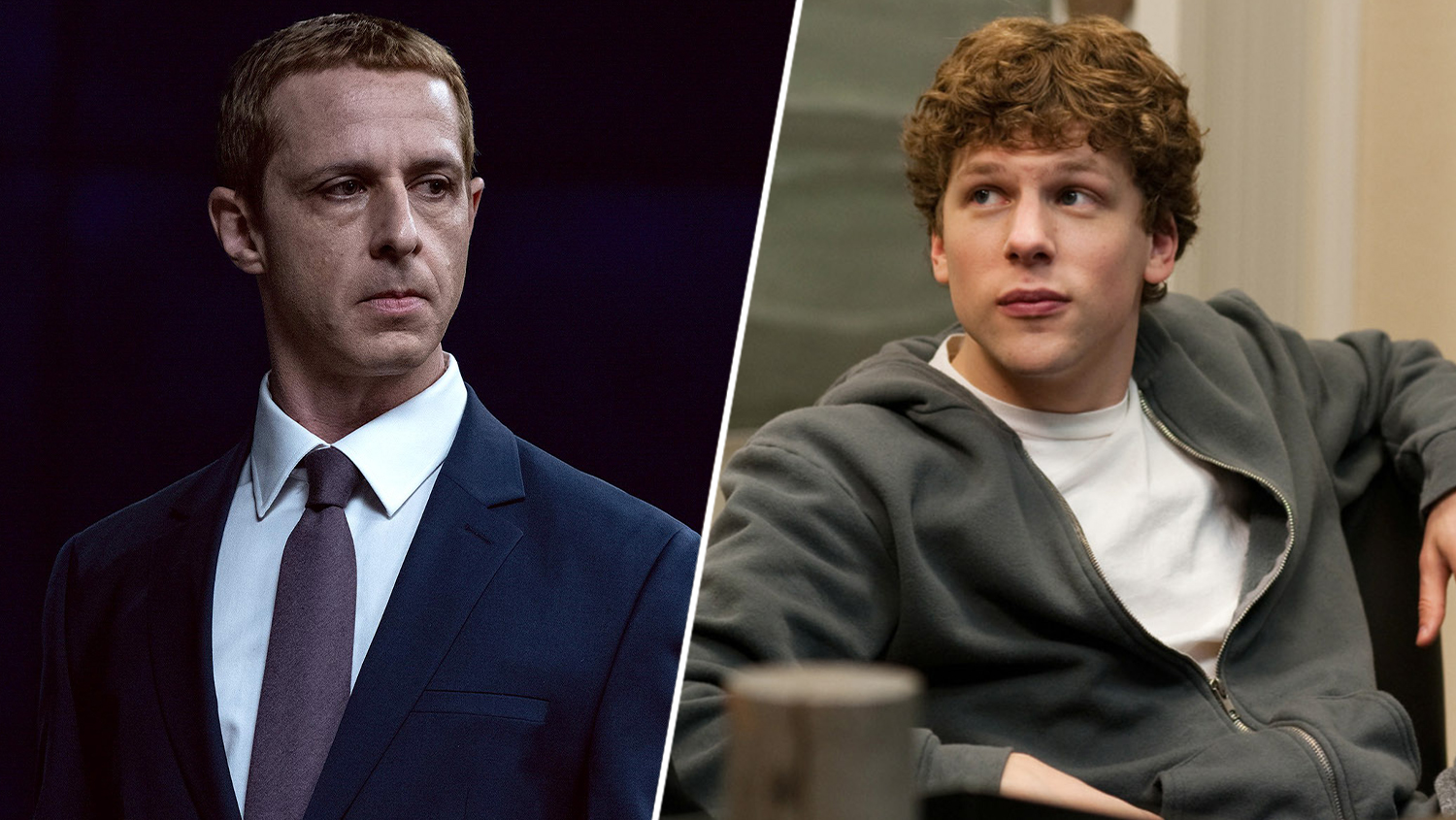
When Aaron Sorkin clicked “Log In” on his Facebook profile in mid‑June, he expected a familiar exchange of friend requests with co‑writer and actor Jesse Eisenberg, the man who turned into the sharp‑tongued Zuckerberg in The Social Network. Instead, Eisenberg’s account rejected the invitation, prompting Sorkin to remark that he “never occurred” to him that the actor would decline to reprise his role in the upcoming sequel, The Social Reckoning, slated for release on October 9. The brief digital spat made front‑page headlines, but behind the scrolling feed lies a more complex story about the fragile choreography of creative collaboration.
The misstep unfolded on a platform that has become a public stage for professional relationships, especially when the stakes are as high as a franchise sequel that has already earned a shared Academy Award for Best Adapted Screenplay. Sorkin’s frustration was not so much about a denied request as about the sudden rift in what had been a long‑standing partnership. After all, the original film was written in a single night, and the actor and writer had traded quips and rewrites for years. The sudden refusal was a stark reminder that even the most seasoned creators can feel blindsided by the choices of their collaborators.
In a similar vein, a different corner of the television world is grappling with creator‑studio dynamics. Ryan Murphy, known for pushing boundaries with The Handmaid’s Tale and American Horror Story, has a substantial overall deal with Disney’s 20th Television. Yet his new FX series, The Shards, has yet to secure a ratings breakout. As the industry watches Murphy’s next move, the question remains whether a high‑profile partnership with a global conglomerate can translate into a green light for a series that has not yet captured a broad audience.
Background & Context
Aaron Sorkin first made his name in the 1990s with the sharp‑witted The Newsroom and later the blockbuster The Social Network, where he portrayed the young, idealistic lawyer who helped build a tech titan. The film's success catapulted both Sorkin and Jesse Eisenberg into the spotlight, and their on‑screen chemistry set a standard for future biopics. The sequel, The Social Reckoning, promises to revisit the world of Meta and its controversial founder, with Eisenberg back in the role that made him a household name. Yet the relationship between the two has evidently cooled, perhaps due to differing creative visions or personal commitments, as hinted by the Facebook incident.
On the other side of the spectrum, Ryan Murphy’s recent partnership with Disney reflects the industry’s trend of consolidating creative talent under large studio umbrellas. Murphy’s multi‑year overall deal with 20th Television, which is now part of Disney, underscores his clout, but The Shards remains a mid‑tier performer on FX. The show’s modest viewership has not drawn the same ratings enthusiasm as his earlier projects. Despite the financial backing, the series still faces an uncertain renewal path, illustrating that even high‑profile creators must negotiate a complex array of metrics to keep a show alive.
Both narratives highlight a recurring theme in modern entertainment: the tension between artistic intent and business realities. Whether a screenwriter’s vision for a digital platform or a creator’s contract with a streaming giant, the outcomes hinge on more than talent alone. Relationships are tested, expectations recalibrated, and decisions made that reverberate across the industry’s ecosystem.
What People Are Saying
Social media reactions to Sorkin’s denied friend request were swift and varied. Some fans lauded Sorkin for calling out the perceived snub, while others argued that professional disagreements are best kept private. Twitter threads swarmed with commentary on the fragility of creative alliances, pointing to how even the most celebrated collaborations can falter when personal and professional lines blur. Many commenters referenced the broader conversation about digital platforms serving as both creative spaces and public arenas for conflict.
In television circles, the buzz around The Shards has been quieter but no less intense. Analysts have noted that FX’s viewership data shows the show has not achieved the audience numbers required for renewal, even though critical reception remains positive. Rumors about Murphy’s future projects have circulated, with some industry insiders suggesting that his Disney deal could offer him leverage to secure funding for new ventures. Others caution that a partnership with a conglomerate may limit creative freedom, especially if a show does not perform as expected.
While the two stories are distinct, they intersect in the shared sentiment that the modern entertainment landscape rewards both bold vision and strategic negotiation. Fans are eager to see how long-term creative partnerships will evolve, and industry professionals are watching closely to see whether deals with major studios will translate into sustained success on the small screen.
What Happens Next
The immediate focus for Sorkin and Eisenberg is the October 9 release of The Social Reckoning. While the film’s marketing team will likely downplay the social media hiccup, the two will need to coordinate on promotional appearances, ensuring that any lingering tension does not spill into public forums. Sorkin has already begun to re‑engage with fans through other channels, including a scheduled Q&A at the upcoming film festival circuit, where he will discuss the challenges of revisiting a character that has become iconic.
For Murphy and The Shards, the next steps involve a formal renewal review by FX executives. The network will weigh the show’s performance against its potential for growth, considering the broader portfolio of Murphy’s works and the strategic benefits of maintaining a relationship with a high‑profile creator. If the decision is negative, the network might still explore a limited series or digital spin‑off to capitalize on the existing fan base, using the flexibility that a Disney partnership can afford.
In both cases, the outcome will have ripple effects. A successful release of The Social Reckoning could reignite interest in the franchise, possibly opening doors for a more collaborative future between Sorkin and Eisenberg. Similarly, a renewal or new format for The Shards would reinforce the viability of creator‑driven shows in a competitive streaming environment, potentially influencing how studios structure future deals.
The entertainment industry is in a constant state of flux, and these two narratives—one a social media misstep, the other a studio‑creator negotiation—serve as microcosms of the challenges faced by modern creatives. Whether on the big screen or the small, the interplay between art, business, and personal dynamics continues to shape the stories that reach audiences worldwide.
The Bottom Line
At MyWorldPulse, we see the Facebook drama between Aaron Sorkin and Jesse Eisenberg as a cautionary tale about how personal relationships are now public property. The act of rejecting a friend request is a microcosm of the broader struggle: in an era where every interaction is recorded and broadcast, the stakes of creative partnership are higher than ever. The incident also shows how a film’s success can hinge on more than just a great story—it can hinge on the chemistry behind the scenes. Similarly, Ryan Murphy’s experience with Disney and FX underscores that even a high‑profile studio backing does not guarantee survival if the content fails to resonate with viewers. The industry must rethink how it balances creative freedom with commercial imperatives. As we watch the next chapters of both the social media saga and the studio negotiations, it’s clear that the most valuable currency in entertainment today is the ability to navigate both the emotional and the transactional sides of the business. – The MyWorldPulse Editorial Team
Reference:
- Aaron Sorkin’s tweet about the Facebook incident
- Disney’s press release on Ryan Murphy’s overall deal
Read more celebrity news at MyWorldPulse.