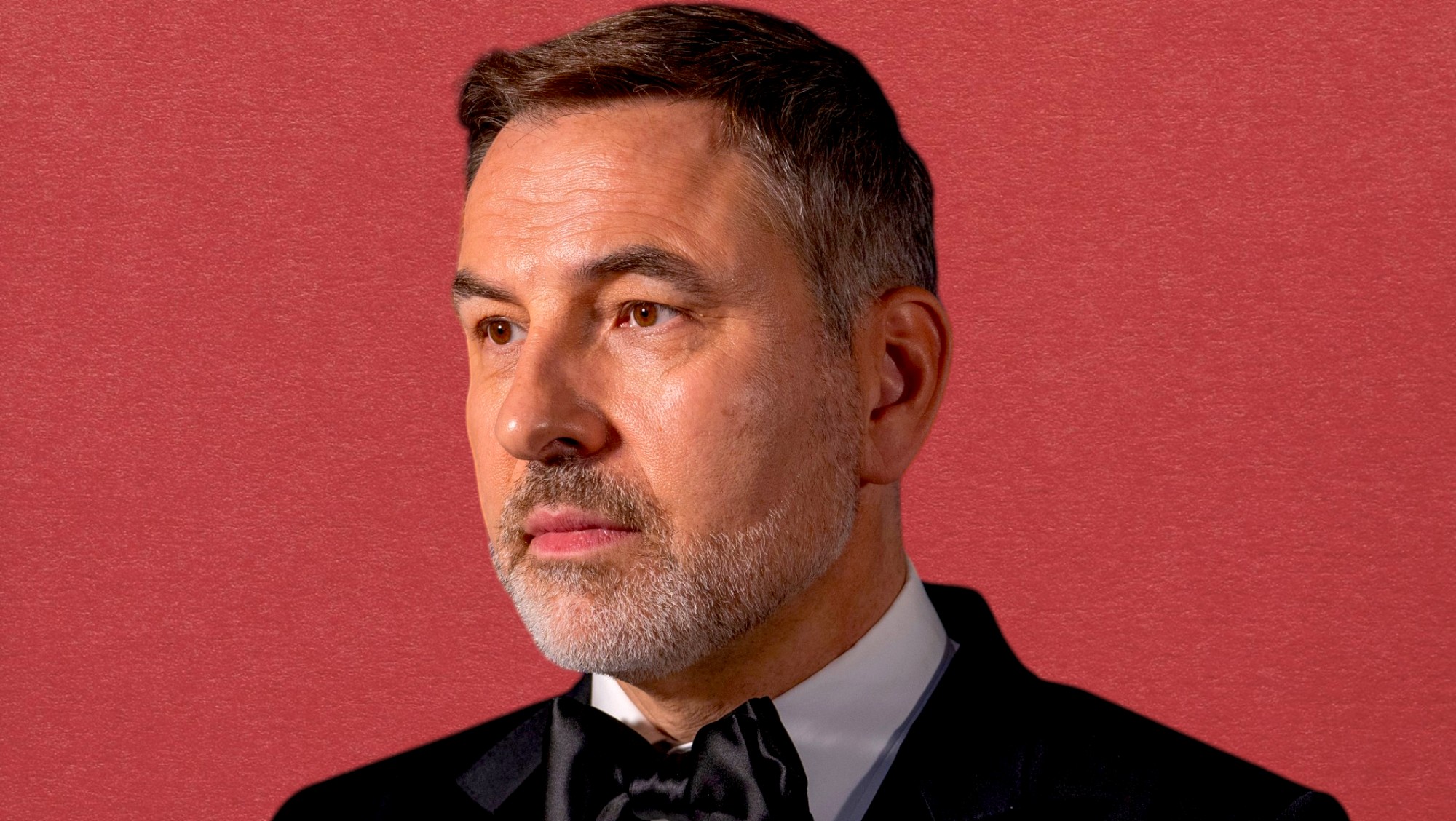
The former “Little Britain” star, once hailed as a comedic genius and beloved judge on Britain’s Got Talent, finds himself at the epicenter of a storm of sexual misconduct accusations that claim he groomed teenage girls for exploitative sexual activity. The claims surfaced after an ITV News and The Guardian joint investigation revealed the identity of an unnamed celebrity accused of such conduct. Walliams fought to suppress the name, but his legal bid for an injunction was rejected, and the story was published.
The allegations detail a pattern of sexual assault and grooming involving girls and young women, with Walliams allegedly manipulating and exploiting their vulnerability for sexual gratification. In the months that followed the investigation, the comedian sought to prevent the release of his name, but the court denied the request. During this tumultuous period, Walliams reportedly attempted suicide twice, a distressing turn that has amplified calls for psychological support and accountability. The revelation not only tarnishes the public image of a once celebrated performer but also raises urgent questions about safeguarding and the mechanisms that allow abuse to persist behind fame.
Walliams’ career has spanned comedy, television, and children's literature. He rose to prominence through the sketch comedy series Little Britain, later becoming a judge on Britain’s Got Talent and authoring best‑selling children’s books. Fans, who once celebrated his humor, now confront a stark dissonance between the entertainer’s public persona and the grave allegations leveled against him. The incident underscores a broader reckoning within the entertainment industry, wherein the lines between performance and personal conduct are increasingly scrutinized, and where powerful figures are expected to adhere to heightened standards of ethical responsibility.
Background & Context
David Walliams entered the public eye in the early 2000s as a co‑creator of the sketch show Little Britain, a series that became an international hit. His sharp wit and flamboyant costumes made him a household name, and he later transitioned to a high‑profile role as a judge on Britain’s Got Talent. In parallel, he built a successful career as a children's book author, with titles such as The Boy in the Dress and Drowned resonating with young readers across the globe. This dual presence in comedy and literature positioned him as a prominent, multifaceted public figure whose influence extended beyond adult entertainment into family-friendly media.
The allegations that surfaced involve claims of sexual assault and grooming of teenage girls and young women. The investigation, conducted by ITV News in partnership with The Guardian, identified Walliams as the unnamed celebrity at the center of these accusations. In an effort to protect his privacy and potentially mitigate reputational damage, he petitioned the court for an injunction that would have prevented the outlets from publishing his name. The legal motion was denied, and the story went public. The court's decision signaled that the alleged misconduct reached a level warranting disclosure to the public, thereby setting a precedent for the handling of similar future cases.
During the period surrounding the investigation, Walliams reportedly experienced profound personal distress. He had two recorded suicide attempts, a development that has prompted discussions about the mental health challenges that can arise when public scrutiny converges with legal jeopardy. Mental health professionals and advocacy groups emphasize the importance of support systems for individuals facing such crises, especially those who have been thrust into the spotlight under intense pressure. These events highlight the complex interplay between personal well‑being and the demands of a public career, and they underline the necessity for comprehensive support structures within the entertainment sector.
What People Are Saying
The reaction to the allegations has been sharply divided. A swathe of fans, who had once celebrated Walliams’ humor and storytelling, express shock and disappointment. Many social media posts convey a sense of betrayal, as the public grapples with reconciling the entertainer’s on‑stage persona with the alleged off‑stage behavior. Some fans have taken to online platforms to call for accountability, demanding that industry peers and audiences no longer tolerate the abuse of power. Meanwhile, others express a nuanced stance, acknowledging the gravity of the accusations while suggesting that the full context is still evolving and that a definitive verdict has yet to be reached.
Within the entertainment community, colleagues and former co‑workers have reacted with a range of emotions. Some have voiced concern over the impact such allegations can have on aspiring performers who may feel vulnerable in an environment where mentorship and influence can be abused. Industry insiders emphasize the importance of robust safeguarding policies, especially in settings that involve working with minors. There is also a growing recognition that systemic changes are required to prevent similar situations from arising, and the industry is beginning to adopt stricter protocols for vetting and monitoring the conduct of high‑profile figures.
The broader public discourse extends beyond the immediate fan base, prompting conversations about the responsibilities of media outlets and the ethical obligations of entertainment platforms. While the outlets that reported the story had to balance the public’s right to know with privacy considerations, many commentators argue that the public interest in exposing potential abuse justifies the disclosure. This debate reflects a broader cultural shift toward prioritizing victim advocacy and protecting vulnerable populations, even when doing so involves difficult conversations about individuals who once held positions of admiration and influence.
What Happens Next
Following the publication of the allegations, the investigation is expected to continue in earnest. Law enforcement agencies have taken over the inquiry, with potential criminal charges pending pending the outcome of the investigation. While the exact timeline for any formal charges remains uncertain, it is anticipated that the process will involve gathering further evidence, interviewing alleged victims, and corroborating the claims presented by the initial investigative report. Should the investigation uncover sufficient evidence, the case could move to the Crown Court for prosecution.
Simultaneously, the legal framework surrounding the injunction that was denied will remain a point of reference for future cases involving high‑profile individuals accused of sexual misconduct. The court’s decision to lift the injunction may influence how legal mechanisms are employed to balance the rights of the accused with the public’s right to information. It also underscores the judiciary’s stance that protecting the integrity of investigations takes precedence over the privacy claims of those accused.
From an industry perspective, the fallout could lead to intensified scrutiny of the policies governing the interaction between senior figures and young performers or collaborators. Industry bodies may implement stricter codes of conduct, mandatory training on safeguarding, and clearer avenues for reporting misconduct. These measures aim to restore confidence in the industry’s commitment to protecting those most at risk, thereby preserving the trust of audiences and safeguarding the well‑being of future talent.
For Walliams himself, the immediate future involves both legal and personal implications. With reports of two suicide attempts, mental health support will likely become a priority as he navigates the fallout from the allegations. The intersection of legal proceedings, public scrutiny, and personal well‑being will shape the next chapters of his life, whether he chooses to cooperate with investigations or seeks to protect his reputation through other means. Whatever path unfolds, the situation remains in flux, with stakeholders awaiting the next developments.
In the wake of these events, the entertainment community and its audience alike are reminded that the reputations of public figures are fragile and that the public’s vigilance plays a pivotal role in maintaining accountability. The David Walliams case stands as a stark illustration of how allegations of sexual misconduct can reverberate across an industry that once celebrated the individual’s comedic and literary talents, highlighting the necessity of continued scrutiny, compassion for victims, and a steadfast commitment to safeguarding the integrity of the artistic landscape.
The Bottom Line
MyWorldPulse sees the David Walliams scandal as a turning point for the entertainment sector. While the allegations themselves are grave and demand thorough investigation, the broader implications are far more consequential. The industry’s failure to safeguard minors and vulnerable performers has become painfully evident. We must insist that entertainment entities overhaul their safeguarding policies, instituting mandatory training, clear reporting channels, and strict oversight of senior figures who interact with young talent. Moreover, the mental‑health crisis that emerged around Walliams—a public figure forced into a relentless spotlight—calls for a compassionate framework that supports individuals under legal and media pressure. The public’s trust in celebrity culture hinges on transparency and accountability; any lapse erodes that trust irreparably. The judiciary’s decision to deny an injunction sets a vital precedent, reaffirming that the public interest in exposing potential abuse outweighs an individual’s claim to privacy when the stakes involve the safety of minors. Ultimately, the industry must evolve beyond reactive measures, embedding proactive safeguards into its DNA. Only then can audiences feel confident that the stories they cherish are not just entertaining but ethically sound.
Reference:
- Official post on David Walliams' verified social media account
Read more celebrity news at MyWorldPulse.