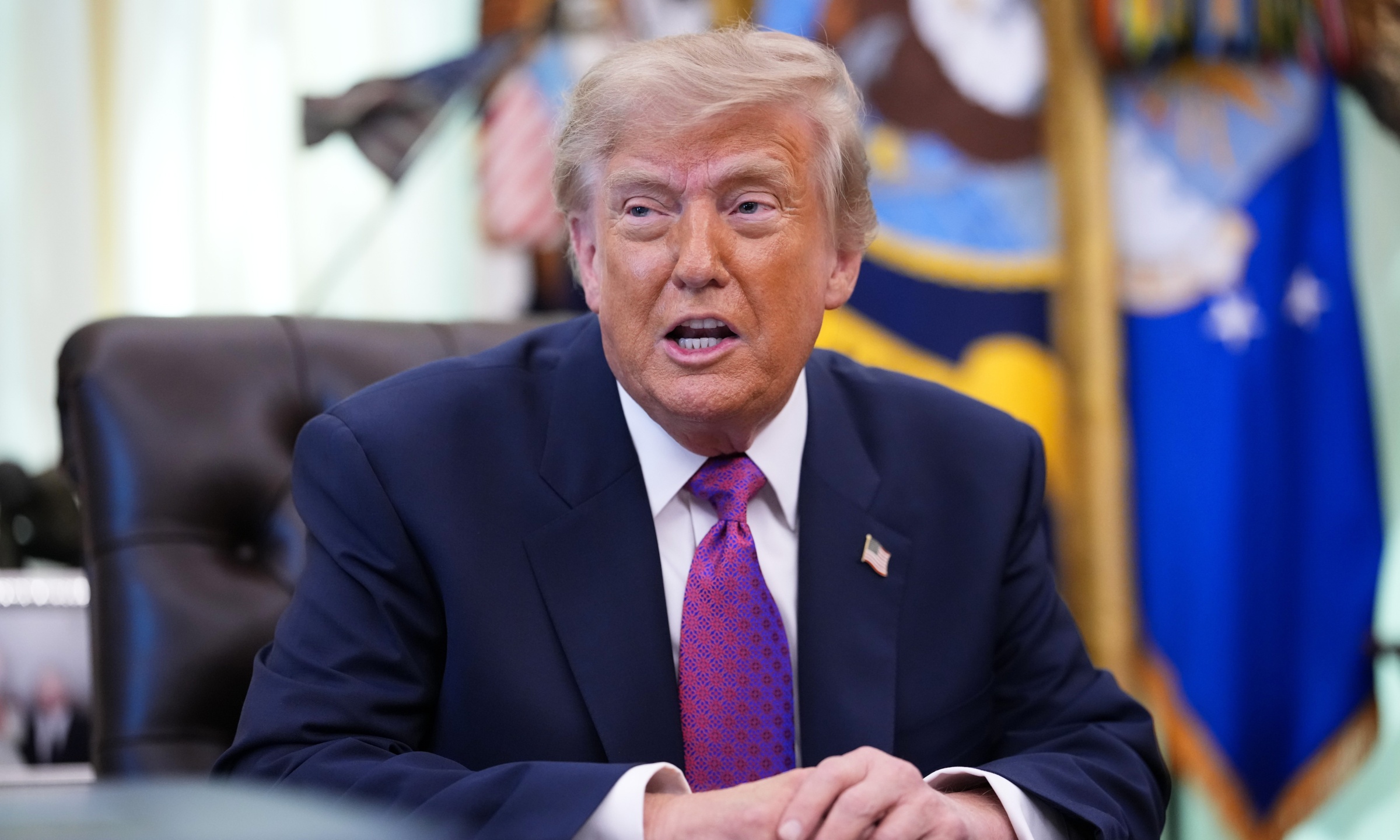
When Donald Trump flashed a new tweet on Truth Social, the feed erupted in a flurry of emojis, hashtags, and memes that seemed to echo through every corner of the entertainment world. The former president urged Congress to give a fresh lift to the film and television industry, calling the 20‑percent tax incentive “the next big win.” Within minutes, Hollywood influencers, studio execs, and casual fans alike chimed in, arguing whether the proposal could revive stalled productions or simply add another layer of bureaucracy.
The shockwave wasn't limited to the silver screen. The same post, coinciding with a sudden nationwide ground stop of all domestic flights, sent airline passengers into a frenzy of speculation. As planes waited on tarmacs, people on social media speculated whether the political climate, highlighted by Trump’s plea, was a factor in the pause. Even amidst the chaos of empty runways, the film‑industry narrative dominated the conversation, proving that Hollywood remains a pulse‑point for pop culture even when skies are clear.
The 20‑percent incentive, first drafted in early 2024, was designed to give filmmakers a direct financial boost. The plan would allow studios and independent producers to reclaim a fifth of the money spent on eligible production costs, thereby reducing the overall financial burden of creating new content. Broad bipartisan support emerged when the proposal entered committee discussions, with lawmakers from both parties citing the potential to keep American stories on screen and to keep crews—actors, camera operators, set designers—working within the U.S. borders.
Background & Context
The film‑tax incentive conversation has been on the docket for several years, but this year’s iteration stands out for its scope and timing. After the pandemic disrupted the industry’s pipeline, studios found themselves scrambling to secure projects that could both compete internationally and sustain local employment. In that climate, a 20‑percent credit struck a chord; it promised to make U.S. locations more attractive compared to overseas sites where production costs can be significantly lower.
Bipartisan lawmakers highlighted the potential to create jobs and stimulate local economies. Representatives from states with growing film ecosystems—Georgia, Louisiana, and New Mexico—touted the measure as a way to keep the momentum from recent tax‑break successes. Meanwhile, critics argued that the policy could double‑dip public funds or undermine existing state‑level incentives that have been tailored to regional needs.
Trump’s intervention added a new dimension to the debate. In his 2023 press briefings, he had already positioned himself as a champion for the creative arts, citing the need for more opportunities for American actors and writers. By framing the incentive as a “great win,” he leveraged his brand to sway undecided legislators, while simultaneously rallying his base to push for swift action before the lame‑duck session concluded.
What People Are Saying
Social media users split into two camps, echoing arguments that had played out in congressional hearings. On one side, enthusiastic fans celebrated the potential for new shows and movies to emerge from U.S. sets. Influencers in the industry shared stories of canceled productions that could be revived if the incentive materialized. Many argued that the financial cushion could be the difference between a project staying local versus being relocated abroad.
Conversely, skeptics warned that the policy might not be the panacea some hoped for. Some lawmakers and industry analysts pointed out that a tax credit alone does not guarantee that a studio will choose to shoot domestically; factors such as tax rates, infrastructure, and local workforce capabilities still play a crucial role. In a handful of cases, studio executives cautioned that they might still lean toward overseas locations if they offer lower total production costs, even with a 20‑percent credit.
Notably, the conversation didn’t stop at economics. Some participants focused on creative control, arguing that a robust domestic industry allows for richer storytelling that resonates with American audiences. Others highlighted the environmental impact, noting that reducing travel for productions could lower carbon footprints—a point that has become increasingly important to a generation of eco‑conscious consumers.
The nationwide flight ground stop—though unrelated to the tax incentive—also added an unplanned layer of commentary. Many users drew parallels between the uncertainty in air travel and the unpredictable nature of the legislative process. As planes waited at gates, commenters joked that if the film incentive didn’t take flight, at least the aviation industry could still rely on “air‑brakes” to keep everything grounded.
What Happens Next
The legislative calendar is now the focal point for all parties involved. The proposal has cleared the House committee that oversees cultural affairs, but it must now move through the Senate and be reconciled with a House version before it can go to the President’s desk—or in this case, to the next Congress. The current lame‑duck session, which is already a time of reduced activity, presents both a challenge and a unique opportunity for swift passage.
Industry lobbyists have convened in Washington, D.C., to push for expedited consideration. They are preparing to meet with key senators who have shown open-mindedness toward film‑related economic measures. Meanwhile, state officials are preparing to align local incentives with the federal proposal to present a unified front that could sway undecided legislators.
On the political front, Trump’s own campaign is likely to keep the spotlight on the issue. While he has expressed no direct involvement beyond his social‑media advocacy, his endorsement carries weight with the Republican base, and he is expected to leverage his platform to keep the incentive on the agenda. Democratic lawmakers, meanwhile, are assessing whether they can incorporate enough protective measures—such as caps on the credit or stipulations about local hiring—to address concerns from their constituents.
If the bill survives the current session, it would set a new benchmark for federal support of the U.S. entertainment industry. Even if it stalls, the conversation has already shifted public expectations and might encourage other policy proposals that address the evolving dynamics of production economics, talent retention, and global competition.
The final verdict will be decided in a few weeks, but the narrative is already in motion. For now, the film‑tax incentive remains a symbol of ambition—a promise that Hollywood could receive a fresh wave of funding, much like a runway ready to launch new stories. As passengers sat idle in airports and actors sat at desks, the industry held its breath, hoping for a new flight path that would bring fresh projects to the big screen.
The Bottom Line
At its core, the 20‑percent tax credit is more than a fiscal measure; it’s a strategic signal that the U.S. film industry is still striving to reclaim its creative and economic dominance. Trump’s endorsement, couched in the rhetoric of a "big win," underscores a broader narrative that Hollywood needs a financial lifeline to counter global competition and pandemic‑induced labor shortages. However, enthusiasm must be tempered with prudence. A generous credit without clear caps or robust oversight risks becoming a fiscal drain rather than a productivity driver. Moreover, the ground‑stop backdrop reminds us that industry resilience is not merely about monetary incentives but also about reliable infrastructure and regulatory certainty. The path forward should blend the bold promise of the credit with stringent safeguards: cap limits, mandatory local hiring thresholds, and transparent reporting mechanisms. Only then can the incentive serve its intended purpose—stimulating job growth, preserving American storytelling, and maintaining the country’s cultural export power—without turning into an unmanageable bureaucratic burden. The stakes are high, and the world is watching: will the film industry take the lift, or will the incentive land on runway with turbulence?
Reference:
- Official post on the person's verified social media account
Read more celebrity news at MyWorldPulse.