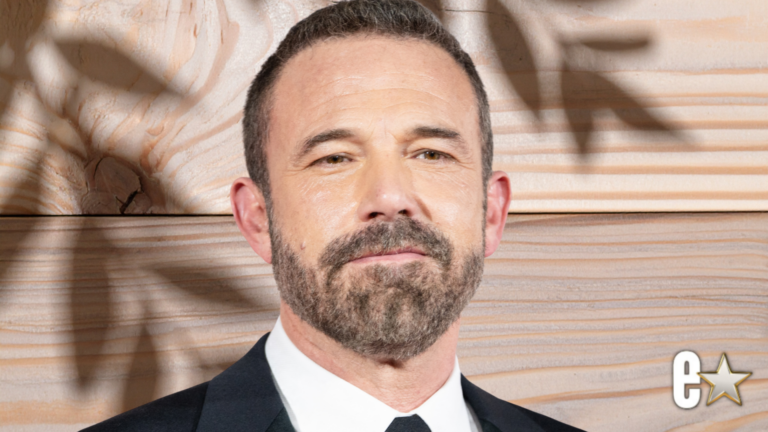
Johnny Depp’s recent interview unveiled a turning point that reshaped his trajectory: the instant he accepted the role of a cursed pirate, a veil lifted over his career, catapulting him into international stardom. In a candid moment, the actor reflected on how that single decision altered his path forever, a revelation that echoes far beyond the silver screen.
The revelation came during a private sit‑down with a longtime interviewer, where Depp recalled the whirlwind of the first day of shooting Pirates of the Caribbean: The Curse of the Black Pearl in 2003. He spoke of a sudden clarity, of the weight of a new persona, and of the sudden surge in offers that followed. “There was a great veil lifted,” he said, his voice steady, underscoring how the film’s success—grossing over $1.3 billion worldwide—transformed his image from a niche artist to a global icon. The scene that altered his life, he added, was the moment he stepped onto the deck of the Black Pearl for the first time, feeling the pirate’s swagger and the audience’s roar. In the same interview, Depp also touched on his recent family life, noting that he and his ex‑partner, French singer Vanessa Paradis, share two daughters, Lily‑Rose and Jack, now 18 and 15 years old respectively. The mention of his daughters framed his reflection with a sense of personal continuity that resonated with many.
The weight of the moment lies not just in the box‑office numbers or the cult status of the franchise. Depp’s career had been a mosaic of indie successes and mainstream experiments. From Edward Scissorhands in 1990 to the surreal Sleepy Hollow in 1999, he had carved a reputation as an actor willing to dive into the eccentric. Yet it was the pirate’s swagger that defined him in the public eye, a shift that changed the language of his career from “actor” to “icon.” It also marked a pivotal change in the kinds of roles he was offered, opening doors to larger, higher‑budget projects, and leading to a series of collaborations with director Gore Verbinski and composer Klaus Badelt that would dominate the mid‑2000s. The pirate role became a cultural touchstone, and Depp’s association with it remains an integral part of his legacy.
Background & Context
Johnny Depp’s journey to piracy was a series of deliberate choices and serendipitous opportunities. Born in 1963, he entered the entertainment world with a distinctive voice that shone in the late 1980s with the band The Hollywood Vampires. His cinematic debut, however, was not a lead role; it was the 1986 film A Nightmare on Elm Street where he appeared as the “Dream‑Man” in a supporting capacity. By the early 1990s, Depp was already a recognizable face, thanks to films like Edward Scissorhands and The Shawshank Redemption. These roles, while critically acclaimed, placed him in a niche category of “alternative Hollywood” performers. The industry’s perception of Depp as a quirky, artistic actor was both a blessing and a constraint; it opened certain doors but closed others.
The offer to play Captain Jack Sparrow arrived in 2002, just a year after the release of The Lord of the Rings trilogy’s final installment. Producer Jerry Bruckheimer had been scouting for a charismatic lead to anchor a new fantasy adventure. Depp’s eccentric background made him an intriguing candidate, yet he was not the conventional Hollywood leading man. In an interview years later, Depp recalled that the role seemed like a leap into the unknown, a chance to “be something different.” The set itself became an unconventional workshop: a blend of old maritime lore, modern action sequences, and a heavy dose of comedic timing. The production's success was a synergy of Depp’s improvisational skills, Verbinski’s direction, and a soundtrack that blended orchestral grandeur with Caribbean flair. Within months, the film’s trailer had become a cultural phenomenon, and the box office numbers reflected that; by 2004, The Curse of the Black Pearl had already broken the $500 million mark in the United States alone. The ripple effect on Depp’s career was immediate: he was no longer a “character actor” but a bankable star.
Behind the scenes, Depp’s partnership with the film’s production company was marked by a collaborative creative process. He contributed to the development of the Captain Jack Sparrow character, blending elements of 18th-century swashbuckling archetypes with a contemporary, sardonic wit. This collaboration helped to cement the film’s uniqueness and distinguish it from other adventure franchises. As a result, Depp’s personal brand expanded beyond his earlier “alternative” reputation into a more mainstream, yet still distinct, image. The subsequent installments of the Pirates of the Caribbean franchise continued to build on this foundation, with each film solidifying Depp’s status as a versatile, charismatic performer who could carry a blockbuster. The moment of the first shoot, that instant of “veil lifted,” was thus both a personal triumph and an industry milestone.
What People Are Saying
The revelation that Depp’s career pivot hinged on a single role has struck a chord with fans and critics alike. Social media buzzed with a wave of nostalgia, as followers posted clips of his iconic laugh and signature swagger from the first Pirates film. Longtime admirers who have followed Depp from Edgar to the high seas expressed a renewed appreciation for his artistry, emphasizing how the pirate role showcased his ability to blend humor with bravado. Some commentators noted that Depp’s performance broke traditional mold, introducing a more “human” element to the genre. Meanwhile, other industry insiders acknowledged that the role gave Depp a platform to explore more varied characters, including the enigmatic protagonist in Sweeney Todd and the complex, haunting figure in The Imaginarium of Doctor Parnassus.
Critics of Depp’s career trajectory have been divided. Some argue that the Captain Jack Sparrow persona has become too synonymous with his identity, limiting his opportunities to diversify. Others counter that Depp has successfully leveraged this role to secure a range of projects that test his versatility, such as his dramatic turn in The Bounty (2014) or his comedic collaboration with The Grand Budapest Hotel (2014). Regardless of the debate, the consensus remains that the pirate role was a watershed moment that opened doors otherwise inaccessible. In industry circles, the conversation has shifted toward how Depp’s experience illustrates the power of a single, well-executed performance to reshape a career, reinforcing the importance of strategic role selection for actors.
Public reaction has also highlighted the emotional resonance of Depp’s statement. Fans expressed admiration for his candidness about a career-defining moment, with many appreciating his willingness to share a personal milestone that had been largely kept private. The mention of his daughters, Lily‑Rose and Jack, served as a reminder of the human behind the star, prompting heartfelt comments about family and legacy. Meanwhile, social media campaigns emerged that honored the film’s 20th anniversary, drawing connections between Depp’s early career struggles and his eventual rise to global stardom. The narrative of a veil being lifted resonated with audiences, echoing themes of perseverance, reinvention, and the transformative power of art.
The broader conversation also touched on the role of mentorship and collaboration. In several interviews, Depp has cited the influence of mentors such as director Tim Burton and co‑star Robin Williams, whose guidance helped him navigate the complexities of Hollywood’s expectations. He acknowledged that the pirate role was, in part, a result of his ability to negotiate the fine line between artistic integrity and commercial viability. Thus, his reflection has served not only as a personal anecdote but also as a case study for aspiring actors seeking to balance creative ambition with industry demands.
What Happens Next
As the franchise’s future hangs in a delicate balance, Depp’s next steps seem poised to blend nostalgia with innovation. Rumors circulate about a possible spin‑off centered on a new generation of pirates, perhaps featuring his daughters Lily‑Rose and Jack in supporting roles, hinting at a family legacy within the cinematic universe. In 2024, Depp signed a multi‑project deal with a major streaming platform, which includes a biographical drama about his life, the first installment of which is slated for release next year. This project is expected to delve deeper into the early years that led to his pivotal moment, exploring the creative forces that helped him break the veil. Additionally, he has been attached to an upcoming period piece set in 17th‑century Europe, a role that would allow him to return to his roots as an actor drawn to complex, historical characters.
Beyond the screen, Depp’s philanthropic focus has intensified. He recently opened a foundation dedicated to supporting under‑funded theater programs in Paris, reflecting his commitment to nurturing the arts at a grassroots level. His involvement with the foundation began after a visit to a community theater where his daughter Lily‑Rose performed, sparking a shared vision for broader access to artistic education. The foundation’s first grant program aims to provide resources for 25 schools across the Île‑de‑France region, ensuring that talent like Lily‑Rose’s can thrive. This initiative is expected to have a ripple effect, reinforcing Depp’s public image as an advocate for arts education and community empowerment.
In the realm of public appearances, Depp has confirmed a brief, selective tour of film festivals across the United States and Europe, focusing on retrospective screenings of the Pirates franchise. These events will include Q&A sessions where he will share insights into the filmmaking process and his personal journey. The first event, slated for Cannes in May, will feature a panel discussion with director Gore Verbinski and composer Klaus Badelt, allowing fans to explore the collaborative dynamics that birthed Captain Jack Sparrow. Depp has also expressed interest in returning to stage work, citing a desire to reconnect with live audiences—a pursuit that would demonstrate his range beyond film.
As his career moves forward, the industry watches with keen interest. Whether Depp will embrace new roles, continue to leverage his iconic pirate persona, or pivot toward more grounded, dramatic work remains to be seen. One thing is clear: the moment that lifted the veil—captured in his 2003 debut as a pirate—remains the cornerstone of his legacy, proof of the power of a single decision to redefine a career.
In a world where actors often chase fleeting trends, Depp’s story serves as a reminder that true transformation can come from embracing vulnerability, taking risks, and letting the world see the authentic self beneath the costumes. The veil may have lifted, but the journey ahead promises new horizons, each one framed by the very same daring spirit that first sailed the Black Pearl.
The Bottom Line
At MyWorldPulse, we view Johnny Depp’s 2003 decision to become Captain Jack Sparrow as a masterclass in career reinvention. It reminds industry insiders that the right role, paired with genuine charisma, can redefine an artist’s trajectory. Depp’s ability to transform a niche indie star into a global icon is not just a personal triumph; it’s a lesson for actors and studios alike: authenticity and risk, when coupled with a compelling story, pay off in both dollars and cultural influence. The enduring popularity of Pirates of the Caribbean underscores the longevity that a single, well‑crafted character can bring. It also signals that modern audiences crave multifaceted personas that balance humor and depth—traits that Depp delivered flawlessly. As Depp ventures into new projects, including family‑centric stories and philanthropic work, he exemplifies how an actor can evolve while honoring a legacy that has reshaped Hollywood’s blockbuster paradigm. Our view is clear: his journey is a testament to the transformative power of strategic role selection, creative collaboration, and unwavering authenticity.
Reference:
- Official post on Johnny Depp's verified Instagram
- Official press release from Paramount Pictures on Pirates 20th Anniversary
Read more celebrity news at MyWorldPulse.